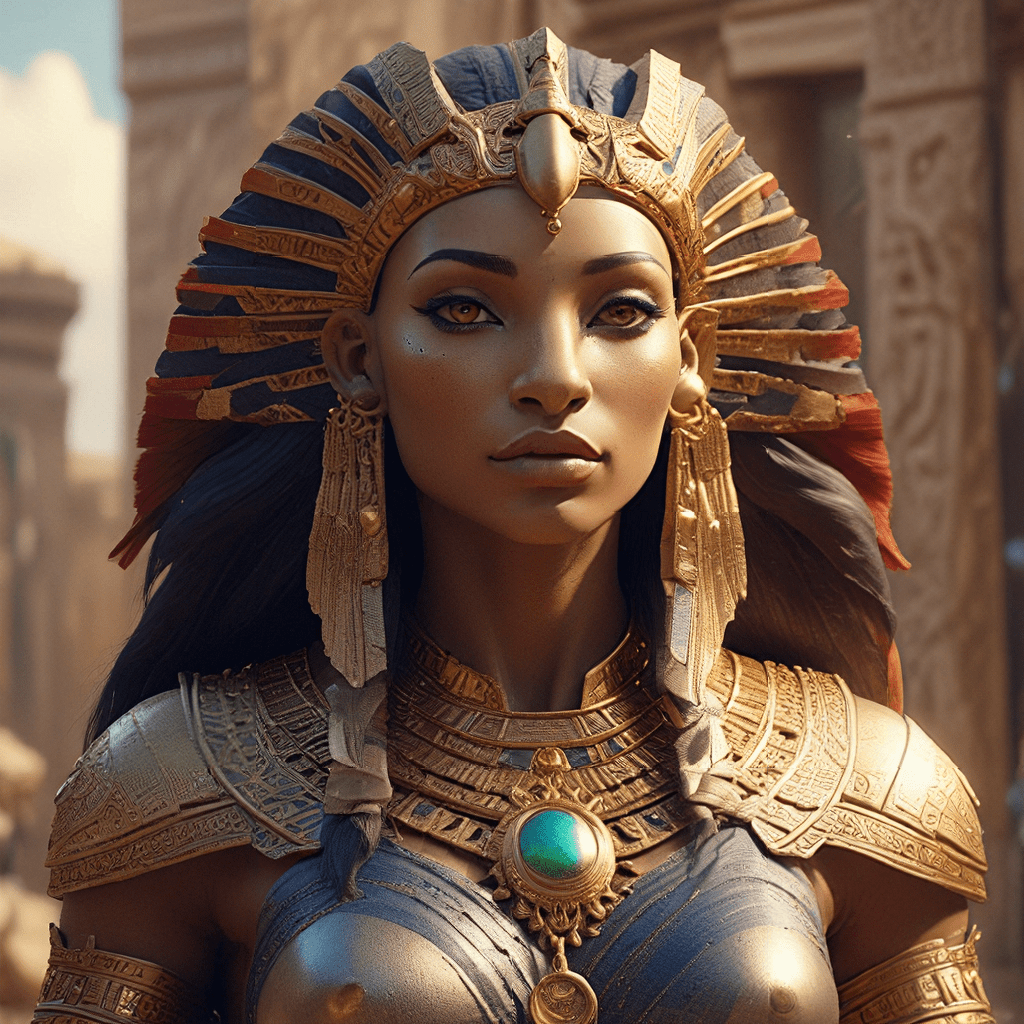
The Divine Warrior: Celebrating the Divine Power of Sekhmet in the Festival
1. Introduction: The Fierce Lioness Goddess
In the heart of ancient Egypt, a powerful and fearsome goddess reigned supreme: Sekhmet. Often depicted as a lioness, Sekhmet embodies a fierce and untamed spirit, embodying the raw power of the natural world. Her origins are intertwined with the sun god Ra, who birthed her as a manifestation of his fiery rage. As a warrior goddess, Sekhmet wields the power of destruction and vengeance, protecting the divine order from chaos and rebellion. Her presence inspires awe, respect, and fear, reminding mortals of the unpredictable nature of the divine.
Beyond her warrior aspect, Sekhmet is also revered as a goddess of healing, offering protection from disease and ensuring the well-being of her followers. Her ability to both destroy and heal reflects the cyclical nature of life, death, and rebirth in ancient Egyptian beliefs. This duality, often embodied in the lioness’s powerful yet nurturing nature, makes Sekhmet a complex and captivating figure.
2. The Festival of Sekhmet: A Time of Renewal and Replenishment
The ancient Egyptians celebrated Sekhmet with a grand festival dedicated to her power and majesty. This annual event, a time for spiritual renewal and replenishment, coincided with the flooding of the Nile River, a crucial event for the agricultural prosperity of the Nile Valley. The festival marked a period of transition, a time to honor the life-giving power of the Nile while simultaneously acknowledging the destructive forces of nature.
The festival of Sekhmet served as a reminder of the delicate balance between creation and destruction, highlighting the interconnectedness of life and death. It was a time for the people to seek the goddess’s protection from disease and ill fortune, appealing to her power to restore balance and ensure a bountiful harvest. By honoring Sekhmet, the Egyptians sought to appease her fiery wrath and gain her favor for the coming year.
3. The Image of Sekhmet: A Formidable Deity
The image of Sekhmet is as striking as it is awe-inspiring. She is often depicted as a lioness, her powerful form and fierce gaze radiating strength and dominance. Her mane, a symbol of both ferocity and regal beauty, evokes a sense of untamed power. In some depictions, Sekhmet is seen holding various attributes, such as a sun disc, a uraeus cobra, or a scepter, further emphasizing her divine authority and might.
The sheer power of Sekhmet’s image served as a reminder to mortals of the divine presence, inspiring both awe and fear. Her fierce gaze, often depicted with a menacing expression, communicated the potential for both destruction and protection. This powerful imagery served to reinforce the importance of maintaining order and harmony in the world, lest the wrath of the goddess be unleashed.
4. Rituals and Activities of the Festival
The festival of Sekhmet was a vibrant celebration, filled with elaborate rituals and ceremonies designed to honor the goddess and appease her wrath. A central element of the festival was the procession of Sekhmet’s sacred statue, carried through the streets on a grand palanquin, adorned with precious jewels and elaborate decorations. The procession drew large crowds, bringing together people from all walks of life to witness the goddess’s power and majesty.
Offerings and sacrifices played an important role in the festival, showcasing the devotion of the people to Sekhmet. Offerings of food, drink, incense, and precious metals were presented to the goddess in hopes of gaining her favor. These offerings were often accompanied by intricate dances and chants, intended to appease the goddess and secure her blessing.
5. The Significance of Wine and Blood: Sekhmet’s Thirst
An interesting aspect of the festival involved the offering of wine, a powerful symbol with deep connections to the goddess Sekhmet. In ancient Egyptian belief, wine was often associated with the blood of enemies, signifying the intoxicating power of victory and the fierceness of battle. Therefore, the offering of wine to Sekhmet symbolized the appeasement of her thirst for blood, a thirst often attributed to her devastating wrath.
The ritualistic offering of wine, a potent and intoxicating substance, served to calm Sekhmet’s wrath, reminding her of the victory she had achieved and helping to prevent further destruction. The ritual of offering wine to Sekhmet, a symbolic act of sacrifice and appeasement, underscored the importance of maintaining balance in the world, preventing the goddess’s fury from unleashing devastation upon the land.
6. The Healing Aspect of Sekhmet: Beyond War and Destruction
Beyond her fierce warrior persona, Sekhmet possesses a dual nature, embodying both the destructive and the healing power of the divine. She is also revered as a protector of health, a goddess who can ward off disease and promote well-being. In this aspect, she represents the restorative power of nature, symbolizing the ability to heal and regenerate even after destruction.
The festival of Sekhmet served as a time for people to seek healing and protection from the goddess, appealing to her benevolent side. This duality, a common theme in ancient Egyptian mythology, highlights the interconnectedness of life and death, destruction and renewal. The goddess Sekhmet, in her multifaceted nature, represents the cyclical nature of existence, encompassing the destructive power necessary for transformation and the healing power needed for renewal.
7. The Festival’s Impact on Egyptian Society
The festival of Sekhmet played a significant role in shaping ancient Egyptian society, reinforcing social order and hierarchy while promoting a sense of shared community. By honoring the divine power of Sekhmet, the Egyptians sought to ensure divine favor and protection, safeguarding their land from external threats and internal strife. The festival served as a reminder of the importance of maintaining balance and harmony, both within the community and in the world at large.
The festival of Sekhmet also served to reinforce the importance of societal order and hierarchy. The presence of the goddess, embodied in her powerful image and the elaborate rituals, symbolized the authority of the pharaoh and the importance of maintaining the divine order. This sense of divine legitimacy helped to legitimize the pharaoh’s rule and maintain social stability within the kingdom.
8. Modern Interpretations of Sekhmet and the Festival
Despite the passage of time, the symbolism of Sekhmet remains relevant in modern times. Her image continues to inspire artistic expression and cultural appreciation, captivating audiences with her raw power and complex duality. The goddess Sekhmet and her festival offer a window into the rich cultural tapestry of ancient Egypt, revealing a complex and multifaceted understanding of the divine, the natural world, and the human condition.
From the fierce warrior protecting the divine order to the benevolent healer offering protection and restoration, Sekhmet reminds us of the power of overcoming adversity and the importance of embracing the duality of existence. Her story continues to resonate with modern audiences, reminding us of the enduring power of ancient myths and the enduring relevance of the divine feminine.