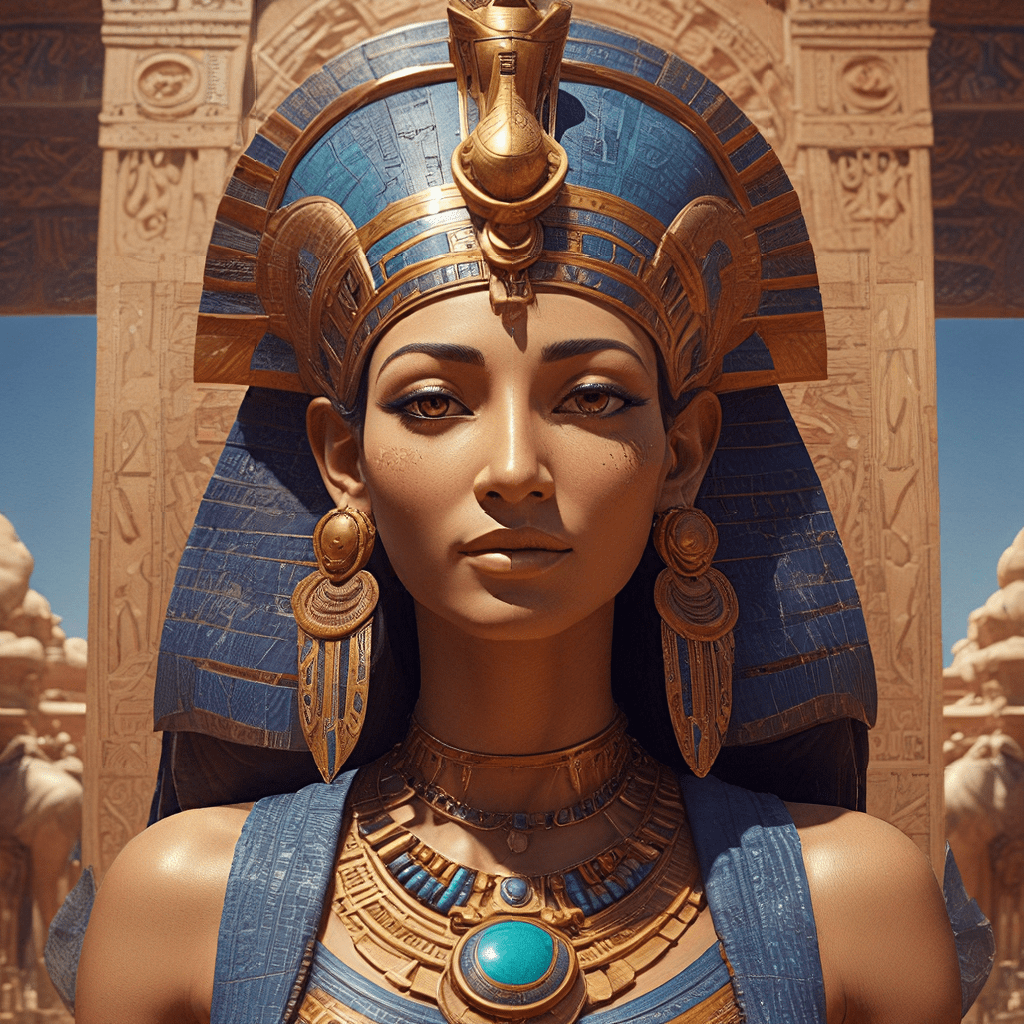
The Divine Mother: Celebrating the Divine Power of Hathor in the Festival
Hathor, the beloved goddess of ancient Egypt, embodies a tapestry of divine feminine power, bringing together love, beauty, joy, music, motherhood, and the celestial expanse of the sky. She is a multifaceted goddess, worshipped in various forms – a celestial cow, a fierce warrior, a nurturing mother, and a provider of happiness. Her presence permeates Egyptian mythology, shaping the beliefs and practices of a civilization captivated by her divine radiance.
1. Hathor: The Many Faces of the Divine Cow
Hathor’s name itself, meaning “House of Horus,” reflects her deep connection to the god Horus, the embodiment of kingship and divine power. She was often depicted as a cow, a symbol of motherhood and nourishment, reflecting her nurturing aspects. In this form, she was known as “Hathor-the-Cow,” representing the life-giving source of milk and sustenance. Her connection to the sky is evident in her representations as a woman with cow horns, adorned with a sun disk, symbolizing her role as the celestial cow, bringing forth the sun each morning.
Hathor’s association with beauty and joy is evident in her role as the goddess of music, dance, and artistic expression. She is often depicted playing the sistrum, a sacred musical instrument used in rituals and ceremonies, believed to possess magical powers. Hathor’s love for music and dance is seen as a reflection of her ability to bring joy and harmony to the world.
2. The Origins of Hathor: Tracing Her Roots
In the ancient Egyptian creation myths, Hathor played a crucial role in shaping the world. She was often associated with the life-giving power of the Nile River, a vital source of life and fertility for the ancient Egyptians. Her connection to the Nile reflected the cyclical nature of creation and regeneration, symbolizing the continuous cycle of life, death, and rebirth that shaped Egyptian beliefs.
Hathor’s power and influence were so profound that she was often credited with creating the heavens and earth, bringing forth the sun, and shaping the landscapes of Egypt. Her role in the creation myth highlights her importance as a divine force, responsible for the very essence of existence.
3. Hathor and the Divine Feminine: Power and Protection
Hathor’s connection to the divine feminine is deeply rooted in her association with motherhood, protection, and the cycles of life. Her role as a mother goddess resonated deeply with the ancient Egyptians, reflecting the importance of family and the nurturing power of women.
As a protector of women and children, Hathor was believed to guide and safeguard them throughout their lives. She was invoked for protection during childbirth, ensuring the safe passage of both mother and child. Her presence provided solace and comfort, reminding the people of the enduring power of the divine feminine.
4. The Festivals of Hathor: A Celebration of Life and Joy
Throughout ancient Egypt, numerous festivals were dedicated to Hathor, each reflecting different aspects of her divine power. The Sed Festival, a grand celebration of the pharaoh’s renewal and rejuvenation, was closely linked to Hathor. This festival mirrored the cyclical nature of life, reflecting the enduring power of the divine feminine in ensuring the continuity of life and the renewal of the cosmos.
Another significant festival dedicated to Hathor was the Heb Sed Festival, a celebration of the pharaoh’s 30th year of rule. The Heb Sed was a time for renewal, symbolizing the pharaoh’s continued reign and the divine favor he received from Hathor. The festivals celebrated life, fertility, and the renewal of the cosmos, reflecting the profound influence of Hathor on Egyptian culture and beliefs.
5. The Rituals and Practices: Honoring the Divine
Hathor’s festivals were marked by elaborate rituals and practices, designed to honor her divine power and seek her blessings. Music, dance, and offerings were central to these ceremonies, reflecting the joy and celebration associated with the goddess.
The sistrum, a sacred instrument with jingling plates, was often used in Hathor’s rituals, believed to possess magical powers and connect worshippers to the divine. The rhythmic shaking of the sistrum evoked a sense of joy and excitement, reflecting the vibrant energy associated with the goddess. Dancing, another essential element of Hathor’s ceremonies, was a way to express devotion and connect with the divine feminine.
Offerings of food, drink, and precious objects were presented to Hathor, symbolizing the abundance and prosperity she bestowed upon her followers. These acts of worship were designed to appease the goddess and seek her favor, demonstrating the deep reverence and respect held for Hathor throughout ancient Egypt.
6. The Symbolism of the Sacred Cow: A Representation of Divine Nourishment
The cow, a sacred animal in ancient Egypt, held a profound connection to Hathor, symbolizing the life-giving power of milk and nourishment. The cow’s association with motherhood and fertility mirrored Hathor’s role as a nurturing goddess, reflecting the divine abundance she brought to the world.
The cow’s milk was considered sacred, representing the life-giving power of nature and the essential sustenance it provided. This association linked Hathor to the earth’s bounty and the ongoing cycle of life and regeneration, solidifying her role as a source of sustenance and prosperity.
7. Hathor and the Afterlife: Guiding Souls to the Beyond
Hathor’s influence extended beyond the realm of the living, reaching into the afterlife. She was believed to play a role in guiding souls to the underworld, ensuring their safe passage into the next world. Her presence provided comfort and protection to the departed, offering them solace and hope in the face of death.
As a protector of the dead, Hathor was often invoked to ward off evil spirits and ensure the deceased’s journey to the afterlife. Her role in the afterlife reflected her enduring power and her ability to touch all aspects of human experience, from life to death.
Hathor’s legacy continues to resonate throughout history, reflecting the enduring power of the divine feminine and the profound influence of ancient Egyptian beliefs. Her multifaceted nature, embodying love, beauty, joy, music, motherhood, and the celestial expanse, continues to inspire and captivate generations, reminding us of the enduring power of the divine feminine in shaping our world and our lives.