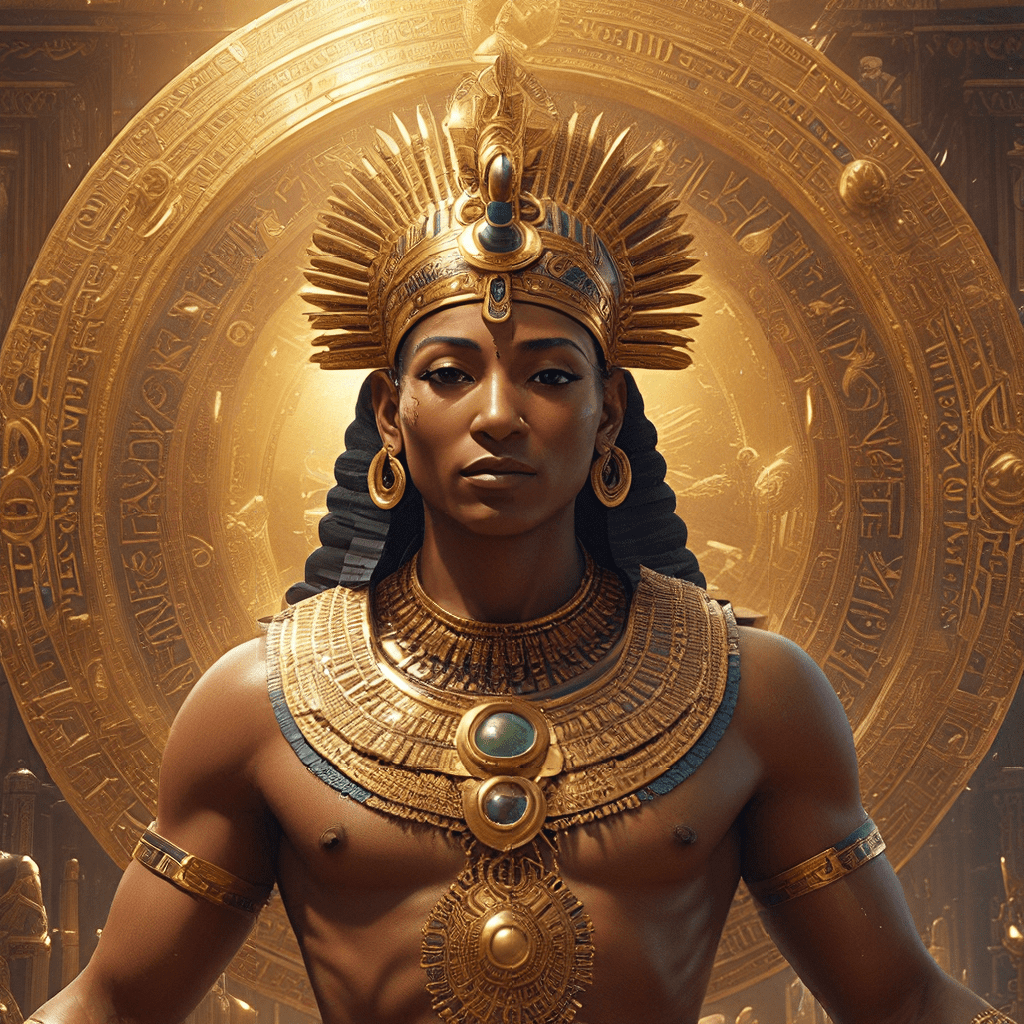
The Divine Creator: Celebrating the Divine Power of Ra in the Festival
In ancient Egypt, the sun god Ra held a position of paramount importance. He was revered as the creator of all life, the source of light and warmth, and the very essence of the cosmos. Ra’s presence was felt throughout Egyptian society, influencing their beliefs, rituals, and even their daily lives. His power was celebrated annually in a grand festival dedicated to his divine might.
1. The Sun God Ra: The Source of Life and Light
Ra, the sun god, was considered the ultimate creator deity in Egyptian mythology. He was believed to have emerged from the primordial waters of Nun, bringing order and light to the chaotic void. As the sun god, Ra was intrinsically linked to the life-giving energy of the sun. He was seen as the source of all creation, providing warmth, sustenance, and the very breath of life to all beings. His daily journey across the sky mirrored the cycle of life, death, and rebirth. This profound connection to the sun cemented Ra’s place at the heart of Egyptian cosmology and religious beliefs.
The ancient Egyptians believed that Ra’s journey across the sky was a reflection of his power and influence. Each morning, he rose in the east, bringing light and warmth to the land. As the sun reached its zenith, Ra was at his most powerful, radiating his life-giving energy. As the sun began its descent in the west, Ra embarked on a perilous journey through the underworld, known as the Duat. He battled against the forces of darkness and chaos, ensuring his triumph over evil and the return of light at dawn.
2. The Festival of Ra: Celebrating the Divine Power
The Festival of Ra, also known as the “Feast of the Great Ennead,” was a grand celebration held annually in honor of the sun god. It was a time of rejoicing and festivity, honoring Ra’s divine power and his role as the creator and sustainer of life. The festival was meticulously planned, its timing carefully aligned with the solar cycle, ensuring it coincided with the summer solstice.
During the festival, the entire nation participated in a flurry of activity and rituals. Temples were adorned with vibrant decorations, priests performed elaborate ceremonies, and the people offered gifts and prayers to their divine creator. The atmosphere was charged with a sense of awe and reverence as the Egyptians celebrated their connection to Ra and sought his blessings for a prosperous future.
3. The Journey of Ra Through the Duat: A Cosmic Drama
Every night, as the sun set, Ra embarked on a perilous journey through the Duat, the Egyptian underworld. This nightly journey was a symbolic representation of the cycle of life, death, and rebirth. As Ra descended into the darkness, he encountered monstrous creatures and powerful demons who sought to thwart his progress. He bravely battled these forces of chaos, ultimately triumphing over darkness and ensuring the return of the sun at dawn.
Ra’s journey through the Duat was a cosmic drama that held profound meaning for the ancient Egyptians. It symbolized the struggle between good and evil, the triumph of light over darkness, and the cyclical nature of life. The Egyptians believed that by participating in the Festival of Ra and honoring the sun god’s journey, they could secure their own place in the afterlife and achieve eternal life.
4. Rituals and Offerings: Honoring the Divine Creator
The Festival of Ra was filled with rituals designed to honor the sun god and seek his favor. These rituals included elaborate ceremonies, processions, and offerings presented to Ra. Priests played a pivotal role in these rituals, performing sacred hymns and incantations intended to appease Ra and ensure his continued benevolence.
Among the most important aspects of the festival were the offerings presented to Ra. The Egyptians believed that by offering gifts to their deities, they could gain their favor and ensure their well-being. These offerings included food, incense, precious metals and stones, and even human sacrifices in some cases. The specific offerings varied depending on the location and the particular aspect of Ra being honored.
5. The Role of the Pharaoh: The Divine Representative
In ancient Egypt, the Pharaoh was not just a king but also the earthly embodiment of Ra. He was seen as Ra’s chosen representative on earth, responsible for maintaining cosmic order and ensuring the well-being of the nation. The Pharaoh played a central role in the Festival of Ra, actively participating in the rituals and ceremonies, and acting as a mediator between the divine and the mortal realms.
The Pharaoh’s participation was crucial for the success of the festival and the well-being of the nation. His role as Ra’s representative reflected the divine connection between the king and the sun god. By upholding his responsibilities, the Pharaoh reinforced the link between the divine and the mortal realms, ensuring the continuity of life and the prosperity of the nation.
6. The Temple of Ra: A Place of Divine Presence
The temples dedicated to Ra were not merely places of worship but powerful symbols of his divine presence. These majestic structures were carefully planned and constructed, reflecting the grandeur and power of the sun god. The architecture and symbolism of the temples were designed to inspire awe and reverence, emphasizing Ra’s role as the creator and sustainer of life.
The temples were also the center of religious activity, hosting daily rituals and ceremonies dedicated to Ra. Priests performed elaborate rituals within the temple walls, offering prayers, incense, and other offerings to the sun god. These rituals sought to maintain Ra’s favor, ensure the well-being of the nation, and reinforce the connection between the divine and the mortal realms.