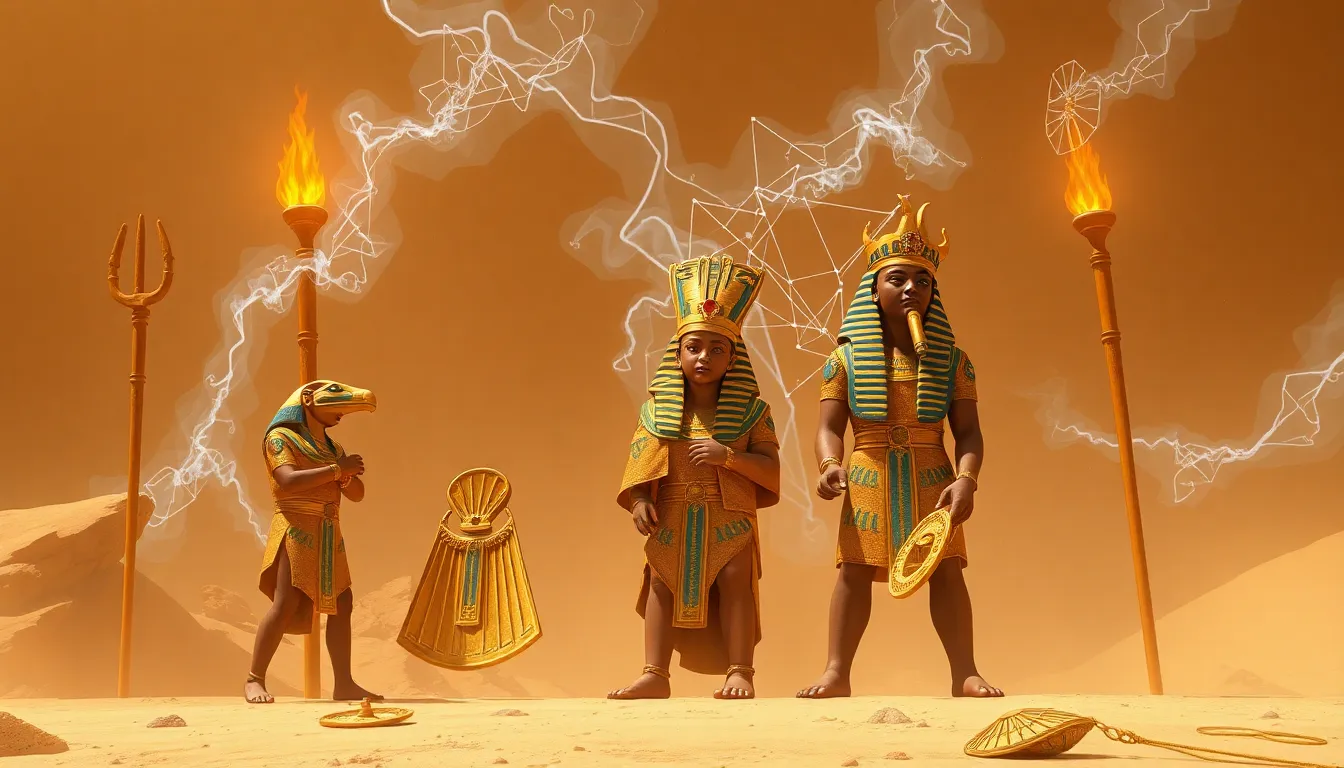
The Divine Connection: How Nomes Shaped Egyptian Beliefs
I. Introduction
Ancient Egyptian religion and spirituality were deeply intertwined with the culture, geography, and daily life of its people. The belief system was not monolithic but rather a mosaic of various local traditions and deities, shaped significantly by the geographical divisions known as nomes. Nomes were administrative and geographic regions that played a crucial role in the governance and religious practices of ancient Egypt.
This article aims to explore the intricate relationship between nomes and Egyptian beliefs, shedding light on how these divisions influenced the worship of deities, local rituals, and cultural practices throughout the civilization’s history.
II. The Structure of Nomes in Ancient Egypt
Nomes served as both geographic and administrative divisions across ancient Egypt, allowing for localized governance and cultural identity. These regions facilitated the organization of resources, population, and religious practices.
A. Geographic and Administrative Divisions of Egypt
Ancient Egypt was divided into Upper and Lower Egypt, each containing several nomes. Each nome was characterized by its unique geography, agriculture, and local governance.
B. Number and Names of the Nomes
There were traditionally 42 nomes in ancient Egypt, with the most renowned including:
- Heliopolis (Iunu)
- Thebes (Waset)
- Memphis (Ineb-Hedj)
- Hermopolis (Khemenu)
C. Role of the Nomarchs and Local Governance
Each nome was governed by a nomarch, who was responsible for local administration, tax collection, and maintaining order. The nomarchs played a pivotal role in the integration of religious and civic life, often acting as high priests of the local deities.
III. The Divine Pantheon and Local Deities
The pantheon of ancient Egyptian gods and goddesses was vast, with each nome often having its own specific deities that were revered by the local population.
A. Overview of Major Egyptian Gods and Goddesses
Some of the major deities included:
- Ra – the sun god
- Isis – goddess of magic and motherhood
- Osiris – god of the afterlife
- Horus – god of kingship and the sky
B. How Nomes Influenced the Worship of Local Deities
The names and characteristics of local deities were often tied to the geography and resources of the nomes. For example, nomes with lush agricultural land might worship deities associated with fertility and agriculture.
C. Examples of Specific Nomes and Their Associated Gods
Some notable examples include:
- In Heliopolis, the sun god Ra was primarily worshipped.
- In Thebes, Amun became the central deity, eventually merging with Ra to form Amun-Ra.
- In Hermopolis, Thoth, the god of wisdom and writing, was venerated.
IV. Rituals and Festivals Unique to Nomes
Each nome had its own set of rituals and festivals that reflected local customs and seasonal cycles, creating a rich tapestry of religious life across ancient Egypt.
A. Description of Religious Practices within Different Nomes
Religious practices varied widely between nomes, with some focusing on agricultural cycles while others emphasized the afterlife or cosmological events.
B. Significance of Local Rituals and Their Connection to Seasonal Cycles
Local rituals often coincided with seasonal changes, such as the flooding of the Nile, which was celebrated for its vital role in agriculture.
C. Major Festivals Celebrated in Various Nomes and Their Impact on Community Identity
Festivals, such as the Opet Festival in Thebes, were crucial for reinforcing community identity and devotion to local deities.
V. The Influence of Nomes on Funerary Practices
Funerary practices in ancient Egypt were deeply influenced by the local traditions associated with each nome, reflecting varying beliefs about the afterlife.
A. Regional Variations in Burial Customs and Beliefs about the Afterlife
Burial customs varied significantly from nome to nome, with different practices surrounding mummification, tomb construction, and offerings to the deceased.
B. Specific Nomes Known for Their Unique Funerary Traditions
For example, the nome of Abydos was known as a burial site for Osiris and was a significant pilgrimage destination for funerary practices.
C. The Role of Nomes in the Construction of Tombs and Monuments
Nomes often featured monumental architecture, including temples and tombs, which were designed to honor local deities and facilitate the afterlife journey.
VI. Nomes as Centers of Trade and Cultural Exchange
Nomes were not only religious centers but also hubs of trade and cultural exchange in ancient Egypt, facilitating economic activity and the spread of ideas.
A. Economic Significance of Nomes in Ancient Egypt
Each nome had its own resources, which contributed to the economy of ancient Egypt. Key agricultural products, crafts, and trade goods varied by region.
B. How Trade Influenced Religious Beliefs and Practices
The exchange of goods led to the mixing of religious ideas and practices, as merchants and travelers brought diverse beliefs into different nomes.
C. Cultural Exchange Between Nomes and Its Impact on Egyptian Spirituality
This cultural exchange enriched the spiritual landscape of ancient Egypt, as seen in the syncretism of deities and the blending of local customs.
VII. The Decline of Nomes and Their Lasting Legacy
As ancient Egypt evolved, the nome system began to decline, influenced by various historical factors.
A. Historical Factors Leading to the Decline of the Nome System
Factors such as the unification of Egypt under centralized rule and later foreign invasions contributed to the decline of the nome system.
B. Continuation of Local Beliefs and Practices in Modern Egypt
Despite the decline of nomes, many local beliefs and practices have persisted in modern Egypt, demonstrating the enduring influence of ancient traditions.
C. The Legacy of Nomes in Contemporary Understanding of Egyptian Religion
The study of nomes provides valuable insight into the regional diversity of ancient Egyptian religion and its lasting impact on contemporary spirituality.
VIII. Conclusion
In summary, nomes were fundamental to understanding the complex tapestry of ancient Egyptian beliefs, influencing everything from local governance to religious practices. The interplay between geography and spirituality in these regions illustrates the importance of local identity in shaping the broader religious landscape of ancient Egypt.
As we explore the intersection of geography and spirituality in ancient civilizations, it becomes clear that the legacy of nomes continues to inform our understanding of ancient Egyptian culture and religion.