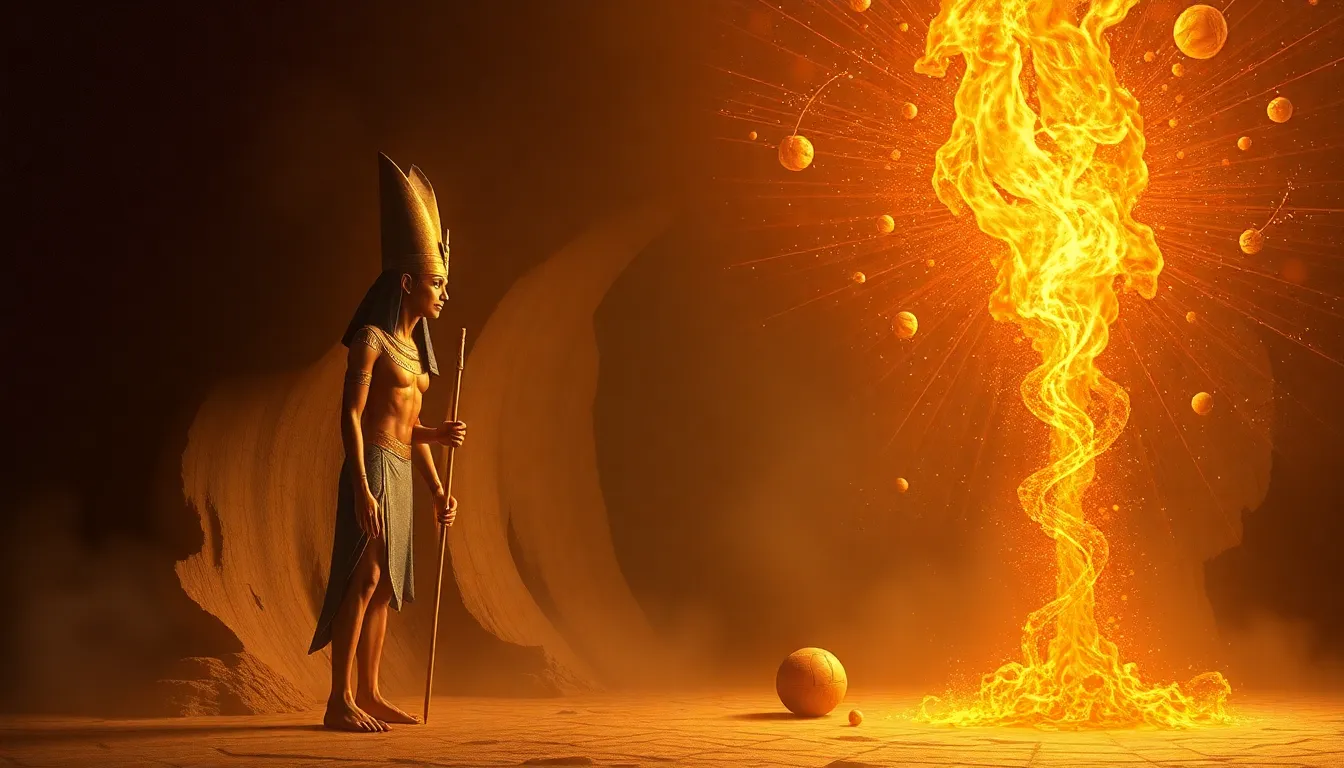
The Divine Alchemy: Transformative Myths of Intervention in Egypt
I. Introduction to Divine Alchemy in Egyptian Mythology
Divine alchemy, in the context of Egyptian mythology, refers to the transformative processes facilitated by the gods and goddesses, allowing for profound changes in the world and human experience. This ancient belief system is rich with myths that depict the interventions of divine beings in the lives of mortals, showcasing how these interactions lead to significant transformations.
The myths surrounding divine alchemy in ancient Egypt highlight the importance of intervention, emphasizing the belief that the gods actively participated in the lives of humans. This intercession not only shaped individual destinies but also collected the collective experience of the Egyptian people, weaving a tapestry of spiritual and cultural significance that remains influential to this day.
II. The Role of Gods and Goddesses in Transformation
Central to the concept of divine alchemy are the numerous gods and goddesses who oversee transformation. Key deities associated with this transformative power include:
- Osiris: The god of the afterlife, resurrection, and fertility.
- Isis: The goddess of magic and motherhood, known for her role in Osiris’s resurrection.
- Ra: The sun god, symbolizing creation and renewal.
These deities play crucial roles in myths that illustrate divine interventions in human affairs. For instance, the myth of Osiris’s death and resurrection encapsulates the cycle of life, death, and rebirth, representing the transformative power of love and loyalty. Similarly, Isis’s magical abilities enable her to bring Osiris back to life, showcasing the importance of female divine intervention in transformation.
The symbolism of resurrection and rebirth is prevalent throughout Egyptian mythology, serving as a reminder of the cyclical nature of existence and the potential for renewal through divine assistance.
III. The Concept of Ma’at: Order, Justice, and Balance
Ma’at embodies the principles of order, justice, and balance in Egyptian society. It is not just a concept but a way of life that the ancient Egyptians believed was essential for harmony in the universe. The significance of Ma’at is deeply rooted in their mythology and culture.
Myths that highlight the maintenance of Ma’at through divine intervention often depict the gods battling chaos and disorder. For example, the conflict between Horus and Set symbolizes the struggle to uphold Ma’at, illustrating how divine intervention is necessary to restore balance.
The transformative power of Ma’at extends beyond the cosmic order; it influences personal and societal contexts, teaching individuals the importance of living justly and in harmony with others. By adhering to the principles of Ma’at, individuals could transform their lives, contributing to the overall stability of society.
IV. The Afterlife: Transformation Beyond Death
The Egyptian belief in the afterlife is one of the most profound aspects of their mythology, emphasizing transformation beyond death. The journey of the soul to the afterlife is filled with trials and tribulations, symbolizing a transformative process that leads to eternal existence.
Myths surrounding the afterlife, such as those found in the Book of the Dead, illustrate the steps a soul must take to achieve transformation and acceptance by the gods. Divine beings like Anubis, the god of mummification, guide souls through this journey, ensuring they are prepared for the trials ahead.
The role of these divine beings is crucial, as they not only guide but also intervene to help the deceased navigate challenges and ultimately attain a transformed state of existence in the afterlife.
V. Mythical Heroes and Their Transformative Journeys
Egyptian mythology is rich with tales of mythical heroes who undergo significant transformations. Notable figures include:
- Horus: The sky god who avenges his father Osiris and embodies the rightful order.
- Set: The god of chaos and disorder, representing the challenges to be overcome.
Key stories of trials faced by these heroes reveal their transformative journeys. For instance, Horus’s battle against Set is not just a fight for power but a representation of the struggle for balance and justice. Through divine intervention, these heroes learn vital lessons about perseverance, responsibility, and the importance of divine guidance.
Their journeys embody personal growth and the impact of divine alchemy, demonstrating how intervention leads to transformation and the fulfillment of destiny.
VI. The Impact of Nature and Cosmic Forces
The connection between natural phenomena and divine intervention is a recurring theme in Egyptian mythology. The Nile River, the sun, and celestial bodies all serve as transformative forces that shape human experiences and spiritual beliefs.
Myths involving the Nile’s annual flooding represent the life-giving and transformative power of nature. The river is viewed as a gift from the gods, essential for agriculture and sustenance, symbolizing the cycle of life and death.
Similarly, the sun’s journey across the sky, personified by Ra, reflects the cycle of day and night, creation and destruction. These cosmic forces are intertwined with the divine, emphasizing that nature itself is a manifestation of divine intervention and transformation.
VII. The Legacy of Transformative Myths in Contemporary Egypt
An exploration of ancient myths reveals their enduring influence on modern Egyptian culture and spirituality. Many aspects of these transformative tales have been reinterpreted in contemporary narratives, demonstrating their relevance across generations.
From literature to art, the themes of divine alchemy and intervention continue to resonate with people today. The stories of gods and heroes serve as a reminder of the power of transformation in personal lives and society as a whole.
Moreover, the lessons of these ancient myths encourage individuals to embrace the transformative power of their experiences, highlighting the ongoing significance of divine alchemy in navigating the complexities of modern life.
VIII. Conclusion: Embracing the Transformative Power of Myths
In summary, the concept of divine alchemy and the transformative myths of intervention in Egyptian mythology offer profound insights into the human experience. These stories illustrate the enduring significance of transformation, justice, and balance, highlighting the active role of the divine in shaping destinies.
As we reflect on these ancient narratives, we are invited to explore and embrace the lessons they impart—lessons of resilience, the importance of order, and the transformative power of love and guidance. The myths of ancient Egypt continue to inspire and challenge us, reminding us that transformation is both a personal journey and a universal truth.