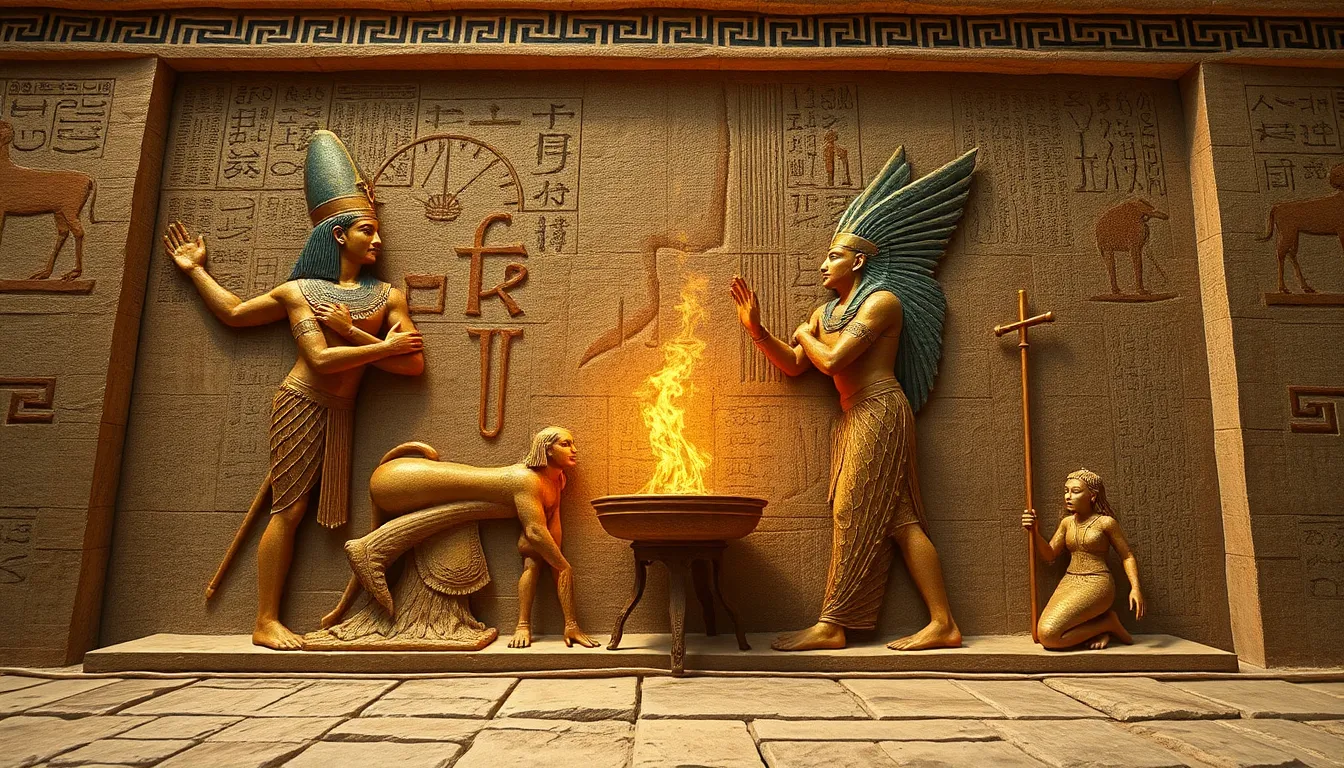
The Depiction of the Afterlife in Egyptian Art and Texts
I. Introduction
The afterlife held profound significance in ancient Egyptian culture, influencing their religious beliefs, social practices, and artistic expressions. The Egyptians viewed death not as an end, but as a transition to another realm where the soul would continue to exist. This understanding shaped their elaborate funerary customs, monumental architecture, and rich artistic traditions.
This article aims to explore the various representations of the afterlife in Egyptian art and texts, examining how these depictions reflect the beliefs and values of ancient Egyptians. By understanding these representations, we gain insights into the historical and cultural context of one of the most fascinating civilizations in human history.
Moreover, analyzing the depictions of the afterlife enhances our appreciation of the intricate relationship between ancient Egyptian religion, art, and society.
II. Historical Context of Egyptian Beliefs About the Afterlife
The beliefs surrounding the afterlife evolved significantly from the early dynastic periods through to the Ptolemaic era. Initially, the focus was on burial practices and the preservation of the body, but over time, the concept of the afterlife became more elaborate and nuanced.
- Early Dynastic Period: Emphasis on tomb construction and burial goods.
- Old Kingdom: Development of the Pyramid Texts, which contained spells and incantations for the deceased.
- Middle Kingdom: Introduction of the Coffin Texts, democratizing access to afterlife knowledge.
- New Kingdom: The Book of the Dead and more personal, individualized funerary practices.
- Ptolemaic Era: Integration of Greek influences and further evolution of afterlife concepts.
Religious beliefs were heavily influenced by societal changes, with significant figures such as Osiris, the god of the afterlife, and Anubis, the god of mummification, playing crucial roles in shaping these beliefs. Osiris was often depicted as a judge of the dead, overseeing the weighing of the heart ceremony, while Anubis was associated with funerary rituals and the protection of the deceased.
III. Symbolism in Egyptian Art Related to the Afterlife
Egyptian art is replete with symbols that convey meanings related to the afterlife. Various motifs were employed in funerary art to provide comfort and protection for the deceased on their journey into the next life.
- The Ankh: Symbol of life and immortality.
- Scarabs: Representations of rebirth and regeneration.
- Lotus Flowers: Symbolizing purity and new beginnings.
Tomb paintings often depicted scenes of daily life, ensuring that the deceased could continue their existence in the afterlife. These artworks served not only as decoration but also as a means of providing sustenance and companionship in the next world.
Amulets and artifacts were equally significant. These items, often inscribed with protective spells, were placed in tombs to safeguard the soul and assist in its journey. For instance, the scarab amulet was believed to protect the heart during the judgment of the dead.
IV. Textual Representations of the Afterlife
The afterlife is richly documented in several significant texts, with the most notable being The Book of the Dead and the Pyramid Texts. These texts provided crucial guidance for the deceased, outlining the path they must take and the challenges they would face.
- The Book of the Dead: A collection of spells designed to assist the deceased in navigating the afterlife.
- Pyramid Texts: Early religious writings inscribed in the walls of pyramids, detailing the journey of the soul.
Key themes in these texts include the weighing of the heart against the feather of Ma’at, representing truth and justice. This process determined the fate of the soul, allowing entry into the Field of Reeds, a paradise for the worthy. Additionally, spells and incantations were vital in ensuring a safe passage, invoking the protection of deities like Osiris and Anubis.
V. Architectural Expressions of Afterlife Beliefs
The architectural landscape of ancient Egypt was heavily influenced by beliefs about the afterlife. Tombs and pyramids were designed not only as burial sites but as gateways to the afterlife.
- Tomb Design: Elaborate tombs, such as those in the Valley of the Kings, were constructed to honor and protect the deceased.
- Pyramids: Served as monumental structures that represented the connection between the earth and the heavens.
- Mortuary Temples: Functioned as sites for rituals and offerings to sustain the deceased in the afterlife.
Case studies of notable tombs, such as those of Tutankhamun and Seti I, reveal the grandeur and complexity of these structures. Tutankhamun’s tomb, for instance, contained numerous artifacts that illustrate the wealth and artistry dedicated to afterlife preparations.
VI. The Role of Rituals and Offerings
Funerary rituals played a crucial role in ancient Egyptian beliefs about the afterlife. These rituals were designed to honor the deceased and ensure their safe passage into the next life.
- Funerary Rituals: Included mummification, the opening of the mouth ceremony, and various offerings.
- Types of Offerings: Food, drink, and goods were placed in tombs to support the deceased in the afterlife.
The interplay between art and ritual was significant, as artistic representations often accompanied these practices. For example, wall paintings within tombs depicted scenes of feasting and celebration, symbolizing the continued existence of the deceased in the afterlife.
VII. Comparisons with Other Ancient Civilizations
When examining afterlife beliefs, it is essential to consider neighboring cultures such as Mesopotamia and Greece. While there are similarities, distinct differences characterize their beliefs and artistic representations.
- Mesopotamia: The afterlife was often viewed as a dreary existence in the underworld, contrasting with the Egyptian notion of a rewarding afterlife.
- Greece: Beliefs included concepts of Hades and the Elysian Fields, but lacked the elaborate funerary practices seen in Egypt.
Egyptian afterlife concepts significantly influenced other cultures, as evidenced by the adoption of certain practices and beliefs in Hellenistic societies following Alexander the Great’s conquest of Egypt.
VIII. Conclusion
The depiction of the afterlife in ancient Egyptian art and texts reveals a complex belief system that was deeply ingrained in their culture. From the grand architecture of tombs and pyramids to the intricacies of funerary rituals and artistic symbolism, these representations offer invaluable insights into the values and beliefs of the ancient Egyptians.
Understanding these depictions not only enhances our appreciation for ancient Egyptian civilization but also provides a lens through which we can reflect on contemporary views of the afterlife. The legacy of Egyptian beliefs continues to resonate, influencing spiritual and cultural notions of life after death throughout history.
In conclusion, the exploration of the afterlife in Egyptian art and texts is a testament to the enduring human fascination with mortality and the quest for immortality.