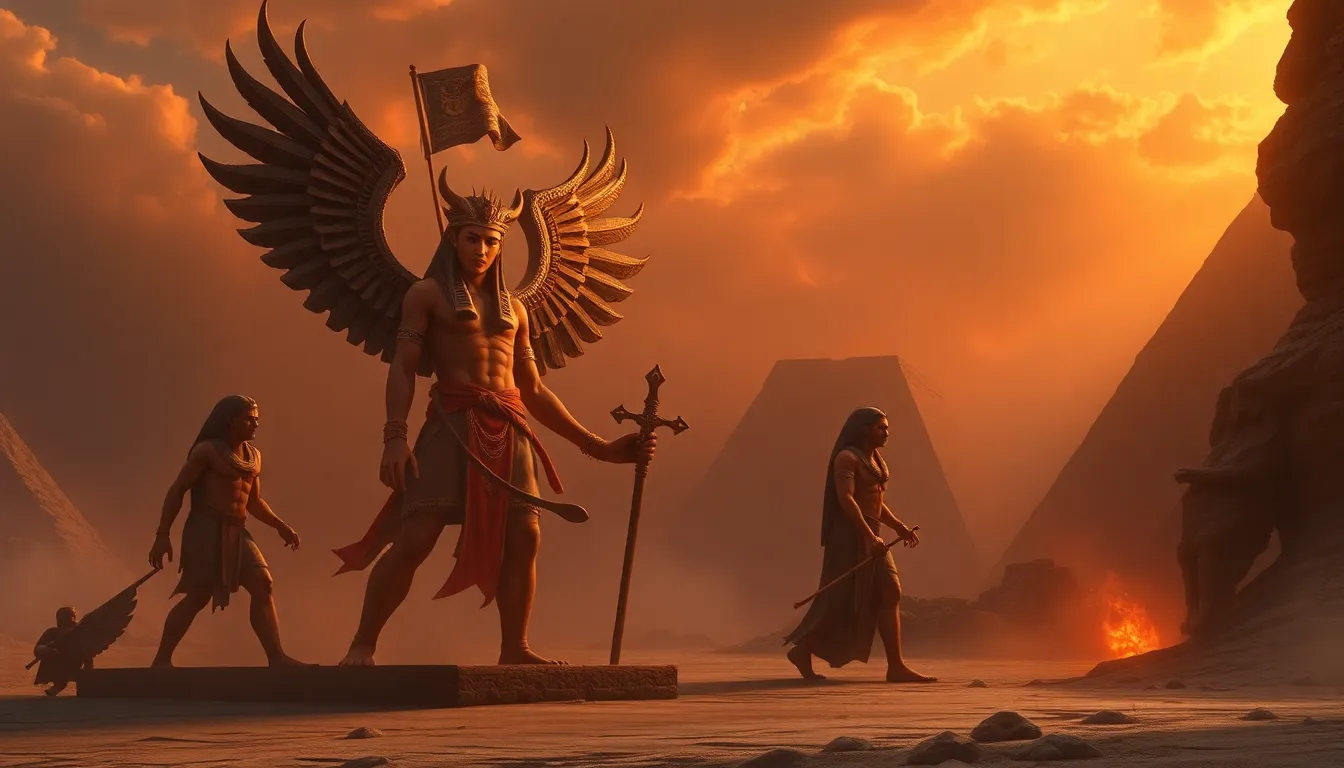
The Dark Legends of Egyptian Retribution: Tales That Terrify
I. Introduction: The Allure of Egyptian Mythology
Egyptian mythology, with its pantheon of gods and intricate tales, offers a window into the beliefs and values of one of the world’s oldest civilizations. The ancient Egyptians understood the universe as a complex interplay of order and chaos, where divine forces governed the fate of humanity. Among these forces, the concept of retribution stood out, emphasizing justice and the consequences of one’s actions.
This article aims to explore the dark legends surrounding retribution in Egyptian mythology, highlighting the gods associated with vengeance, powerful myths, and the cultural significance of these tales both in ancient times and today.
II. The Gods of Vengeance: Deities Associated with Retribution
In the rich tapestry of Egyptian mythology, several deities are closely linked with vengeance and retribution. These gods not only enforced justice but also personified the very essence of divine wrath.
- Anubis: The guardian of the afterlife, Anubis is often depicted as a jackal or a man with a jackal’s head. He plays a crucial role as the judge of the dead, guiding souls to the afterlife and ensuring that they are weighed fairly against the feather of Ma’at.
- Sekhmet: Known as the fierce lioness goddess of war and vengeance, Sekhmet embodies both destruction and healing. Her wrath could be devastating, and she was often called upon to protect the pharaohs in battle.
- Ma’at: The goddess of truth, justice, and cosmic order, Ma’at represents the moral foundation of the universe. She is integral to the concept of retribution, as she dictates the consequences of deception and wrongdoing.
III. The Myth of Osiris: Betrayal and Divine Retribution
The story of Osiris, Isis, and Set is one of the most compelling tales of betrayal and retribution in Egyptian mythology. Osiris, the god of the afterlife and resurrection, was betrayed by his jealous brother Set, who killed him and scattered his body parts across Egypt.
Isis, Osiris’s devoted wife, searched tirelessly for his remains, ultimately resurrecting him through her magical abilities. This myth encapsulates themes of betrayal, love, and the quest for justice. Set’s eventual defeat and the restoration of Osiris as the ruler of the afterlife serve as a powerful reminder of the triumph of good over evil.
The impact of this myth on ancient Egyptian society was profound, influencing their beliefs about the afterlife and the moral imperative to live justly to avoid divine retribution.
IV. The Curse of the Pharaohs: Fear of Retribution After Death
The fear of retribution did not end with death; it extended into the realm of the afterlife, where many believed that the spirits of the deceased would seek vengeance on tomb robbers and those who disrespected their resting places.
These beliefs were often encapsulated in the notion of curses, designed to protect the pharaoh’s tomb from desecration:
- The curse of Tutankhamun: Perhaps the most famous example, this curse allegedly claimed the lives of several individuals associated with the discovery of the young pharaoh’s tomb, leading to a modern fascination with the idea of ancient curses.
The psychological impact of these curses on explorers and archaeologists has been significant, instilling a sense of reverence and fear when dealing with Egypt’s ancient sites.
V. The Trials of the Dead: Judgment and Consequences in the Afterlife
The ancient Egyptians believed in a rigorous judgment process for the deceased, known as the Weighing of the Heart ceremony. In this ceremony, the heart of the deceased was weighed against the feather of Ma’at, symbolizing truth and justice.
- The role of the deceased’s actions: A heavy heart, burdened by sins, would lead to dire consequences, often resulting in the soul being devoured by Ammit, the fearsome creature that represented the ultimate punishment.
- The terrifying consequences: Failing the judgment meant an eternal fate of suffering and torment, reinforcing the importance of living a virtuous life in accordance with Ma’at.
VI. Folklore and Tales of Retributive Spirits
In contemporary Egyptian folklore, the belief in vengeful spirits persists, echoing the ancient themes of retribution. Ghost stories and tales of retributive spirits are common, often invoking the memory of those wronged in life.
- Famous tales of retribution: Numerous local legends speak of spirits returning to avenge injustices, reflecting the enduring belief in accountability beyond death.
The cultural significance of these stories in modern Egypt highlights the continuity of ancient values and the importance of justice in societal norms.
VII. Modern Interpretations and Adaptations of Egyptian Retribution Legends
The influence of ancient Egyptian myths on literature, film, and popular culture is profound. Themes of vengeance and divine justice resonate with contemporary audiences, as seen in various adaptations of Egyptian stories.
- Comparative analysis: Many cultures possess similar myths of retribution, showcasing the universal nature of moral consequences. This comparison invites deeper discussions on the role of justice across different societies.
VIII. Conclusion: The Enduring Legacy of Egyptian Retribution Myths
The dark legends of Egyptian retribution serve as a powerful reflection of human morality and the societal need for justice. These tales remain relevant today, reminding us of the importance of truth, accountability, and the consequences of our actions.
In a world still grappling with issues of justice and morality, the chilling yet captivating nature of Egyptian legends offers valuable insights into the human condition and the eternal quest for balance between order and chaos.