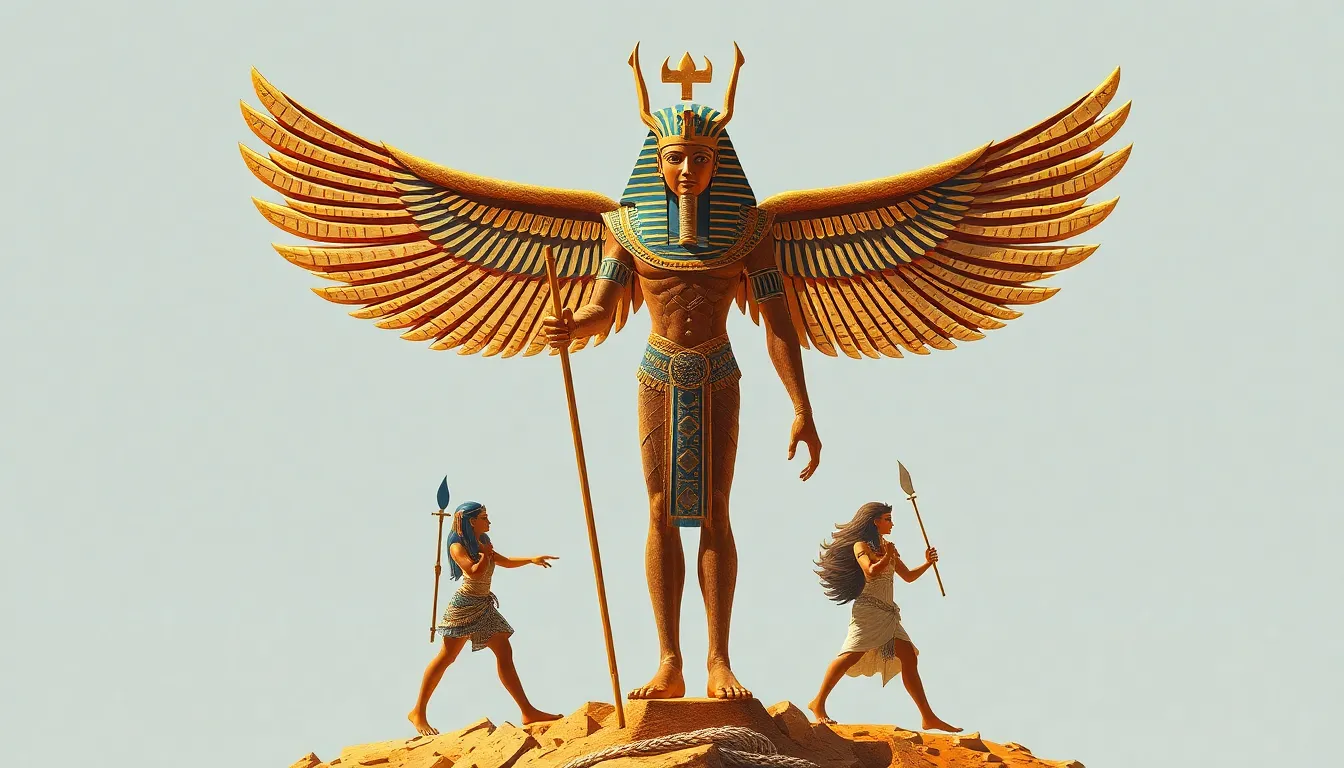
The Consequences of Disobedience: Egyptian Myths of Retribution
I. Introduction
Egyptian mythology is a fascinating tapestry of gods, goddesses, and epic tales that have shaped the beliefs and cultural practices of ancient Egypt. It encompasses a rich array of stories that highlight the complexities of human behavior, particularly the themes of disobedience and retribution. The importance of these themes in ancient Egyptian culture lies in their reflection of societal values and the consequences of straying from divine and moral laws.
This article aims to explore various myths from Egyptian mythology that illustrate the consequences of disobedience, shedding light on how these narratives served as cautionary tales for ancient Egyptians and continue to resonate in modern discussions of morality.
II. Understanding Disobedience in Ancient Egypt
Disobedience in the context of Egyptian beliefs refers to the failure to adhere to the established divine order and moral conduct as dictated by the gods. The ancient Egyptians believed in a pantheon of deities who governed various aspects of life and the cosmos, and their authority shaped societal norms and expectations.
The role of divine authority was paramount in establishing what was deemed acceptable behavior. The concept of Ma’at, representing truth, balance, and order, was central to this understanding. Those who disobeyed the laws of Ma’at faced dire consequences, both in this life and the afterlife.
Examples of societal norms that emphasized obedience include:
- Respect for the pharaoh as a divine representative.
- Adherence to religious rituals and practices.
- Upholding family and community responsibilities.
III. Key Myths Illustrating Disobedience
A. The Tale of Osiris and Set
One of the most famous myths illustrating disobedience is the tale of Osiris and Set. Osiris, the god of the afterlife, was beloved by the people and ruled justly. His brother Set, the god of chaos and disorder, became envious of Osiris’s popularity and sought to usurp his position.
Set’s betrayal culminated in the murder of Osiris, disobeying the natural order established by the gods. The consequences of Set’s actions were severe. He was ultimately punished by Horus, Osiris’s son, who fought to reclaim his father’s throne. Set’s disobedience not only led to his downfall but also disrupted the balance of Ma’at, resulting in chaos across the land.
B. The Story of Isis and the Seven Scorpions
In another tale, the goddess Isis, devoted to her deceased husband Osiris, faces challenges that test her resolve. After Osiris’s death, Isis travels to find and resurrect him, but she encounters obstacles, including the scorpions sent by Set to thwart her efforts.
In this story, the scorpions represent disobedience against divine will. As they sting and harm those who assist Isis, they face retribution for their actions. Isis’s unwavering dedication and the consequences faced by the disobedient characters illustrate the theme of loyalty and the importance of adhering to divine purpose.
IV. The Role of Gods as Enforcers of Order
In Egyptian mythology, gods are often depicted as enforcers of moral and ethical conduct. They maintain the cosmic order and ensure that justice is served. Divine punishment for human disobedience is a recurring theme in many myths.
Examples of divine punishment include:
- Horus’s victory over Set, which restored order after chaos.
- The punishment of mortals who offended the gods, often resulting in plagues or misfortunes.
- Judgment in the afterlife, where souls faced the consequences of their earthly actions.
The significance of Ma’at in these narratives cannot be overstated. It represents the balance and order that the gods strive to maintain, with disobedience leading to inevitable chaos and retribution.
V. Lessons from the Myths: Moral Implications
The myths of ancient Egypt served as cautionary tales that conveyed important moral lessons to the people. Through the stories of Osiris, Set, Isis, and others, the consequences of disobedience were made clear.
These narratives impacted the behavior of ancient Egyptians by:
- Reinforcing the importance of loyalty to family and community.
- Encouraging respect for the divine order and the pharaoh.
- Instilling a sense of accountability for one’s actions, both in life and the afterlife.
The enduring legacy of these lessons can be seen in contemporary interpretations of morality, where the consequences of disobedience continue to be relevant.
VI. Cultural Reflections on Disobedience and Punishment
Myths often reflect the values and fears of the society from which they originate. In ancient Egypt, the stories of disobedience and retribution mirrored the cultural emphasis on order, stability, and the consequences of straying from societal norms.
The influence of these stories on laws and governance in ancient Egypt was significant. They served as a foundation for legal systems that sought to maintain order and punish wrongdoing. Comparatively, many other cultures have myths that explore similar themes of retribution, highlighting a universal human concern with morality and justice.
VII. Modern Interpretations and Relevance
Contemporary society views disobedience and its consequences through various lenses, often reflecting on the moral implications of actions in a rapidly changing world. The relevance of Egyptian myths in modern discussions of morality lies in their timeless exploration of the human condition.
Potential lessons for today’s world from these ancient narratives include:
- The importance of personal responsibility and accountability.
- Understanding the impact of actions on the greater community.
- Recognizing the balance between individual desires and societal norms.
VIII. Conclusion
In summary, the exploration of disobedience and retribution in Egyptian mythology reveals profound insights into ancient Egyptian culture and its values. The myths of Osiris, Set, and Isis serve as powerful narratives that illustrate the consequences of straying from divine order.
Understanding these myths is essential for preserving cultural heritage and recognizing their relevance in contemporary discussions of morality and ethics. Ultimately, the enduring nature of these stories about disobedience and retribution continues to resonate, offering valuable lessons for both ancient and modern societies.