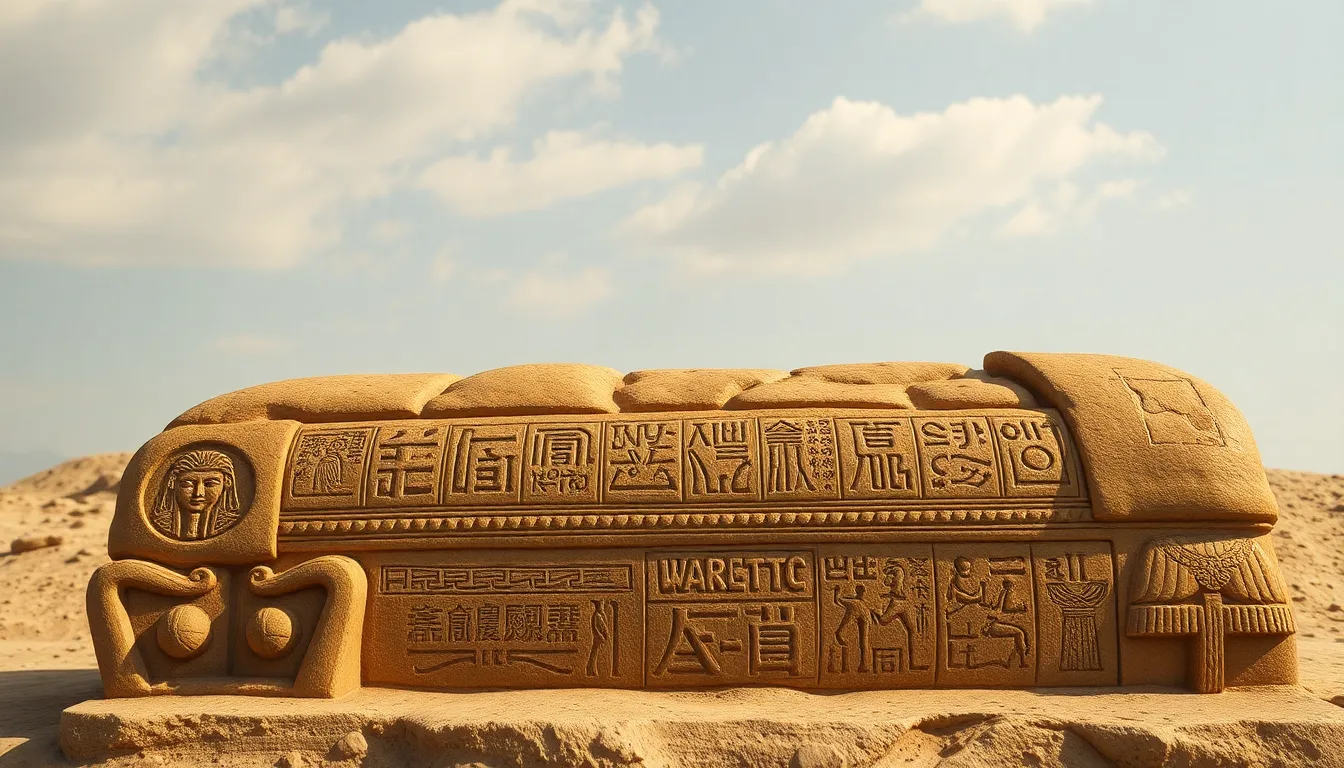
The Connection Between Tomb Texts and Egyptian Medicine
I. Introduction
Ancient Egyptian culture thrives in the collective memory of humanity, characterized by its rich tapestry of beliefs, practices, and artistic expressions. Among the most fascinating aspects of this civilization are the tomb texts, which provide crucial insights into their worldview, spirituality, and daily life. These inscriptions, found in tombs, serve not only as a guide for the deceased in the afterlife but also shed light on the medical practices and health beliefs of the ancient Egyptians. This article explores how tomb texts illuminate the understanding of ancient Egyptian medicine and health practices.
II. Historical Context of Tomb Texts
Tomb texts in ancient Egypt were inscriptions placed in burial sites with the intention of aiding the deceased in navigating the afterlife. They encompass a range of writings, from spells and prayers to hymns and instructions. The evolution of these texts from the early Pyramid Texts, which date back to around 2400-2300 BCE, to the more elaborate Book of the Dead, highlights the changing nature of Egyptian beliefs regarding death and the afterlife.
- Pyramid Texts: The earliest religious texts, intended for royalty, focusing on the protection of the soul.
- Coffin Texts: A later development, available to non-royalty, expanding the spells for a wider audience.
- Book of the Dead: A comprehensive guide to the afterlife, including a variety of spells and illustrations.
The significance of tomb texts transcends their immediate function; they reveal the Egyptians’ beliefs about death, resurrection, and the importance of maintaining health in the afterlife.
III. Overview of Ancient Egyptian Medicine
Medical practices in ancient Egypt were advanced for their time, combining empirical knowledge with spiritual beliefs. Egyptian medicine relied on a holistic approach, recognizing the integration of physical health, emotional well-being, and spiritual harmony.
- General Principles: Health was considered a balance of physical, mental, and spiritual factors.
- Medical Texts: Key sources included the Edwin Smith Papyrus and the Ebers Papyrus, which detail surgical procedures, anatomy, and herbal remedies.
- Healers and Physicians: Healers held a respected position in society, often regarded as mediators between the physical and spiritual worlds.
IV. Healing Spells and Rituals in Tomb Texts
Tomb texts often included spells specifically aimed at healing and protection from illness. These spells were vital in ensuring the deceased maintained their health in the afterlife.
- Examination of Specific Spells: Many spells invoked various deities to provide healing, such as those found in the Book of the Dead.
- Magical Elements: The use of incantations and rituals was believed to harness divine power for healing purposes.
- Case Studies: Notable spells include those that protect against venomous creatures and diseases, showcasing the Egyptians’ understanding of health risks.
V. Connection Between Tomb Texts and Medical Knowledge
The relationship between tomb texts and medical knowledge is evident in the reflections of contemporary medical practices found within these inscriptions.
- Contemporary Practices: Tomb texts often mirrored the medical practices of the time, indicating the importance of certain remedies and treatments.
- Herbal Remedies: Many inscriptions reference specific plants and their uses, suggesting a sophisticated understanding of herbal medicine.
- Anatomical Knowledge: Tomb texts reveal insights into the Egyptians’ anatomical knowledge, as seen in descriptions of the body and its functions.
VI. The Role of Deities in Medicine as Depicted in Tomb Texts
Deities played a crucial role in the practice of medicine, as many tomb texts highlight the divine association with health and healing.
- Key Deities: Imhotep, the god of medicine, and Sekhmet, the goddess of healing, are frequently mentioned.
- Rituals and Offerings: Tombs often contained offerings and invocations to these deities, emphasizing the need for divine protection over health.
- Symbolism: The presence of deities in medical texts underscores the symbolic importance of divine intervention in healing practices.
VII. Archaeological Discoveries Linking Tomb Texts to Medical Practices
Archaeological discoveries have significantly enhanced our understanding of the connection between tomb texts and ancient medical practices.
- Significant Finds: Discoveries of mummies and medical papyri have provided direct evidence of medical practices.
- Interpretation of Inscriptions: Tomb inscriptions can be analyzed alongside medical artifacts, offering insights into the practices of healing.
- Impact of Discoveries: These archaeological findings have transformed our understanding of Egyptian medicine, revealing a complex interplay between health, spirituality, and daily life.
VIII. Conclusion
The interconnectedness of tomb texts and Egyptian medicine reveals a profound relationship between health beliefs and the afterlife in ancient Egypt. Through the examination of these inscriptions, we gain valuable insights into their medical practices, the role of deities, and the significance of healing rituals. Understanding this relationship not only enriches our knowledge of ancient Egyptian culture but also highlights the sophistication of their medical practices. Future research on tomb texts and medical practices promises to unveil even more about the health beliefs and practices of this remarkable civilization.