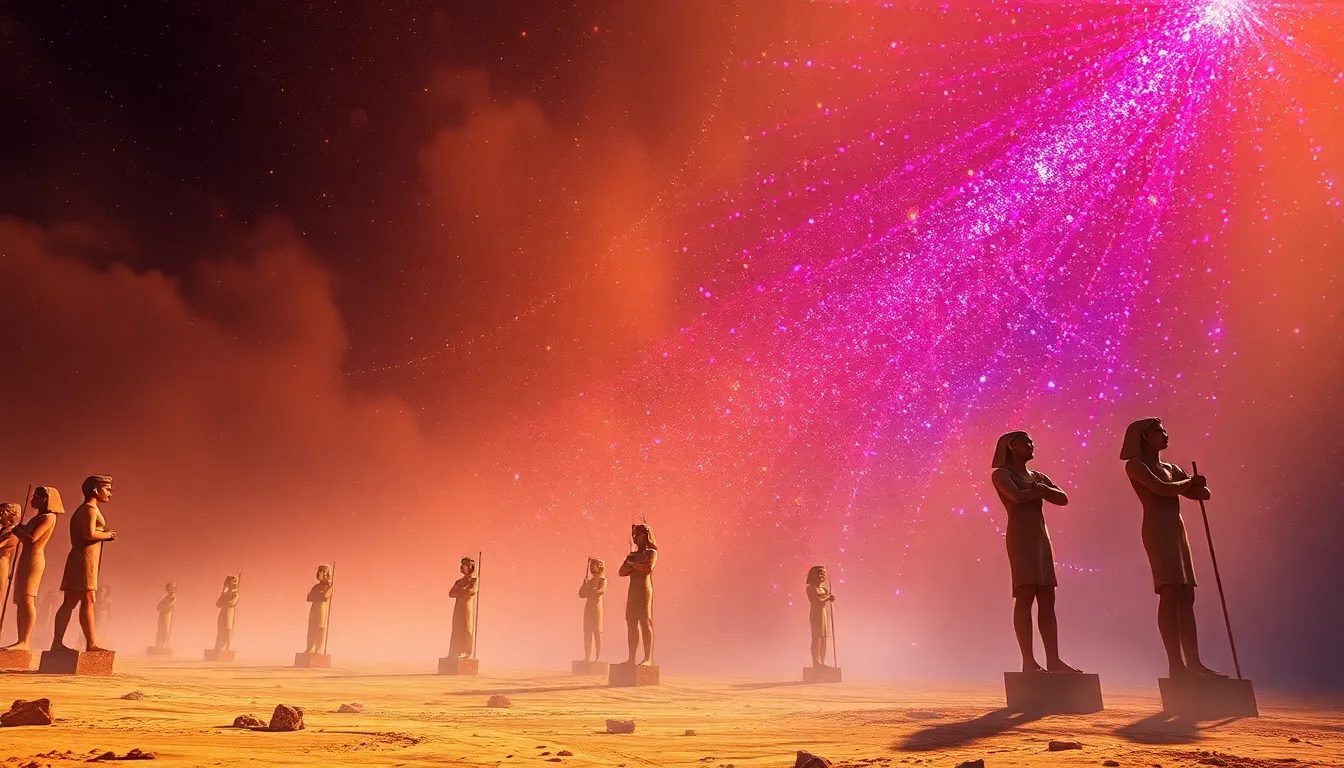
The Connection Between Egyptian Festivals and Fertility
I. Introduction
Ancient Egyptian culture is renowned for its rich tapestry of mythology, art, and rituals that deeply influenced every aspect of life in the Nile Valley. Among the many themes that permeated this civilization, fertility held a paramount place in the hearts and minds of the Egyptian people. Fertility was not just a personal concern; it was intricately tied to agriculture, the sustenance of society, and the favor of the gods. This article aims to explore the profound connection between Egyptian festivals and fertility, revealing how celebrations were not only reflections of cultural values but also vital to ensuring the continuity of life and prosperity in ancient Egypt.
II. Historical Context of Fertility in Ancient Egypt
Fertility in ancient Egypt was essential for both agriculture and daily life. The annual flooding of the Nile River brought life to the arid desert, allowing crops to flourish and communities to thrive. Thus, the concept of fertility extended beyond human reproduction; it encompassed the fertility of the land, livestock, and the well-being of the people.
Deities associated with fertility played a significant role in Egyptian mythology. Many gods and goddesses were revered for their powers to ensure bountiful harvests and healthy offspring. Festivals emerged as a means to celebrate these divine beings and their crucial roles in sustaining life.
III. Major Egyptian Festivals Celebrating Fertility
Several key festivals in ancient Egypt were directly linked to fertility, each with its unique significance and rituals:
- Wepet-Renpet: The New Year Festival
This festival marked the beginning of the inundation, a time when the Nile flooded its banks, enriching the soil for agriculture. Wepet-Renpet was a celebration of renewal and rebirth, symbolizing the cyclical nature of life.
- Opet Festival: Celebrating the Nile’s Fertility
The Opet Festival was held in honor of the god Amun and involved a grand procession from Karnak Temple to Luxor Temple. It celebrated the fertility of the land as the Nile swelled with water, ensuring a successful planting season.
- Khoiak Festival: Honoring Osiris and Agricultural Renewal
This festival honored Osiris, the god of the afterlife and agriculture. It celebrated the planting of seeds and the hope for a good harvest, emphasizing the connection between death and rebirth in nature.
IV. Rituals and Ceremonies Linked to Fertility
During these festivals, various rituals and ceremonies were performed to invoke the blessings of the gods and ensure fertility:
- Offerings and sacrifices during festivals
People made offerings of food, flowers, and animals to the deities, expressing gratitude and seeking favor for fertility and abundance.
- Symbolic actions and rituals
Rituals often included symbolic actions, such as planting seeds, pouring water, and performing dances that represented fertility and renewal.
- Community involvement and participation
Festivals were communal events, where the participation of the entire community fostered a sense of unity and collective hope for prosperity.
V. The Role of Deities in Fertility Festivals
Several key deities were central to the theme of fertility in ancient Egyptian festivals:
- Isis
Isis, the goddess of motherhood, magic, and fertility, was often invoked for protection and blessings for children and crops.
- Hathor
Hathor, the goddess of love, beauty, and fertility, was celebrated for her nurturing qualities and was frequently honored in rituals aimed at promoting fertility.
Myths and stories associated with these deities often highlighted their struggles, sacrifices, and triumphs, reinforcing the importance of fertility in both human life and the natural world. During festivals, offerings, hymns, and rituals were dedicated to these gods, seeking their blessings for fertility and abundance.
VI. Agriculture and the Cycles of Nature
The agricultural calendar in ancient Egypt was closely tied to the rhythms of nature and the Nile’s flooding cycle. Festivals were strategically placed within this calendar to align with key agricultural events:
- Connection between festivals and seasonal cycles
Each festival marked important seasonal changes, such as planting, harvesting, and the inundation of the Nile, reinforcing the relationship between human activities and natural cycles.
- Rituals aimed at ensuring successful harvests
Rituals performed during these festivals were believed to ensure bountiful harvests, invoking the gods’ favor and ensuring the community’s survival.
VII. Modern Interpretations and Legacy
The influence of ancient Egyptian practices can still be observed in contemporary Egyptian culture. Many modern festivals retain elements that celebrate fertility and agricultural abundance:
- Preservation of fertility-related traditions in modern festivals
Some modern celebrations in Egypt echo ancient rituals, showcasing a blend of historical and contemporary practices that honor the agricultural heritage.
- Academic and cultural interest in ancient fertility practices
Scholars and enthusiasts continue to study ancient Egyptian fertility practices, contributing to a greater understanding of their cultural significance and impact on contemporary society.
VIII. Conclusion
The connection between festivals and fertility in ancient Egypt illustrates a profound understanding of the cycles of life and the importance of community in ensuring prosperity. By celebrating fertility through elaborate rituals and honoring the deities associated with abundance, the ancient Egyptians forged a deep relationship with their environment and the divine.
Understanding these ancient practices enriches our appreciation of the cultural heritage of Egypt and underscores the timeless significance of fertility in human existence. As we reflect on this legacy, we are reminded of the interconnectedness of nature, community, and the divine in the quest for sustenance and life.