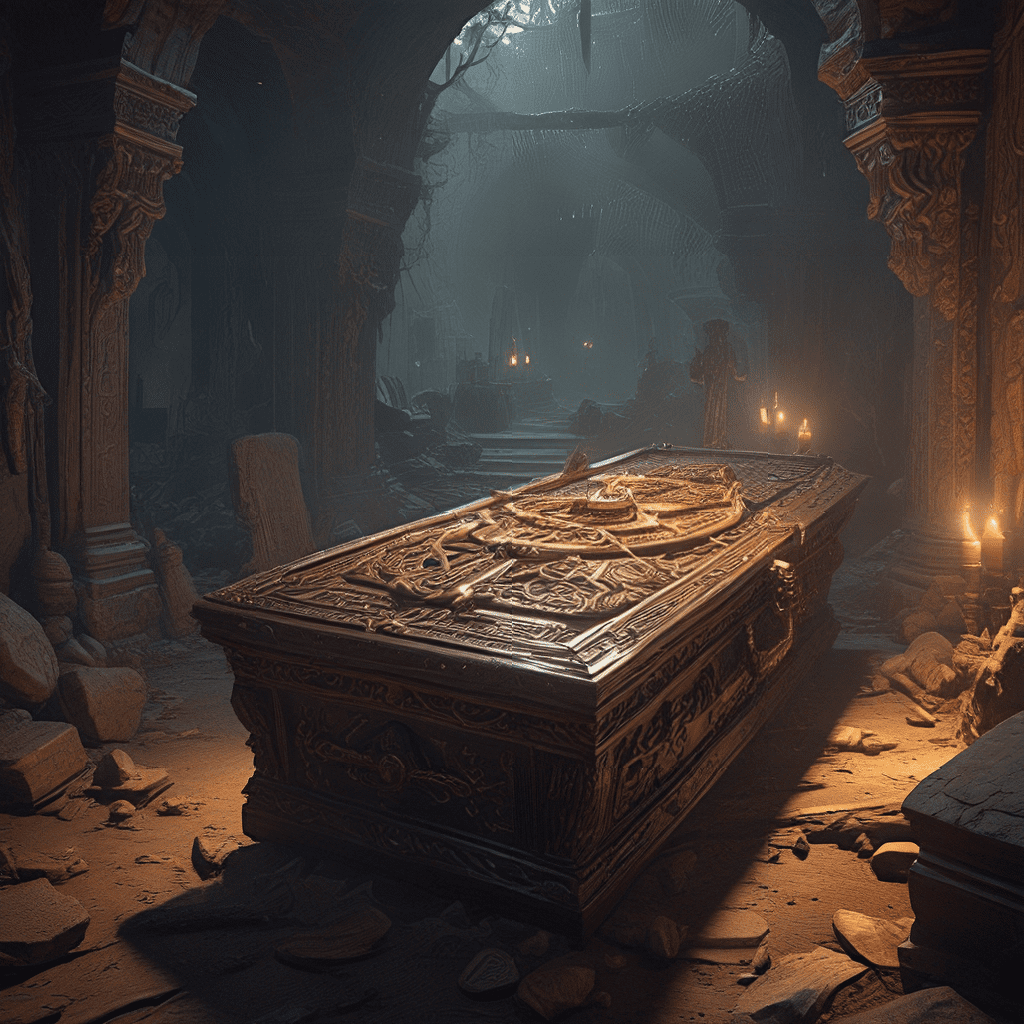
The Coffin Texts: A Journey Through the Underworld
Imagine a world where death isn’t the end, but a journey. This is the belief that guided ancient Egyptians as they created the Coffin Texts, a collection of spells and stories meant to guide the deceased through the afterlife. These texts, carved onto the insides of coffins, offer a fascinating glimpse into their beliefs about death, the underworld, and the eternal journey beyond.
I. Introduction: The Rise of the Coffin Texts
The Coffin Texts emerged during a time of change in ancient Egypt, known as the First Intermediate Period (2181–2055 BC). This era followed a period of political instability and social unrest. As the power of the pharaohs weakened, the importance of individual tombs and burial practices grew. The earlier Pyramid Texts, once reserved for the pharaohs, became more accessible to ordinary people. This led to the development of the Coffin Texts, which offered a more personalized approach to the afterlife journey.
The Coffin Texts reflect the evolving understanding of death and the afterlife. Unlike the Pyramid Texts, which focused on the pharaoh’s journey to become a god, the Coffin Texts aimed to guide individuals through their own unique path toward eternal life. They emphasized the importance of personal righteousness and the role of magic in overcoming the challenges of the underworld.
II. The Nature of the Coffin Texts
The Coffin Texts are a diverse collection of magical spells, incantations, prayers, and narratives. Each text was specifically tailored to the individual deceased, addressing their hopes, fears, and aspirations for the afterlife. The texts aimed to empower the deceased with the knowledge and tools to navigate the underworld, overcome obstacles, and ultimately achieve immortality.
These texts are filled with vivid descriptions of the underworld, a realm filled with dangers and challenges. They detail the complex rituals the deceased must perform, the deities they must appease, and the monsters they must confront. The texts also present a detailed account of the weighing of the heart ceremony, the crucial judgment that determines the fate of the soul in the afterlife.
III. The Underworld: A Labyrinth of Challenges
The ancient Egyptians believed that the deceased embarked on a perilous journey through the underworld, a realm ruled by the god Osiris. This journey was filled with obstacles and challenges that tested the deceased’s strength, knowledge, and righteousness. The underworld was a labyrinth of dark passages, treacherous rivers, and fearsome beasts, each representing a different aspect of the deceased’s past and their potential for redemption.
To navigate this treacherous path, the deceased needed to possess knowledge of the underworld’s geography, the magic spells to overcome obstacles, and the courage to face their fears. The Coffin Texts provide a roadmap through these trials, offering guidance on how to appease the underworld deities, find their way through the labyrinth, and ultimately reach the Hall of Judgement, where their fate would be decided.
IV. Key Spells and Incantations
The Coffin Texts are filled with potent spells and incantations designed to protect the deceased and ensure their safe passage through the underworld. One of the most important spells is the “Spell of the Negative Confession,” a declaration of innocence recited before Osiris, the judge of the dead. In this spell, the deceased proclaims their purity and reaffirms their adherence to the Egyptian moral code, hoping to earn a favorable judgment.
Another crucial spell is “The Chapter of Opening the Mouth,” a ritual performed to restore the deceased’s senses. This spell involved symbolically opening the mouth, ears, and eyes of the deceased with a chisel and a special wand, allowing them to experience the afterlife fully.
The “Spell of the Weighing of the Heart” is the culmination of the afterlife journey. This spell describes the ceremony where the deceased’s heart is weighed against the feather of Ma’at, the goddess of truth and justice. If the heart is found to be lighter than the feather, the deceased is granted eternal life in the Field of Reeds, a paradise filled with joy and abundance. If the heart is heavier, the deceased is devoured by the monster Ammit, symbolizing the destruction of the soul.
V. Encounters with Underworld Deities
The journey through the underworld involves encounters with various deities, each with their own unique roles and responsibilities. One of the most prominent deities is Osiris, the god of the underworld, who presides over the Hall of Judgement and determines the fate of the deceased. Anubis, the jackal-headed god, guides the deceased through the initial stages of the afterlife, acting as a protector and keeper of secrets.
Horus, the divine son of Osiris, plays a crucial role in protecting the deceased and ensuring their safe passage through the underworld. Thoth, the scribe of the gods, is responsible for recording the deceased’s actions and thoughts, ultimately acting as a judge during the weighing ceremony.
VI. The Role of Magic and Ritual
Magic plays a central role in the Coffin Texts, offering the deceased protection, knowledge, and the power to overcome challenges. These texts are filled with spells, incantations, and magical formulas meant to ward off evil spirits, appease the deities, and grant the deceased the strength to face their trials.
Funerary objects and amulets were also believed to possess magical properties. These objects, often placed in the tomb alongside the deceased, served as protective charms and symbols of power. Rituals were also crucial to ensure a successful afterlife. The ancient Egyptians believed that these rituals, performed both before and after death, could influence the deceased’s journey and ensure their safe passage to the afterlife.
VII. The Concept of Rebirth and Immortality
The Coffin Texts are ultimately a testament to the ancient Egyptians’ belief in rebirth and immortality. They viewed death as a transition, not an end, a journey towards a new life in the afterlife. The successful completion of the underworld journey was not merely about avoiding punishment but about achieving a state of transformation and achieving eternal life.
The Coffin Texts offer a unique and fascinating window into the ancient Egyptians’ world view, revealing their complex beliefs about death, the afterlife, and the eternal journey to a new existence. These texts continue to captivate our imaginations, reminding us of the enduring human fascination with the mysteries of life and death.