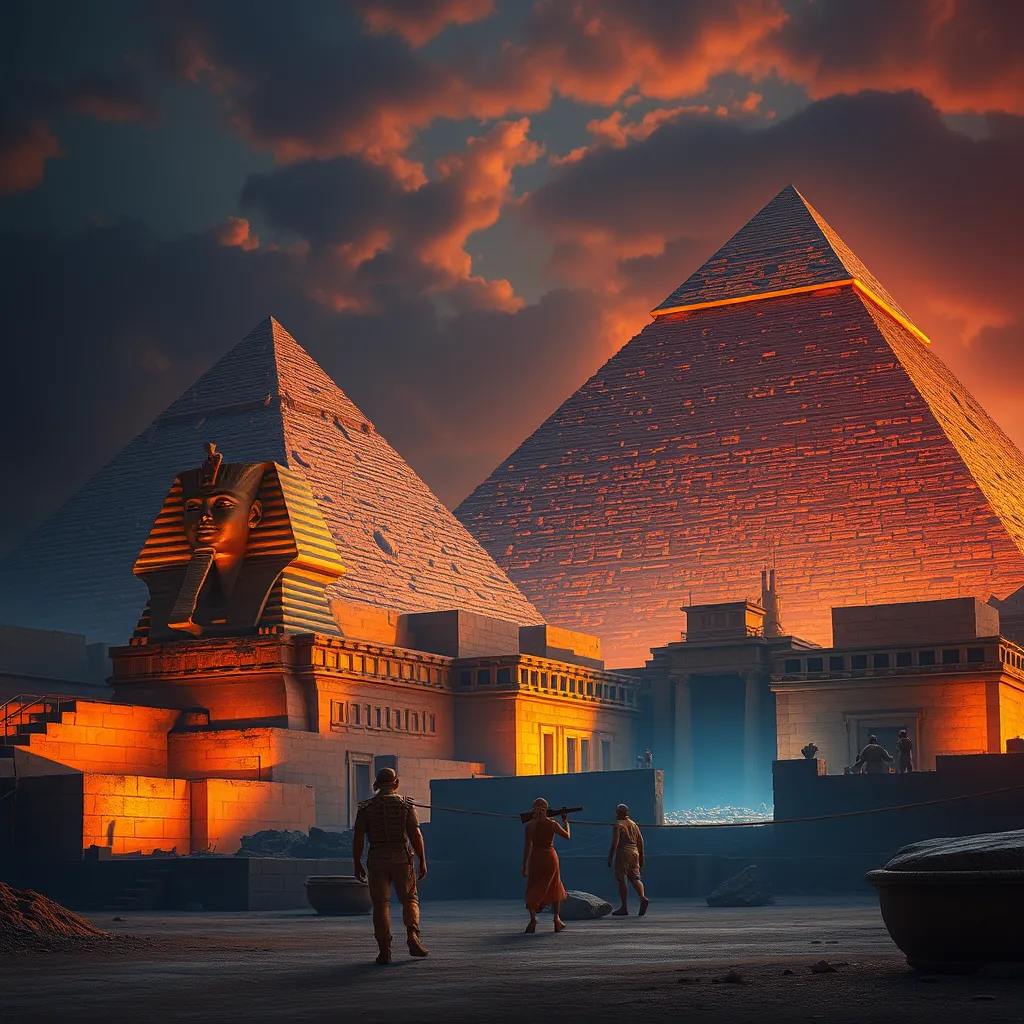
The Builders of Pyramids: The Stories of Pharaohs and Queens
I. Introduction
The pyramids of Egypt stand as monumental testaments to the ingenuity and ambition of ancient civilizations. These magnificent structures served not only as tombs for the Pharaohs but also as symbols of their power and divine connection to the gods. The significance of these pyramids extends beyond their architectural grandeur; they are deeply ingrained in the cultural and religious fabric of ancient Egypt.
At the heart of the pyramid-building endeavor were the Pharaohs and Queens, whose vision and leadership drove these monumental projects. This article aims to delve into the stories and contributions of these key historical figures in the construction of the pyramids, shedding light on their motivations and the legacies they left behind.
II. Historical Context of Pyramid Building
The evolution of pyramid design in ancient Egypt reflects the changing architectural styles and religious beliefs of the time. Initially, the step pyramid, exemplified by the Pyramid of Djoser in Saqqara, marked the beginning of monumental stone construction. Over time, this design evolved into the true pyramids, characterized by their smooth, angled sides, as seen in the iconic pyramids of Giza.
Pyramids played a significant role in Egyptian religion and culture, serving as gateways to the afterlife. They were believed to help the deceased Pharaohs ascend to the heavens and join the gods. The Old Kingdom, particularly, was a golden age of pyramid building, with the construction of the three great pyramids of Giza. The Middle and New Kingdoms also contributed to the tradition, though with different architectural approaches and purposes.
III. The Pharaohs: Divine Rulers and Visionaries
Several key Pharaohs were instrumental in the construction of the pyramids, each bringing their unique vision and style:
- Khufu: The builder of the Great Pyramid of Giza, Khufu’s pyramid is the largest and most famous. His reign marked the zenith of pyramid construction.
- Sneferu: Known for his three pyramids, including the Bent Pyramid and the Red Pyramid, Sneferu pioneered architectural innovations that led to the development of true pyramids.
- Hatshepsut: One of the few female Pharaohs, Hatshepsut’s mortuary temple at Deir el-Bahari showcases her contributions to monumental architecture, although her burial site was not a pyramid.
The motivations behind pyramid building were both political and religious. Pharaohs sought to demonstrate their divine right to rule and their power over life and death. The architectural innovations introduced during their reigns, such as the use of corbel arches and improved stone-cutting techniques, laid the groundwork for future constructions.
IV. The Role of Queens in Pyramid Construction
Queens also played a pivotal role in the history of pyramid construction. Notable figures include:
- Hatshepsut: As a powerful ruler, she expanded trade and commissioned impressive building projects, including her mortuary temple.
- Nefertiti: Although her burial site remains a mystery, Nefertiti’s influence as a queen is evident in the art and architecture of her time.
The significance of queens extended beyond their contributions to construction; they were vital to the dynastic lineage and often held significant religious roles. Their burial sites, while not always pyramids, were architecturally significant and reflected their status.
V. The Workforce Behind the Pyramids
The construction of the pyramids required a vast and organized labor force. Contrary to popular belief, many of the workers were not slaves but skilled laborers who were well-fed and housed during the construction period. Recent archaeological discoveries have revealed:
- A well-organized workforce that included laborers, engineers, and architects.
- Living conditions that were relatively good, with evidence of medical care and sustenance.
- The logistics of moving massive stones from quarries to construction sites, which involved advanced planning and organization.
These findings challenge the traditional views of forced labor and highlight the skilled craftsmanship and communal effort involved in pyramid construction.
VI. The Symbolism and Purpose of the Pyramids
The pyramids served as powerful symbols of the Pharaohs’ authority and the belief in immortality. Their imposing structures were designed to impress and intimidate, projecting the power of the ruler to both the living and the dead.
Architecturally, the alignment of the pyramids with celestial bodies holds significant meaning in Egyptian cosmology. The pyramids were often oriented to face the cardinal points and aligned with stars, reflecting the Egyptians’ beliefs about the afterlife and the universe.
The role of pyramids in the afterlife beliefs of ancient Egyptians was paramount. They were seen as a means for the Pharaohs to transcend death, ensuring their journey to the afterlife and their eternal existence with the gods.
VII. Legacy of the Pyramids and Their Builders
The legacy of the pyramids extends far beyond ancient Egypt. They influenced subsequent Egyptian architecture, inspiring later tomb designs and monumental structures. The techniques developed during pyramid construction laid the foundation for future architectural innovations.
The impact of pyramid building on modern perceptions of ancient Egypt cannot be overstated. Today, they are among the most recognizable symbols of ancient civilization, drawing millions of visitors and researchers eager to understand their history.
Preservation efforts are ongoing, as archaeologists continue to make discoveries that deepen our understanding of these incredible structures and their builders. Each excavation reveals more about the people, culture, and technology of ancient Egypt.
VIII. Conclusion
The stories of Pharaohs and Queens are inextricably linked to the history of the pyramids. Their ambition, vision, and leadership were crucial in creating these monumental structures that continue to captivate the world. The enduring mystery and allure of the pyramids invite further exploration and research into the ancient Egyptian civilization.
As we reflect on the significance of these builders and their creations, it is clear that our understanding of ancient Egypt is still evolving. The pyramids remain not only architectural marvels but also enduring symbols of human achievement and aspiration.