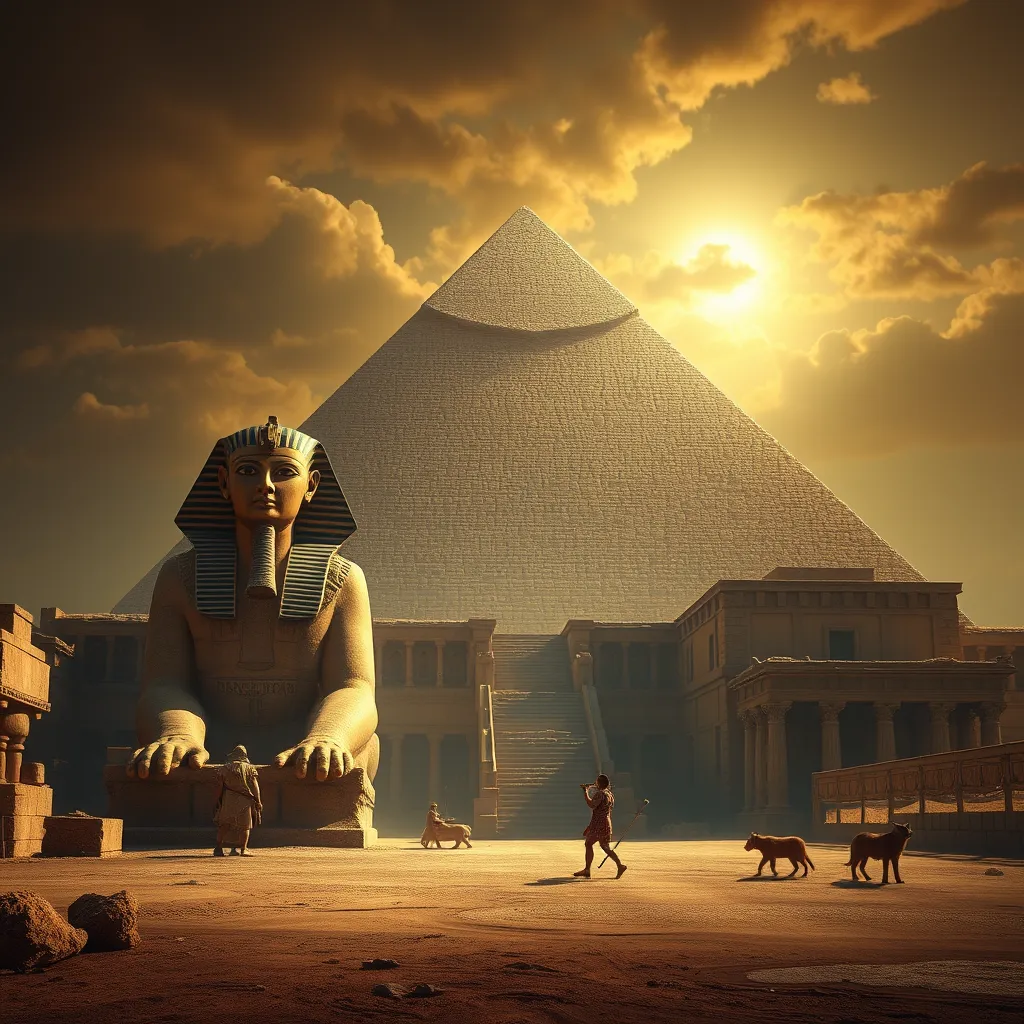
The Builders of Pyramids: The Legacy of the Pharaohs
I. Introduction
The pyramids of ancient Egypt stand as monumental testaments to one of the world’s most remarkable civilizations. Their grandeur and engineering prowess continue to captivate the imagination of historians, archaeologists, and tourists alike. These structures were not merely tombs; they were reflections of the society that built them, embodying their beliefs, power, and aspirations.
At the center of this monumental construction were the pharaohs—divine rulers who saw the pyramids as gateways to immortality. This article aims to explore the builders of these iconic structures and the lasting legacy they have left behind.
II. Historical Context of Pyramid Construction
The evolution of pyramid design is a fascinating journey, beginning with simple rectangular structures known as mastabas. As the civilization advanced, these evolved into the more recognizable true pyramids. Each design change reflected advancements in architectural techniques and a deeper understanding of engineering.
Key periods in pyramid construction include:
- Old Kingdom: The era of the great pyramids, including the Pyramid of Khufu, the largest of them all.
- Middle Kingdom: Notable for the construction of pyramids with more complex designs and intricate burial chambers.
- New Kingdom: While traditional pyramids were less common, monumental structures continued to be built, including temples and tombs.
The socio-political climate during these periods varied significantly, with pharaohs often using pyramid construction as a means to consolidate power and express their divine status.
III. The Role of Pharaohs in Pyramid Construction
Pharaohs were viewed as divine beings, intermediaries between the gods and the people. Their vision for immortality was firmly tied to the construction of pyramids, which they believed would ensure their safe passage to the afterlife.
Notable pharaohs and their associated pyramids include:
- Khufu: Commissioned the Great Pyramid of Giza, a marvel of engineering.
- Sneferu: Known for the Bent Pyramid and the Red Pyramid, which marked important steps in pyramid design.
- Hatshepsut: While not a traditional pyramid builder, her mortuary temple at Deir el-Bahari is an architectural masterpiece.
The relationship between power, religion, and monumental architecture was complex; the construction of these pyramids served not only as tombs but also as statements of the pharaohs’ might and divine favor.
IV. The Workforce Behind the Pyramids
There has been much debate about the nature of the labor force that built the pyramids. Contrary to popular belief, evidence suggests that the builders were primarily skilled workers rather than slaves. These workers were often organized into crews, each with specific tasks, and were well-fed and housed.
Key aspects of the organization and daily life of pyramid builders included:
- Skilled Labor: Many workers were craftsmen and artisans who had experience in various trades, from stone cutting to logistics.
- Management: Large teams were coordinated by overseers, ensuring the efficient transport and placement of massive stone blocks.
- Community: Workers lived in nearby settlements, where they had access to food, medical care, and communal activities.
V. Engineering and Architectural Innovations
The construction of pyramids involved remarkable engineering feats and innovations. Techniques and tools used included:
- Lever Systems: To lift and position the huge stone blocks.
- Ramps: Various ramp systems were utilized to transport stones to higher levels.
- Mathematics: A deep understanding of geometry and alignment with celestial bodies played a crucial role in design.
When comparing pyramid construction with other ancient structures, it becomes evident that the Egyptians developed unique methodologies that influenced later architectural practices throughout the Mediterranean and beyond.
VI. Cultural Significance of the Pyramids
The pyramids serve as enduring symbols of power and technological advancement. They reflect the sophisticated religious beliefs surrounding death and the afterlife that were central to ancient Egyptian culture. The construction of these monumental structures had a profound impact on:
- Art: The grandeur of the pyramids inspired numerous artistic expressions, including wall paintings and sculptures that adorned tombs.
- Religion: The pyramids were seen as a means to connect the pharaohs with the divine, reinforcing the belief in the afterlife.
- Cultural Identity: The pyramids became a symbol of Egyptian civilization, representing its achievements and values.
VII. The Legacy of the Pyramids in Modern Times
Today, the pyramids continue to influence contemporary architecture and engineering. Their design principles and construction techniques are studied and admired worldwide. In popular culture, the pyramids symbolize ancient Egypt’s mystery and grandeur, appearing in films, literature, and art.
Ongoing archaeological research has yielded new discoveries related to pyramid construction, including:
- Workshops: Findings of workers’ villages and tools used in construction.
- Burial Practices: Insights into the rituals and beliefs surrounding the afterlife.
- Preservation Efforts: Initiatives to preserve these ancient structures for future generations.
VIII. Conclusion
The pyramids of Egypt are not merely architectural wonders but also the embodiment of the pharaohs’ vision, the laborers’ skills, and the cultural beliefs of an entire civilization. Their construction reflects the complexities of ancient Egyptian society, including the intertwining of power, religion, and innovation.
As we reflect on the enduring legacy of the pyramids, it is essential to appreciate and preserve these ancient wonders, ensuring that future generations can witness and learn from the remarkable achievements of the past.