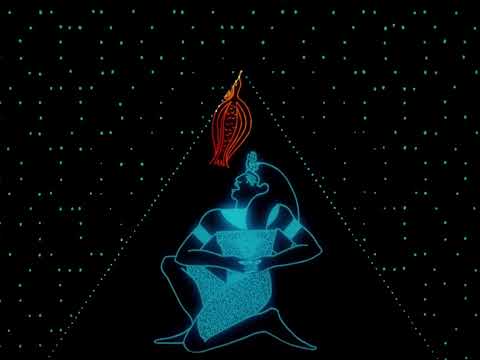
1. Introduction: The Cosmic Significance of Ra
In the ancient world of Egypt, the sun held a position of unparalleled importance. More than just a source of warmth and light, the sun was worshipped as a god — Ra, the creator and sustainer of all life. Ra’s power was the breath of life, animating the cosmos and nurturing every living thing. Ancient Egyptians believed that their very existence was woven into the fabric of the sun’s celestial journey. The daily rising and setting of the sun reflected the cyclical rhythms of life and death, and the sun’s unwavering presence in the sky was a symbol of eternal order and stability. The sun’s importance in ancient Egyptian society is reflected in the prominence of sun worship, which was deeply embedded in their religious beliefs, rituals, and daily life.
2. The Priesthood of Ra: Guardians of the Divine Breath
The priests of Ra, known as “Hem-netjer” (servants of the god), played a vital role in maintaining cosmic harmony. They were the guardians of the divine breath, responsible for ensuring the continuous flow of life-giving energy from the sun god to the world. The priests were highly trained in the arts of ritual and ceremony, and their expertise in astronomy and astrology allowed them to track the sun’s movements with meticulous precision. The priests were not just religious figures; they were also scholars, educators, and keepers of ancient knowledge. They served as intermediaries between the divine and the human realm, interpreting the will of the gods and guiding the people in their daily lives. The relationship between the king and the priesthood of Ra was especially significant. The king was seen as the earthly embodiment of Ra, and the priests were entrusted with advising and supporting him in his role as the divine ruler. The daily rituals and ceremonies dedicated to Ra were elaborate and highly symbolic, designed to ensure the sun god’s continued benevolence and to maintain the balance of the universe.
3. The Temple of Ra at Heliopolis: Center of Solar Worship
Heliopolis, the “city of the sun,” was the spiritual heart of ancient Egypt. It was here that the grand temple of Ra stood, a testament to the power and glory of the sun god. The temple complex was a marvel of architecture and artistry, adorned with elaborate carvings, statues, and obelisks that pointed towards the heavens. The temple’s symbolic significance was profound. It was a microcosm of the cosmos, reflecting the celestial order and the divine presence of Ra. The High Priest of Ra, the most important figure in the priesthood, resided at Heliopolis. He was responsible for overseeing all the rituals and ceremonies dedicated to the sun god, as well as for maintaining the temple’s sacred treasures. The High Priest of Ra was a powerful figure, wielding enormous influence both within the temple and throughout the land.
4. The Divine Breath: A Powerful Force
The concept of “Ma’at,” the principle of cosmic order and justice, was closely intertwined with the power of Ra. Ma’at was embodied in the sun’s cyclical journey across the sky, and the priests of Ra were tasked with maintaining Ma’at through their rituals and ceremonies. The breath of Ra was seen as the ultimate source of life and power, the vital force that sustained all creation. This concept of the divine breath permeated all aspects of Egyptian religious life. The act of breathing was considered sacred, a physical manifestation of the connection between humans and the divine. Breathing rituals were common, used to invoke the blessings of the gods and to connect with the divine realm. The “ka,” the life force or spirit, was believed to be sustained by the breath, and when a person died, their ka would join Ra in the afterlife.
5. The “Eye of Ra”: A Symbol of Divine Vengeance
The “Eye of Ra,” a powerful and multifaceted symbol, represented the destructive and protective aspects of the sun god. It was a manifestation of Ra’s wrath, capable of unleashing fire and consuming his enemies. The Eye of Ra was often depicted as a fierce feline goddess, such as Sekhmet or Bastet, embodying the god’s power to bring order and justice to the world. The myth of the Eye of Ra tells the story of its journey across the heavens, where it confronts various threats to cosmic order and vanquishes them with its fiery power. The Eye’s significance extended beyond its role as a symbol of divine vengeance. It also served as a powerful protective force, guarding the world from chaos and evil. The Eye of Ra was frequently invoked in protective amulets and spells, offering protection against harm and misfortune.
6. The Afterlife and the Breath of Ra
The ancient Egyptians held strong beliefs in an afterlife, and the journey to the underworld was a central theme in their religious practices. They believed that after death, the soul would embark on a perilous journey to the afterlife, where it would be judged by Osiris, the god of the underworld. Ra played a significant role in the afterlife, providing guidance and protection to the deceased. The “Book of the Dead,” a collection of spells and incantations, provided a detailed roadmap for the afterlife, including instructions on how to appease the gods and navigate the various challenges that lay ahead. The breath of Ra was seen as essential for achieving eternal life in the afterlife. The deceased would need to recite the correct spells and perform the necessary rituals to receive the breath of Ra and be reborn in the afterlife.
7. The Importance of Sun Worship in Daily Life
The daily cycle of the sun, from sunrise to sunset, was deeply ingrained in the lives of ancient Egyptians. The sun’s rising and setting marked the beginning and end of the day, the passing of time, and the cycles of life and death. These celestial events were celebrated through festivals and rituals, and the sun’s movements were carefully tracked by astronomers and priests. Solar symbols were ubiquitous in Egyptian art, architecture, and daily objects. They were used to adorn tombs, temples, monuments, and even everyday items such as jewelry and furniture. The sun’s life-giving power was invoked in prayers, spells, and rituals, and its presence was felt in every aspect of Egyptian life. Sun worship influenced not just religious practices but also the cultural values and worldview of ancient Egyptians. Their reverence for the sun instilled in them a deep respect for the natural world, a sense of order and justice, and a belief in the cyclical nature of life.
8. Decline of Sun Worship: A Shift in Belief Systems
Over time, the prominence of Ra shifted as new deities emerged and gained popularity. While Ra remained a central figure in Egyptian mythology, his role evolved and became less prominent. The rise of other gods, such as Osiris, Isis, and Horus, reflected a growing complexity in Egyptian religious beliefs. The emergence of new religious traditions and the influence of other cultures also contributed to the decline of sun worship in ancient Egypt. Despite the shift in belief systems, the legacy of Ra persisted in Egyptian art, architecture, and mythology. His association with life, light, and creation continued to inspire awe and reverence for generations to come. Even in modern times, the sun god Ra remains a powerful symbol of ancient Egypt, representing the enduring power of myths and legends to capture the imagination and inspire wonder.