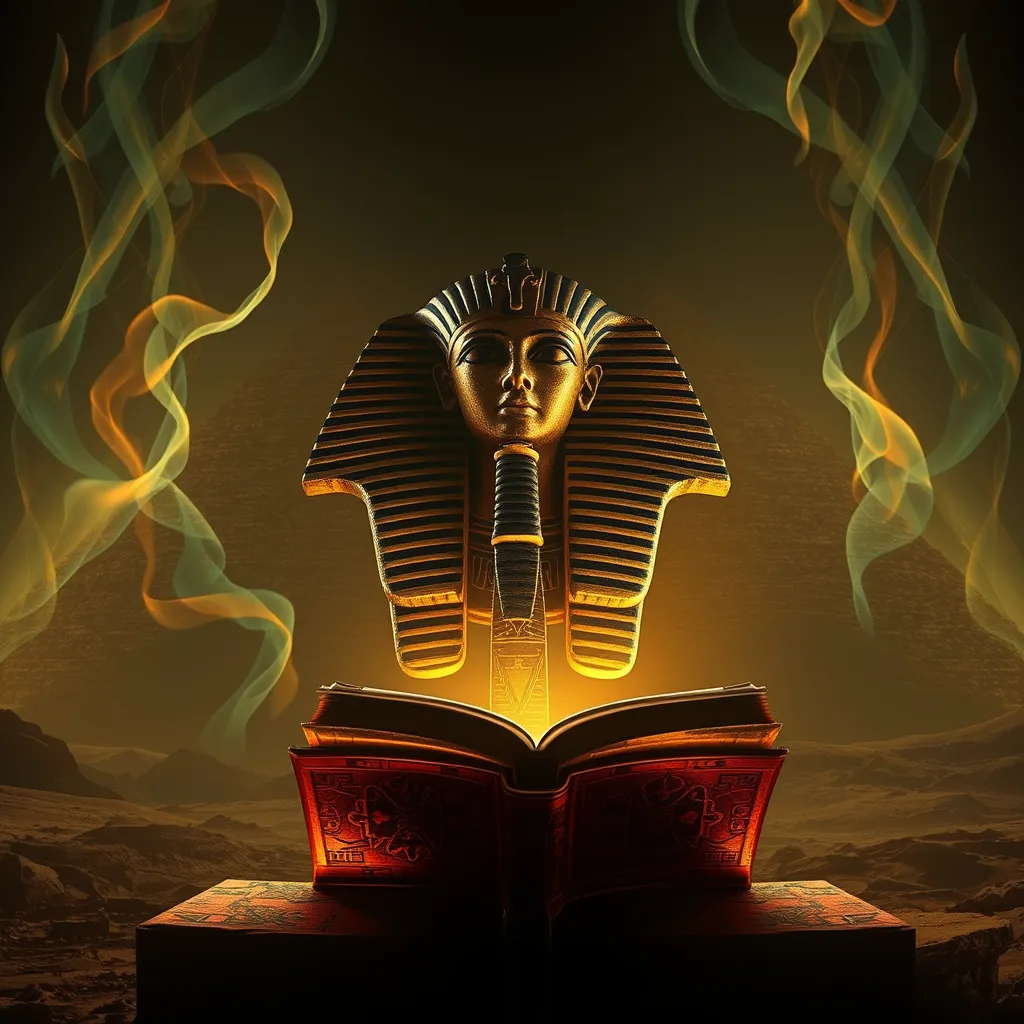
The Book of the Dead: Unveiling the Secrets of Ancient Egypt
I. Introduction to the Book of the Dead
The Book of the Dead, known in ancient Egyptian as “the Book of Coming Forth by Day,” is a collection of spells, prayers, and incantations designed to assist the deceased in navigating the afterlife. Its significance in ancient Egyptian culture cannot be overstated, as it reflects the civilization’s complex beliefs about death, spirituality, and the journey to the afterlife.
This ancient text served as a guide for the dead, providing the necessary tools to overcome obstacles, avoid malevolent beings, and ultimately attain eternal life. Understanding the Book of the Dead requires a glimpse into the historical context in which it was created, spanning from the early dynastic period through the New Kingdom of Egypt.
II. Origins and Evolution
The origins of the Book of the Dead can be traced back to the Pyramid Texts, which were inscribed on the walls of royal tombs during the Old Kingdom (c. 2686–2181 BCE). These texts were primarily reserved for pharaohs and contained spells that ensured their safe passage to the afterlife. As time progressed, the Coffin Texts emerged during the Middle Kingdom (c. 2055–1650 BCE), democratizing access to afterlife spells for non-royal individuals.
By the New Kingdom (c. 1550–1070 BCE), the Book of the Dead took shape as a standalone funerary text. Key changes during this evolution included:
- Increased personalization of spells, allowing individuals to select which incantations would be most relevant to them.
- The introduction of illustrations and vignettes that complemented the text, enhancing its visual appeal and interpretative depth.
- Adaptation of language and content to reflect contemporary beliefs and practices surrounding death and the afterlife.
III. Structure and Contents
The Book of the Dead is typically found in scroll format, with the length varying from a few meters to over 30 meters, depending on the individual’s wealth and status. The scrolls were often made of papyrus, a plant-based writing material, and were adorned with colorful illustrations and hieroglyphs.
Within these scrolls, numerous spells and chapters can be found, each serving a specific purpose. Common elements include:
- Spells for protection against various dangers encountered in the afterlife.
- Instructions for the deceased on how to navigate the underworld.
- Prayers and offerings to deities, seeking their favor and assistance.
- Declarations of innocence, where the deceased would proclaim their good deeds before the divine tribunal.
IV. Symbolism and Imagery
The artwork accompanying the texts of the Book of the Dead is rich with symbolism and serves to enhance the messages conveyed by the written words. Illustrations often depict scenes of the afterlife, gods, and various mythological creatures.
Some key aspects of the symbolism include:
- The Ankh: A symbol of life and immortality, often depicted in the hands of deities.
- The Feather of Ma’at: Representing truth and justice, this feather plays a crucial role in the Weighing of the Heart ceremony.
- Osiris: The god of the afterlife, often illustrated as a mummified figure, symbolizing resurrection and eternal life.
These symbols were not merely decorative; they conveyed spiritual and moral lessons, guiding the deceased to live a righteous life in accordance with Ma’at, the principle of cosmic order.
V. The Afterlife and Judgment
Ancient Egyptians held a profound belief in the afterlife, viewing it as a continuation of existence rather than an end. They believed that upon death, the soul would embark on a journey through the underworld, facing various trials and tribulations.
One of the most significant aspects of this journey was the Weighing of the Heart ceremony, where the heart of the deceased was weighed against the Feather of Ma’at. This ceremony determined the individual’s fate in the afterlife:
- If the heart was lighter than the feather, the individual was deemed worthy and allowed to enter the Field of Reeds, a paradise of eternal bliss.
- If the heart was heavier, it was devoured by Ammit, a fearsome creature, resulting in the cessation of existence.
VI. The Role of Priests and Funerary Practices
Priests played a crucial role in the preparation and interpretation of the Book of the Dead. They were responsible for writing and reciting the spells, ensuring that the deceased received the necessary guidance for their journey.
Funerary customs associated with the Book of the Dead included:
- Embalming and mummification to preserve the body for the afterlife.
- Burial rituals that involved the placement of the Book of the Dead with the deceased, along with other grave goods.
- Offerings made to the gods and the deceased to ensure their comfort in the afterlife.
VII. Modern Interpretations and Discoveries
Contemporary scholars and archaeologists have approached the Book of the Dead with a renewed interest, employing advanced technologies to decode ancient texts and uncover hidden meanings. Various discoveries have shed light on the practices and beliefs of ancient Egyptians.
Notable findings include:
- The discovery of well-preserved papyrus scrolls in tombs, providing insights into the texts used by different social classes.
- Archaeological digs revealing the contexts in which the Book of the Dead was used, enhancing our understanding of funerary practices.
- Comparative studies with other ancient cultures, highlighting the unique aspects of Egyptian beliefs about death and the afterlife.
VIII. Conclusion: The Lasting Legacy of the Book of the Dead
The Book of the Dead has left an indelible mark on modern spirituality and literature. Its themes of morality, justice, and the quest for immortality resonate across cultures and time periods. As we delve into the wisdom of this ancient text, we uncover not only the beliefs of the Egyptians but also universal truths about the human experience.
Preserving and studying the Book of the Dead is vital for future generations, as it offers a glimpse into a rich cultural heritage and a profound understanding of life, death, and what lies beyond.