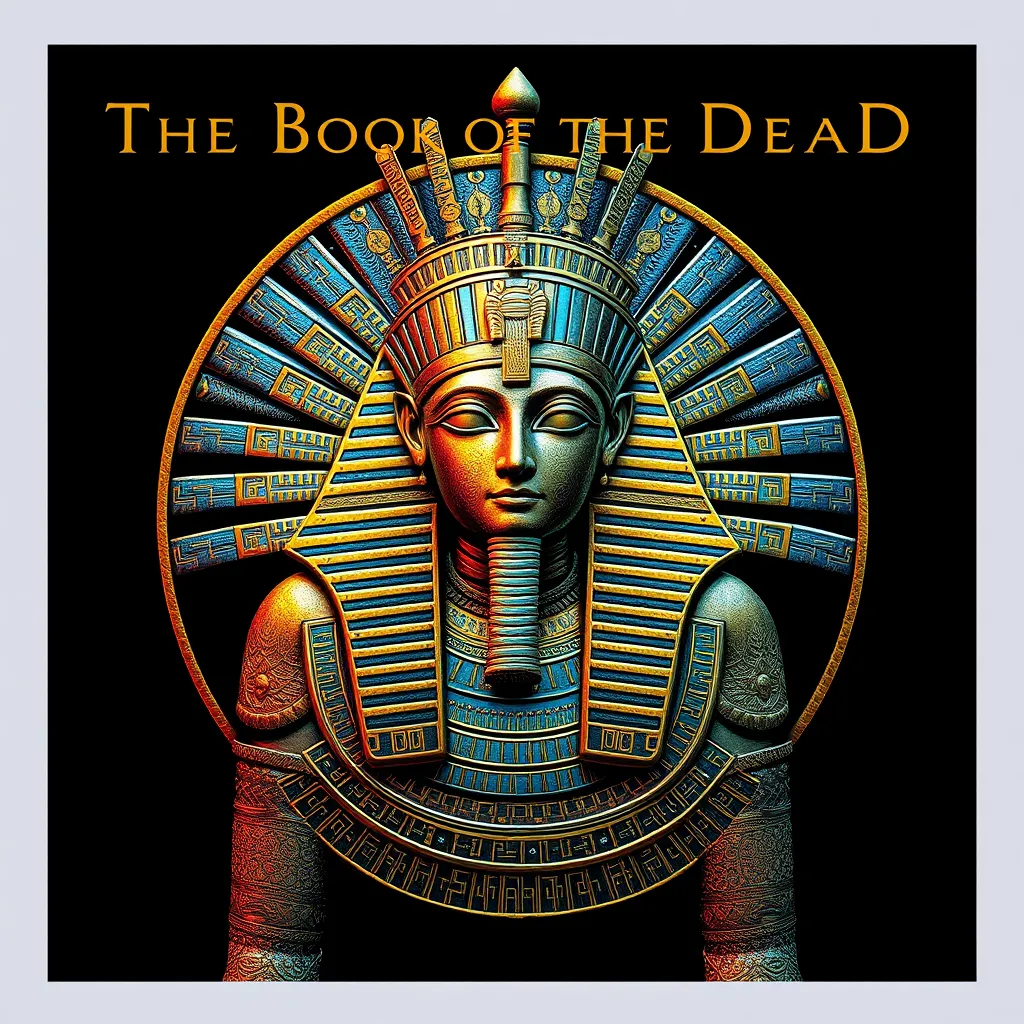
The Book of the Dead: The Myth of Isis and Osiris
I. Introduction
The Book of the Dead is one of the most significant texts from ancient Egypt, serving as a guide for the deceased navigating the afterlife. It is a collection of spells, prayers, and incantations designed to assist the soul in achieving a successful journey through the underworld and ultimately reaching the afterlife. Central to this text is the myth of Isis and Osiris, a powerful narrative that encapsulates themes of love, betrayal, death, and resurrection.
This myth holds immense significance in ancient Egyptian culture, as it reflects their beliefs about life, death, and the afterlife. It illustrates the eternal struggle between chaos and order, and the hope of resurrection that permeated Egyptian spirituality. The purpose of this article is to explore the historical context of The Book of the Dead, the characters within the myth, its themes, and its lasting influence on Egyptian religion and beyond.
II. Historical Context of The Book of the Dead
The Book of the Dead evolved over centuries, with its origins traceable to the Pyramid Texts and Coffin Texts from the Old and Middle Kingdoms, respectively. These earlier texts contained spells intended for the pharaohs and elites, providing them with guidance in the afterlife. By the New Kingdom, the Book of the Dead emerged as a more accessible compilation of spells for anyone who could afford it.
The role of The Book of the Dead in Egyptian funerary practices was paramount. It was often placed in tombs alongside the deceased to ensure they had the necessary knowledge and power to navigate the afterlife. The spells varied from simple formulas to elaborate rituals, emphasizing the importance of proper burial rites and the belief in an afterlife.
Furthermore, The Book of the Dead influenced later spiritual texts, including the Tibetan Book of the Dead and various Western esoteric traditions. Its themes of judgment, moral conduct, and the afterlife resonate across cultures, establishing a foundation for understanding human existence beyond death.
III. The Characters of the Myth
A. Isis: The goddess of magic, motherhood, and fertility
Isis is one of the most revered deities in the Egyptian pantheon, embodying the ideals of magic, motherhood, and fertility. She is often depicted with a throne-shaped crown and is associated with the moon and agricultural abundance. Her significance lies in her role as a protector of the vulnerable, a healer, and a symbol of eternal devotion.
B. Osiris: The god of the afterlife and resurrection
Osiris, the husband of Isis, is the god of the afterlife, resurrection, and regeneration. He is typically portrayed as a mummified king, holding a crook and flail, symbols of kingship and rulership. Osiris represents the cycle of life and death, and his resurrection story is central to the themes of hope and renewal in Egyptian belief.
C. Set: The antagonist in the myth
Set, the god of chaos, storms, and disorder, serves as the antagonist in the myth of Isis and Osiris. His jealousy and ambition lead him to betray Osiris, representing the disruptive forces that threaten the order of the universe. Set’s role in the myth underscores the duality of existence, where chaos and order are in constant struggle.
IV. The Story of Isis and Osiris
A. The love and marriage of Isis and Osiris
The tale begins with the deep love and commitment between Isis and Osiris. They are often depicted as the ideal couple, representing harmony and unity. Their marriage symbolizes the balance of life, fertility, and the nurturing aspects of nature.
B. The betrayal and death of Osiris by Set
However, their idyllic life is shattered when Set, in a fit of jealousy, murders Osiris. He dismembers Osiris’s body and scatters the pieces throughout Egypt. This act of betrayal signifies the triumph of chaos over order, and the death of Osiris plunges the world into despair.
C. Isis’s quest to resurrect Osiris
Driven by love and determination, Isis embarks on a perilous journey to find and reassemble the pieces of Osiris’s body. Along her journey, she encounters numerous challenges, demonstrating her resilience and ingenuity. Ultimately, she succeeds in resurrecting Osiris, who becomes the ruler of the afterlife, embodying the hope of resurrection for all souls.
V. Themes and Symbolism in the Myth
A. Themes of death, resurrection, and eternal life
The myth of Isis and Osiris is rich with themes of death and resurrection. It illustrates the belief that death is not the end, but rather a transition to another state of existence. Osiris’s resurrection symbolizes the possibility of eternal life, a core belief in ancient Egyptian spirituality.
B. Symbolism of the cycle of nature and agricultural fertility
The story also reflects the cycle of nature, particularly the agricultural seasons. Osiris is associated with the flooding of the Nile, which brings fertility to the land. His death and resurrection are metaphorical for the cycles of planting and harvest, reinforcing the connection between divine actions and natural phenomena.
C. The idea of divine justice and balance
Another significant theme is the concept of divine justice. Isis’s efforts to resurrect Osiris highlight the importance of balance in the universe. Set’s chaos is ultimately countered by Isis’s order, representing the ongoing struggle between these forces in the cosmos.
VI. The Influence of the Myth on Egyptian Religion
A. The role of Isis and Osiris in Egyptian worship and rituals
Isis and Osiris were central figures in Egyptian worship, with numerous temples dedicated to their honor. Their myth was celebrated in various rituals, particularly during the annual Osiris festivals, which reenacted the resurrection of Osiris and were vital to Egyptian religious life.
B. The impact on beliefs about the afterlife
The story of Isis and Osiris profoundly influenced Egyptian beliefs about the afterlife. The notion that Osiris represented the dead and that he could grant eternal life to others shaped the way Egyptians viewed death. The hope for resurrection became a fundamental belief, prompting elaborate burial practices to ensure a successful transition to the afterlife.
C. Legacy of the myth in later religious thought
The legacy of the myth of Isis and Osiris transcends ancient Egypt, influencing various religious traditions. The themes of resurrection and divine justice resonate in numerous cultures, making it a timeless narrative that continues to inspire spiritual thought.
VII. Interpretations and Adaptations through History
A. How the myth has been interpreted in different cultures
Throughout history, the myth of Isis and Osiris has been interpreted in various ways by different cultures. In Greco-Roman times, the story was adapted to fit the beliefs and values of the Hellenistic world, where Isis was venerated as a goddess of wisdom and healing.
B. Adaptations in literature and art
The myth has also inspired countless works of literature and art, from ancient sculptures and paintings to modern novels and films. Artists have drawn upon the rich symbolism and emotional depth of the story to explore themes of love, loss, and rebirth.
C. Modern relevance of the myth in contemporary spirituality
In contemporary spirituality, the themes of Isis and Osiris resonate with those seeking understanding of life, death, and the possibility of rebirth. The myth continues to be a source of inspiration for modern practitioners of various spiritual paths, emphasizing the universal quest for meaning beyond physical existence.
VIII. Conclusion
In summary, the myth of Isis and Osiris, as captured in The Book of the Dead, encapsulates critical aspects of ancient Egyptian beliefs about life, death, and the afterlife. Through the characters of Isis, Osiris, and Set, we see a rich tapestry of themes including love, resurrection, and the eternal struggle between chaos and order.
The enduring legacy of this myth highlights its importance in understanding ancient Egyptian spirituality and its influence on later religious thought. As we reflect on the powerful narrative of Isis and Osiris, we recognize its significance in shaping human understanding of existence and the profound questions surrounding life and death.