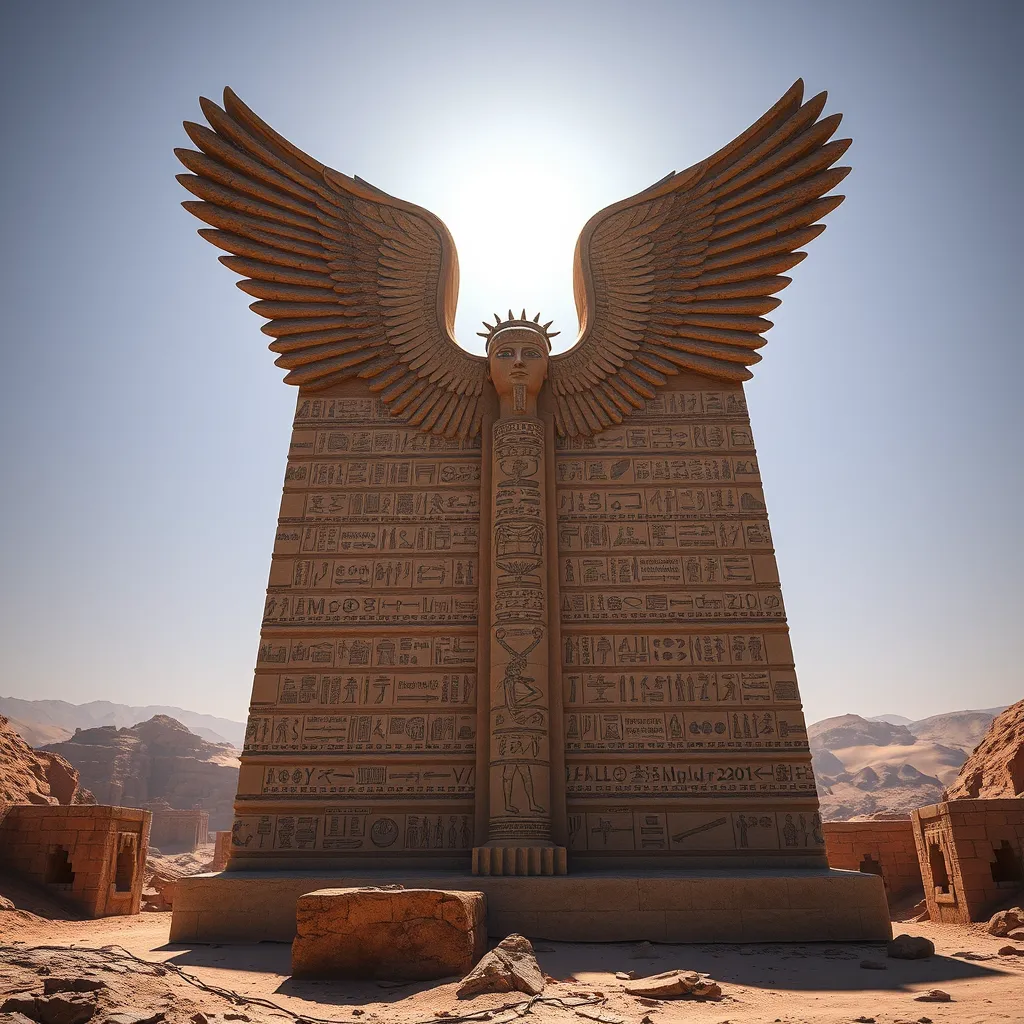
The Book of the Dead: A Verse-by-Verse Exploration
I. Introduction to The Book of the Dead
The Book of the Dead, known in ancient Egyptian as “The Book of Coming Forth by Day,” is a collection of spells, prayers, and incantations designed to guide the deceased through the afterlife. Its significance in ancient Egyptian culture cannot be overstated, as it served as a crucial tool for ensuring a safe passage into the next world.
The historical context of The Book of the Dead dates back to the New Kingdom period of ancient Egypt, around 1550 BCE, although its roots can be traced to earlier funerary texts. This compilation reflects the evolving beliefs surrounding death and the afterlife and signifies the importance of the spiritual journey undertaken by the deceased.
Its primary purpose was to assist the dead in navigating the challenges of the underworld, emphasizing themes such as resurrection, judgment, and the eternal nature of the soul. The text is rich in symbolism and offers profound insights into ancient Egyptian beliefs about life, death, and the cosmos.
II. Structure and Composition of The Book of the Dead
The Book of the Dead is predominantly found in papyrus scrolls, which vary in length and content. Typically, these scrolls were placed in tombs alongside the deceased, serving as a guide for the journey ahead.
Each scroll often includes:
- Illustrations and vignettes that depict scenes from the afterlife
- Spells organized in a sequence that follows the deceased’s journey
- Hieroglyphic script that conveys the texts’ meanings
Key symbols frequently encountered in The Book of the Dead include the ankh (symbol of life), the scarab beetle (representing rebirth), and various deities associated with the afterlife.
Variations across different versions and manuscripts of The Book of the Dead exist, leading to unique interpretations and adaptations of the text. Some versions may contain additional spells or different illustrations that reflect the personal beliefs of the deceased or their family.
III. Major Themes and Concepts
One of the central themes of The Book of the Dead is the journey of the soul after death. It portrays a perilous path, filled with trials and tribulations that the deceased must overcome to achieve eternal life.
Another crucial concept is the judgment of the deceased, famously depicted in the Weighing of the Heart ceremony. Here, the heart of the deceased is weighed against the feather of Ma’at, the goddess of truth and justice. This highlights the importance of living a virtuous life.
The significance of spells and incantations cannot be overlooked, as they serve as protective and guiding forces. These spells address various aspects of the afterlife, including:
- Protection from malevolent beings
- Assistance in overcoming obstacles
- Ensuring sustenance and comfort in the afterlife
IV. Verse-by-Verse Analysis: Key Passages
The opening lines of The Book of the Dead set the tone for the entire work, emphasizing the importance of knowledge and preparation for the afterlife. These lines often invoke the name of Osiris, the god of the afterlife, establishing the connection between the deceased and the divine.
A detailed breakdown of selected spells reveals their intricate nature. For instance, Spell 125, which describes the Weighing of the Heart, is one of the most famous passages. It outlines the process of judgment and the critical nature of the heart as a reflection of one’s deeds in life.
Other pivotal passages provide insights into the nature of the afterlife, the responsibilities of the deceased, and the role of divine beings in guiding souls. Each verse carries deep symbolic meanings that reflect the values of ancient Egyptian society.
V. The Deities and Spiritual Beings in The Book of the Dead
Major gods and goddesses play vital roles throughout The Book of the Dead. Osiris, the god of the afterlife, symbolizes resurrection and eternal life, while Anubis, the god of mummification, oversees the process of embalming and the journey of the deceased.
Interactions between the deceased and these divine figures are essential to the text’s narrative. The deceased often invokes the names of gods for protection, assistance, and guidance, emphasizing the belief in a supportive afterlife community.
Protective spirits and guides also feature prominently, reflecting the ancient Egyptians’ belief in a network of spiritual assistance available to aid souls in their journey.
VI. The Cultural Impact of The Book of the Dead
The Book of the Dead had a profound influence on ancient Egyptian burial practices and rituals. It shaped the way the deceased were prepared for burial, with specific spells recited during the mummification process to ensure a successful journey into the afterlife.
Its legacy extends beyond ancient Egypt, influencing later religious and philosophical thought. Concepts of judgment, the afterlife, and the soul’s journey resonate in various cultures and religions throughout history.
In modern times, The Book of the Dead has been interpreted and adapted in literature and art, inspiring works that explore themes of death and the afterlife.
VII. The Book of the Dead in Contemporary Scholarship
Archaeological discoveries and translations of The Book of the Dead have unveiled new insights into ancient Egyptian beliefs and practices. Many manuscripts have been found in tombs, providing a wealth of information about their funerary customs.
Current debates in Egyptology often revolve around the interpretations of specific spells and the cultural significance of various symbols. Scholars continue to analyze the text, uncovering its meanings and implications for our understanding of ancient cultures.
Technology plays a crucial role in studying ancient texts. Digital imaging and 3D scanning techniques allow researchers to examine fragile papyrus scrolls without damaging them, leading to new discoveries and interpretations.
VIII. Conclusion: The Enduring Legacy of The Book of the Dead
In summary, The Book of the Dead offers a profound exploration of ancient Egyptian beliefs about death and the afterlife. Its themes of judgment, resurrection, and spiritual guidance resonate deeply with our understanding of human existence.
Reflecting on its relevance today, The Book of the Dead continues to inspire curiosity and respect for ancient cultures, inviting us to ponder our own beliefs about mortality and the afterlife.
Future directions for research in this field are promising, as scholars continue to uncover the mysteries of The Book of the Dead, revealing more about the complexities of ancient Egyptian thought and their enduring legacy.