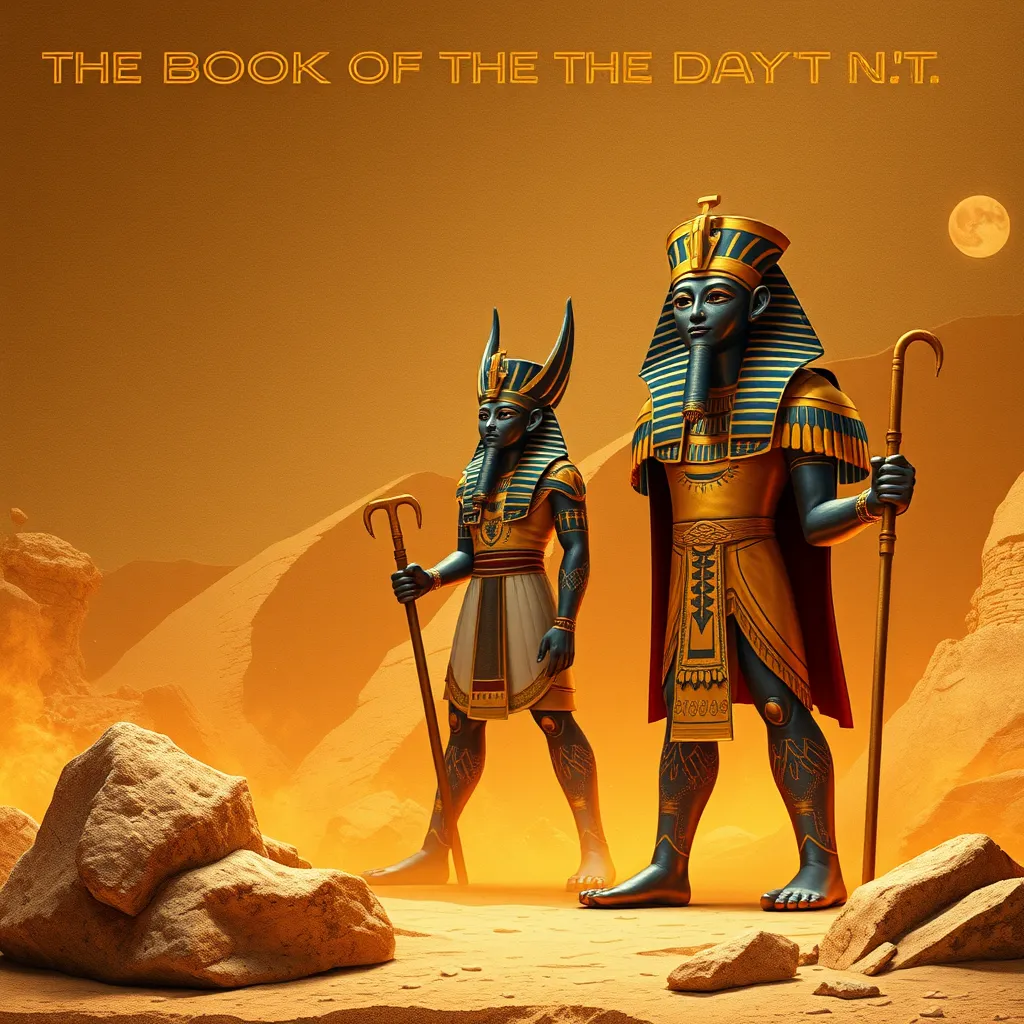
The Book of the Dead: A Guide to the Ancient Egyptian Gods
I. Introduction to The Book of the Dead
The Book of the Dead, known in Ancient Egyptian as “Coming Forth by Day,” is a crucial text that provides insight into the spiritual beliefs and practices surrounding death and the afterlife in Ancient Egyptian culture. It serves as a guide for the deceased, helping them navigate the challenges of the afterlife and attain eternal life.
This text was written on papyrus scrolls and placed in tombs, allowing the deceased to access the spells and prayers contained within. Its significance lies not only in its religious implications but also in its role as a cultural artifact that reflects the values, fears, and aspirations of Ancient Egyptian society.
II. Historical Context
The origins of The Book of the Dead can be traced back to the Pyramid Texts of the Old Kingdom, which were inscribed in the tombs of kings. Over time, these texts evolved into more accessible forms, leading to the creation of The Book of the Dead during the New Kingdom (circa 1550-50 BCE).
Key historical periods include:
- Old Kingdom: The foundations of Egyptian funerary texts were laid.
- Middle Kingdom: The texts became more standardized and accessible to non-royal individuals.
- New Kingdom: The Book of the Dead reached its most developed and widespread form.
The text significantly influenced Ancient Egyptian religion by shaping their understanding of the afterlife, instilling a sense of morality, and underscoring the importance of living a just life to ensure a favorable judgment after death.
III. Structure and Content of The Book of the Dead
The structure of The Book of the Dead varies among different papyrus scrolls, but it generally consists of a series of spells, prayers, and hymns. These texts are organized into chapters, each addressing specific aspects of the afterlife journey.
Common elements found in The Book of the Dead include:
- Spells: These are designed to protect the deceased from dangers in the afterlife.
- Prayers: They invoke the favor of the gods and seek assistance in the afterlife.
- Hymns: These celebrate the gods and the virtues of the deceased.
Variations in different copies of The Book of the Dead reflect regional beliefs, personal preferences of the deceased, and the evolving nature of Egyptian spirituality throughout history.
IV. The Role of Gods in The Book of the Dead
The Book of the Dead features numerous deities, each playing a vital role in the afterlife. Major gods included in the text are central to the journey of the deceased, providing guidance, judgment, and protection.
Functions and attributes of these gods include:
- Osiris: As the god of the afterlife, he presides over the judgment of the deceased.
- Anubis: The guardian of the dead, he ensures safe passage and protection during the journey.
- Ra: The sun god, representing creation and rebirth, he illuminates the path for the deceased.
- Ma’at: The goddess of truth, her feather is used to weigh the heart of the deceased against the principles of truth and justice.
The relationships between these gods and the deceased are complex, emphasizing the interconnectedness of life, death, and the divine.
V. Key Deities Explored
To better understand the significance of The Book of the Dead, let’s explore some key deities in detail:
A. Osiris: The God of the Afterlife
Osiris is perhaps the most significant figure in The Book of the Dead. He represents resurrection and eternal life. Depicted as a mummified king, he presides over the judgment of souls, determining who is worthy of entering the afterlife.
B. Anubis: The Guardian of the Dead
Anubis, depicted with a jackal head, oversees the embalming process and protects tombs. He guides souls through the underworld and ensures that they are judged fairly.
C. Ra: The Sun God and Creator
Ra’s journey across the sky symbolizes the cycle of life and death. He provides light and warmth, essential for the rebirth of the deceased. In The Book of the Dead, Ra is often invoked for protection and guidance.
D. Ma’at: The Goddess of Truth and Justice
Ma’at represents the moral order of the universe. Her feather is crucial during the judgment process, as the heart of the deceased is weighed against it. A light heart signifies a life lived in accordance with Ma’at’s principles.
VI. Symbolism and Imagery
The Book of the Dead is rich in symbolism and imagery, which plays a crucial role in conveying its messages. The visual elements are not merely decorative but serve a deeper purpose in the context of Ancient Egyptian beliefs.
Common symbols associated with the gods and the afterlife include:
- Ankh: The symbol of life, often depicted with the gods.
- Scarabs: Representing transformation and rebirth.
- Lotus: Symbolizing creation and the emergence of life.
Interpretations of these symbols reveal the values and beliefs surrounding the afterlife, emphasizing themes of renewal, protection, and the quest for immortality.
VII. The Legacy of The Book of the Dead
The Book of the Dead has left an indelible mark on later religious texts and practices. Its influence can be seen in various cultures and religions that explore concepts of the afterlife and morality.
Modern interpretations and adaptations of The Book of the Dead include:
- Research and studies in Egyptology.
- Artistic representations in literature, film, and visual arts.
Archaeological discoveries, such as well-preserved papyri and tombs, continue to shed light on the practices and beliefs of Ancient Egyptians, allowing contemporary society to appreciate their rich spiritual heritage.
VIII. Conclusion
The Book of the Dead serves as a profound testament to the significance of the gods in Ancient Egyptian culture. It illustrates their beliefs about the afterlife, morality, and the interconnectedness of all life. The enduring impact of these beliefs is reflected in modern culture, where themes of life, death, and the quest for meaning continue to resonate. The legacy of The Book of the Dead not only enriches our understanding of Ancient Egypt but also invites reflection on our own beliefs about existence and the afterlife.