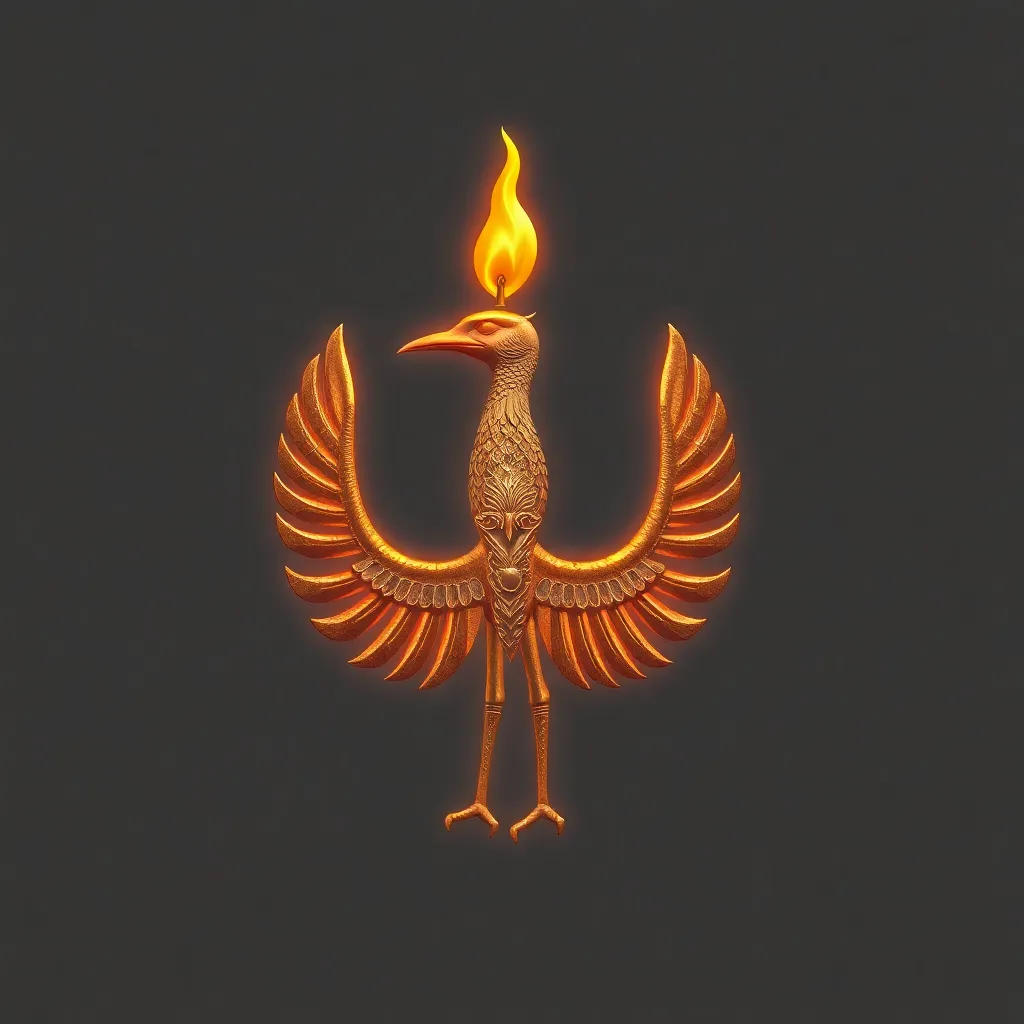
The Bennu Bird: A Representation of the Eternal Flame
I. Introduction
The Bennu Bird, a mythical creature from Ancient Egyptian mythology, holds a significant place in the pantheon of Egyptian symbolism. Often associated with the sun, rebirth, and the eternal flame, the Bennu symbolizes not just renewal but also the cyclical nature of life. This article aims to explore the historical context, symbolism, and cultural significance of the Bennu Bird, while also reflecting on its relevance in modern times.
II. Historical Context of the Bennu Bird
The origins of the Bennu Bird are deeply rooted in Ancient Egyptian mythology, where it was often depicted as a heron or a stork. The Bennu is believed to have emerged from the primordial waters of Nun, representing the beginning of creation.
One of the most significant connections of the Bennu Bird is with the sun god Ra. In many myths, the Bennu is said to be the manifestation of Ra, symbolizing the sun’s cyclical journey across the sky and its daily rebirth at dawn. This connection emphasizes the Bennu’s role in the creation myths of Egypt, where it is often associated with themes of resurrection and the afterlife.
- Creation Myths: The Bennu Bird is said to have played a crucial role in the creation of the world, often linked with the idea of the sun rising every day.
- Resurrection Themes: The Bennu represents the eternal return of life, mirroring the cycles of nature and the sun.
III. Symbolism of the Bennu Bird
The symbolism of the Bennu Bird extends beyond mere representation; it encompasses profound themes of rebirth and renewal. As a creature that embodies the eternal flame, the Bennu signifies the unquenchable spirit of life and the promise of regeneration.
The eternal flame associated with the Bennu serves as a powerful metaphor for life cycles:
- It symbolizes the end of one phase and the beginning of another.
- The flame represents the enduring spirit that persists through death and rebirth.
When compared with other mythological symbols of immortality, such as the Phoenix in Greek mythology, the Bennu Bird shares similar attributes. Both birds embody the themes of resurrection, transformation, and the cyclical nature of existence, highlighting a universal theme across cultures.
IV. The Bennu Bird in Art and Literature
Throughout history, the Bennu Bird has been depicted in various forms of ancient Egyptian art. It often appears in temple reliefs, jewelry, and papyrus scrolls, symbolizing its importance in religious and cultural practices.
In modern literature and pop culture, the Bennu Bird continues to inspire:
- It appears in fantasy novels and films that explore themes of resurrection and immortality.
- Artistic interpretations often draw on the concept of the eternal flame, representing hope and renewal.
These artistic expressions not only reflect the enduring nature of the Bennu’s symbolism but also demonstrate how ancient myths can be reinterpreted to resonate with contemporary audiences.
V. The Bennu Bird’s Connection to Nature
The Bennu Bird is also closely linked to the Nile River, which is central to Egyptian civilization. The Nile’s annual flooding brought life to the surrounding lands, and the Bennu represents this life-giving force.
Ecologically, the Bennu Bird symbolizes the cycle of life:
- It embodies the relationship between water, fertility, and the sustenance of life.
- The cycle of the Nile reflects broader themes of renewal and sustainability in nature.
In contemporary environmental discourse, the lessons from the Bennu Bird highlight the importance of respecting natural cycles and recognizing our interconnectedness with the environment.
VI. The Bennu Bird in Modern Spirituality
In recent years, the Bennu Bird has found new interpretations in New Age beliefs and modern spirituality. It is often seen as a symbol of hope and resilience, representing the ability to rise from adversity.
Practices inspired by the Bennu’s eternal flame include:
- Meditation on renewal and personal transformation.
- Rituals that emphasize the cyclical nature of life and the pursuit of spiritual enlightenment.
This modern interpretation encourages individuals to embrace change and find strength in the face of challenges, mirroring the Bennu’s journey through death and rebirth.
VII. Conclusion
In conclusion, the Bennu Bird stands as a powerful symbol of renewal, resilience, and the eternal flame within us all. Its significance in Ancient Egyptian mythology reminds us of the cycles of life and the promise of rebirth. As we reflect on the enduring nature of the Bennu’s symbolism, we are called to embrace these themes in our own lives, fostering a spirit of renewal and hope.
VIII. Further Reading and Resources
For those interested in exploring more about the Bennu Bird and Egyptian mythology, consider the following resources:
- Books: “The Complete Gods and Goddesses of Ancient Egypt” by Richard H. Wilkinson
- Documentaries: “Egypt’s Lost Cities” – a documentary exploring ancient Egyptian history and mythology.
- Websites: Ancient History Encyclopedia and Egyptology Resources