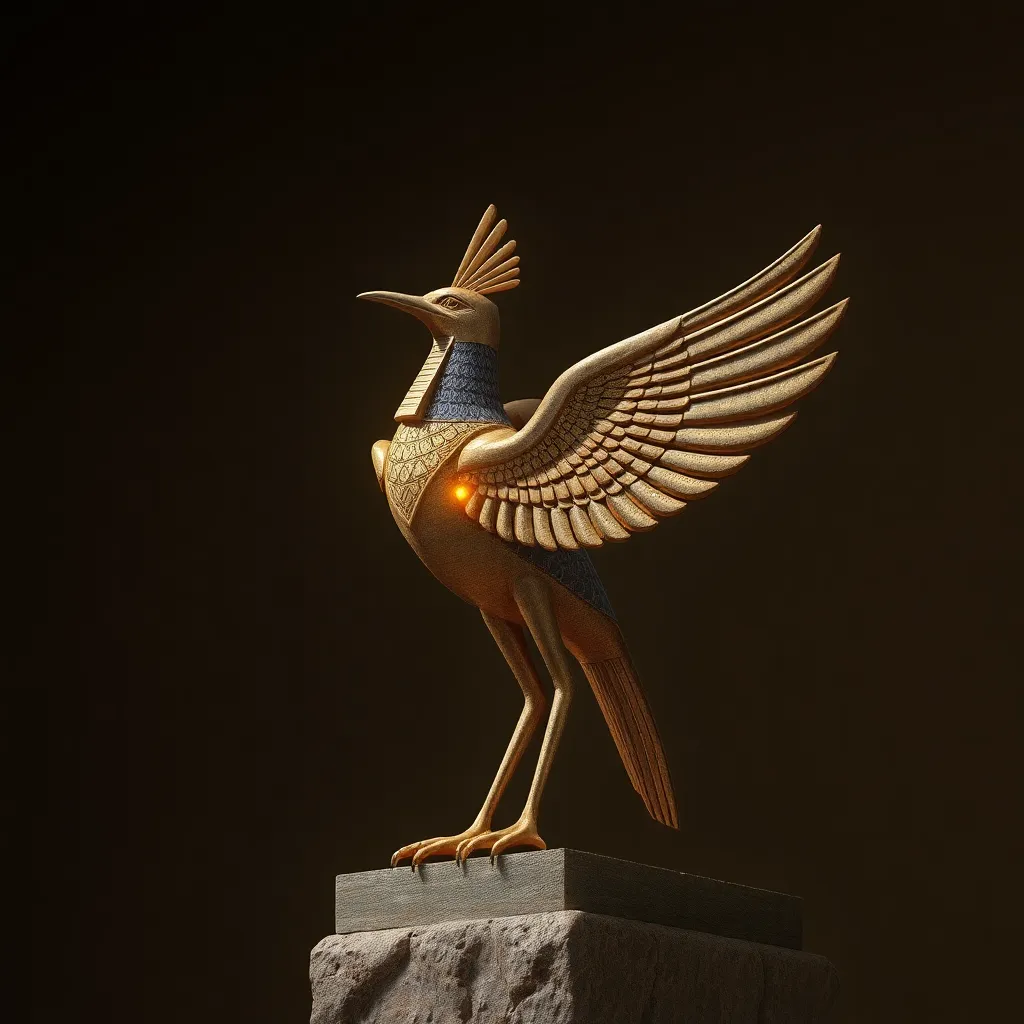
The Bennu Bird: A Mythical Figure of Transformation
I. Introduction
The Bennu Bird, often regarded as a symbol of rebirth and renewal, holds a revered place in Egyptian mythology. This mythical figure embodies the concept of transformation, a theme that resonates across various cultures and religions. Transformation, in its many forms, signifies growth, change, and the cyclical nature of life and death.
This article aims to explore the origins, characteristics, and cultural significance of the Bennu Bird, as well as its relevance to contemporary spiritual practices and personal transformation.
II. Origins of the Bennu Bird
The Bennu Bird’s roots can be traced back to ancient Egyptian mythology, where it is often linked with the sun god Ra and the creation myths of the Nile. The ancient Egyptians revered the Bennu as a divine symbol associated with the sun, resurrection, and the cyclical flooding of the Nile River, which brought fertility to the land.
In Egyptian lore, the Bennu was said to have emerged from the primordial waters of Nun, symbolizing the dawn of creation. This association with the Nile further emphasizes the bird’s significance, as the river was not only a source of life but also an integral part of the Egyptian worldview.
III. Characteristics of the Bennu Bird
The Bennu Bird is often depicted as a heron or a flamingo, characterized by its vibrant plumage and graceful demeanor. Some of its unique features include:
- A long neck and slender body
- Brilliantly colored feathers, often described as red and gold
- A distinctive call that echoes the sound of a bell or a cry of joy
In ancient art, the Bennu is frequently shown perched atop a sacred stone or a sycamore tree, a symbol of life and protection. This imagery reinforces the idea of the Bennu as a representation of renewal and rebirth, often linked to the cycle of life.
IV. The Bennu Bird and Transformation
The cycle of death and rebirth is central to Egyptian beliefs, and the Bennu Bird plays a crucial role in this concept. It is often associated with the afterlife, where the deceased are believed to undergo a process of transformation and renewal, similar to the cycles observed in nature.
In the Egyptian Book of the Dead, the Bennu is depicted as a guide for souls in the afterlife, symbolizing the hope for resurrection and eternal life. This connection with other mythical creatures, such as the Phoenix in Greek mythology, highlights the universal theme of transformation found in various cultures.
V. The Bennu Bird in Literature and Culture
Throughout history, the Bennu Bird has been referenced in numerous ancient texts and inscriptions. Its presence in literature signifies not only a connection to the divine but also serves as a metaphor for the human experience of change and growth.
In modern literature and pop culture, the Bennu continues to inspire artists and writers. Its representation can be found in:
- Fantasy novels where mythical creatures embody transformation
- Movies that explore themes of resurrection and rebirth
- Contemporary art that draws on ancient symbolism to convey modern messages
VI. The Bennu Bird and Its Symbolism Today
In contemporary spiritual practices, the Bennu Bird has taken on new meanings. It is often viewed as a powerful emblem of resilience and renewal, encouraging individuals to embrace change and transformation in their own lives. This symbolism is particularly relevant in today’s fast-paced and ever-changing world.
Furthermore, the Bennu Bird is increasingly associated with environmental themes and conservation. As we face global challenges such as climate change and habitat destruction, the Bennu serves as a reminder of the importance of renewal and the need to restore balance to our natural world.
VII. Lessons from the Bennu Bird
The story of the Bennu Bird offers valuable insights into personal transformation and growth. Key lessons include:
- The importance of embracing change as a natural part of life
- Understanding that every ending can lead to a new beginning
- Finding strength in resilience and the ability to rise from challenges
By reflecting on the Bennu’s journey, individuals can draw inspiration for their own paths of transformation and self-discovery.
VIII. Conclusion
In summary, the Bennu Bird holds a significant place in mythology and culture, symbolizing transformation, renewal, and the cyclical nature of life. Its story resonates with the human experience, reminding us of the potential for growth and change.
As we navigate our personal journeys, we can draw from the wisdom of the Bennu Bird, embracing the lessons of resilience and renewal. The ongoing relevance of transformation in our lives invites us to explore our own paths toward rebirth and self-improvement, inspired by the timeless tale of the Bennu.