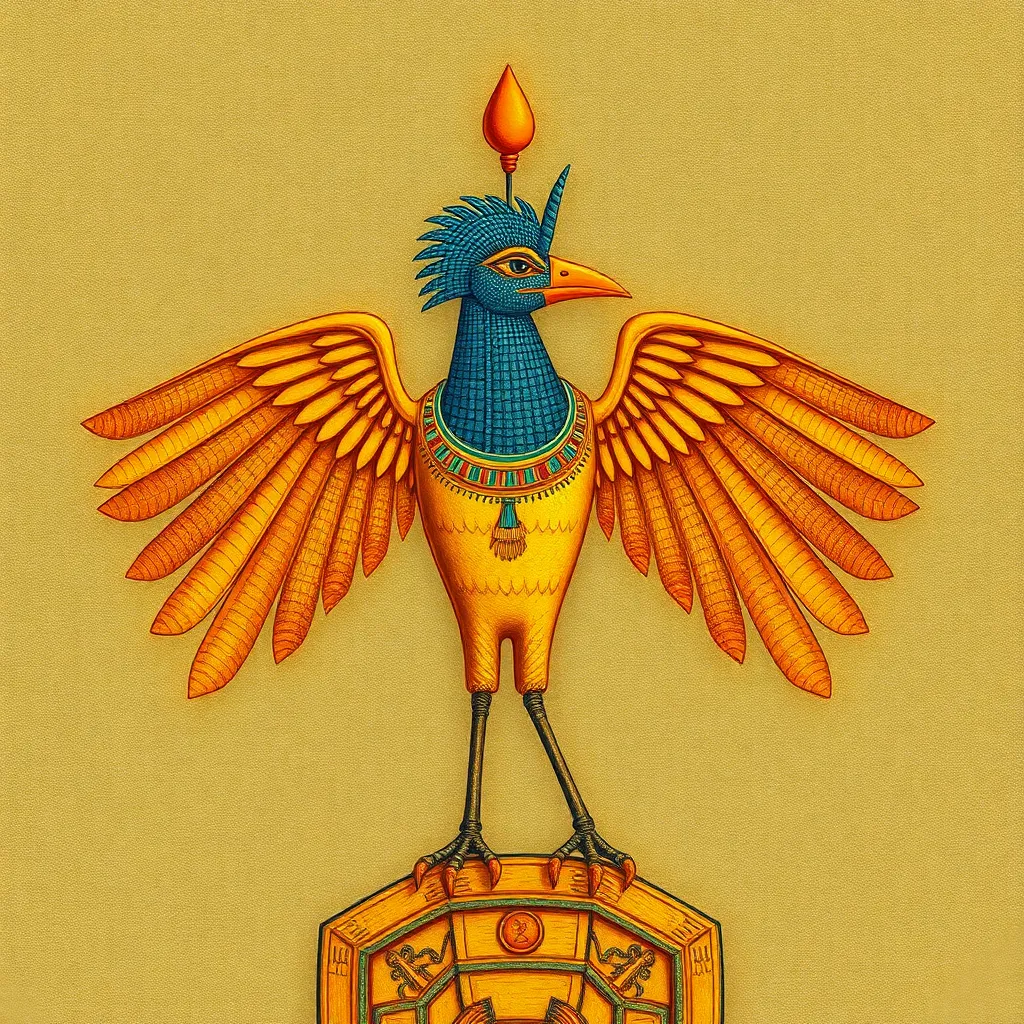
The Bennu Bird: A Cultural Reflection of Egyptian Spirituality
I. Introduction
The Bennu bird, often depicted as a heron or a phoenix-like creature, holds great significance in ancient Egyptian mythology. It symbolizes resurrection, renewal, and the cyclical nature of life and death. This article will explore the historical context, symbolism, artistic representations, religious rites, modern interpretations, and comparative analyses of the Bennu bird, highlighting its importance in Egyptian culture and spirituality.
II. Historical Context of the Bennu Bird
A. Origins of the Bennu Bird in Ancient Egyptian Texts
The Bennu bird first appears in ancient Egyptian texts around 2500 BCE. It is often associated with the city of Heliopolis, a major center of worship for the sun god Ra. The name “Bennu” is believed to derive from the Egyptian word for “to rise” or “to shine,” reflecting its connection to the sun and the concept of rebirth.
B. The Bird’s Association with the Sun God Ra and the Concept of Rebirth
In mythology, the Bennu bird was said to soar across the sky, representing the sun’s journey. It was believed to be the soul of Ra, who was reborn each day. This connection reinforced the idea of the Bennu as a symbol of resurrection, as it signified the renewal of life and the eternal cycle of existence.
III. Symbolism of the Bennu Bird
A. The Bennu as a Symbol of Resurrection and Renewal
The Bennu bird epitomizes resurrection in Egyptian thought. Its mythical life cycle involves the bird setting itself on fire and rising anew from its ashes, paralleling the daily rebirth of the sun. This powerful imagery emphasizes the belief in life after death and the potential for transformation.
B. Connections to the Cyclical Nature of Life and Death
The Egyptians viewed the Bennu as a reminder of the cyclical nature of life. Just as the sun sets and rises again, life and death are part of a continuous cycle. This belief shaped their funerary practices and the way they approached the afterlife, influencing their views on mortality and immortality.
IV. The Bennu Bird in Egyptian Art and Iconography
A. Depictions in Ancient Artifacts and Temple Reliefs
The Bennu bird is frequently depicted in ancient Egyptian artifacts, including temple reliefs and sculptures. It is often shown perched atop the sacred benben stone, a symbol of creation and rebirth. These representations highlight the bird’s spiritual importance and its connection to the divine.
B. The Role of the Bennu in Funerary Practices and Tomb Paintings
In funerary contexts, the Bennu bird appears in tomb paintings and inscriptions, symbolizing the deceased’s journey to the afterlife. It is often portrayed alongside other deities, reinforcing its role as a guide for the soul’s resurrection. The presence of the Bennu in tombs underscores the hope for eternal life and the continuation of the soul’s journey.
V. The Bennu Bird in Religious Rites and Rituals
A. Ceremonies Associated with the Bennu and Its Spiritual Significance
The Bennu bird was integral to various religious ceremonies in ancient Egypt. Rituals often included offerings to the Bennu, invoking its powers of resurrection and renewal. These ceremonies aimed to ensure the favor of the gods and the successful transition of souls into the afterlife.
B. The Bird’s Influence on the Practice of Mummification and Afterlife Beliefs
The beliefs surrounding the Bennu influenced the practice of mummification, as Egyptians sought to preserve the body for the afterlife. The bird’s association with rebirth reinforced the idea that the soul would rise again, prompting elaborate burial rituals and the construction of elaborate tombs to honor the deceased.
VI. The Bennu Bird and Modern Interpretations
A. The Bennu’s Presence in Contemporary Spirituality and Culture
In modern spirituality, the Bennu bird continues to symbolize renewal and transformation. It is often embraced in various spiritual practices that emphasize personal growth and the cyclical nature of existence. The imagery of the Bennu resonates with those seeking to overcome challenges and emerge stronger.
B. Adaptations of the Bennu Bird in Literature and Art
The Bennu bird has inspired numerous adaptations in contemporary literature and art. Writers and artists often draw parallels between the Bennu and themes of rebirth and resilience, showcasing the enduring legacy of this ancient symbol in modern narratives.
VII. Comparative Analysis: The Bennu Bird and Other Mythological Creatures
A. Similarities with the Phoenix in Various Cultures
The Bennu bird shares notable similarities with the Phoenix, a legendary creature found in various cultures. Both birds symbolize rebirth and resurrection, often depicted as rising from their ashes. This parallel highlights a universal theme of renewal across different mythologies.
B. The Bennu’s Unique Attributes within the Context of Egyptian Spirituality
Despite its similarities to the Phoenix, the Bennu bird possesses unique attributes within Egyptian spirituality. Its deep connection to the sun god Ra and the specific cultural practices surrounding it distinguish the Bennu from other mythological birds, emphasizing its integral role in ancient Egyptian beliefs.
VIII. Conclusion
In summary, the Bennu bird holds a vital place in ancient Egyptian culture, symbolizing resurrection, renewal, and the cyclical nature of life. Its representation in art, religious practices, and mythology underscores its importance in Egyptian spirituality. The enduring legacy of the Bennu continues to inspire contemporary interpretations, reflecting universal themes of rebirth and transformation that resonate across cultures and time.