The Afterlife in the Context of Egyptian Mythology
I. Introduction
The afterlife in ancient Egyptian beliefs is a profound concept that shaped the culture and rituals of one of history’s most fascinating civilizations. It was not merely a continuation of existence but a complex realm governed by spiritual laws and the principles of order and truth.
The importance of the afterlife in Egyptian culture and religion cannot be overstated. It influenced their architectural projects, artistic expressions, and everyday life, leading to the creation of elaborate burial practices and tombs designed to ensure a safe passage into the next world.
This article will explore key concepts surrounding the Egyptian afterlife, including the principle of Ma’at, the journey of the soul, the weighing of the heart, and the role of deities in the afterlife, alongside the significance of tombs and funerary practices.
II. The Concept of Ma’at
Ma’at is a central tenet in Egyptian mythology, representing the principles of order, truth, and justice. It is often depicted as a goddess with an ostrich feather, symbolizing balance and harmony in the universe.
In the judgment of souls, Ma’at plays a critical role. The deceased’s heart is weighed against her feather during the Weighing of the Heart ceremony, determining the worthiness of the soul for entry into the afterlife.
The connection between Ma’at and the afterlife is profound, as maintaining Ma’at in life was essential for achieving a favorable judgment. The ancient Egyptians believed that the universe was a reflection of this cosmic order, and any deviation could lead to chaos in both life and the afterlife.
III. The Journey to the Afterlife
Upon death, the soul embarks on a perilous journey to the afterlife. This journey is fraught with challenges and obstacles, requiring guidance and protection from various deities.
Key deities involved in this journey include:
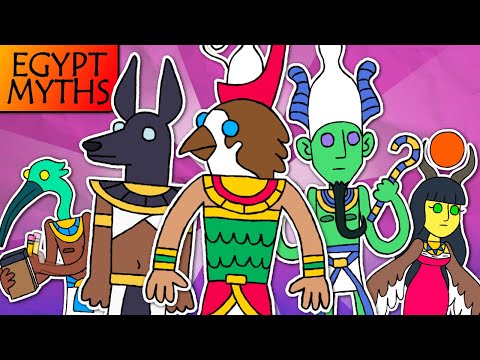
- Anubis – The god of mummification and the protector of the dead, Anubis oversees the embalming process and guides souls to the judgment hall.
- Osiris – The god of the afterlife, Osiris is the ruler of the underworld and the one who grants eternal life to the worthy.
- Isis – As the goddess of magic and healing, Isis aids in the resurrection and protection of souls.
The significance of burial practices and funerary rituals is paramount, as they were believed to facilitate the soul’s journey and ensure a successful transition to the afterlife. Elaborate tombs, along with offerings and rituals, were designed to honor the deceased and provide for their needs in the next world.
IV. The Weighing of the Heart
The Weighing of the Heart ceremony is one of the most iconic aspects of the ancient Egyptian afterlife. During this ceremony, the heart of the deceased is placed on one side of a scale, while the feather of Ma’at is placed on the other.
The symbolism is profound: the heart represents the individual’s actions and moral integrity during life, while the feather symbolizes truth and justice. A heart that is lighter than the feather indicates a life lived in accordance with Ma’at, while a heavier heart signifies a life of wrongdoing.
The outcomes of this judgment are critical:
- If the heart is lighter, the soul is granted access to the Field of Reeds, a paradise where one can live in peace for eternity.
- If the heart is heavier, the soul faces annihilation, devoured by Ammit, a fearsome creature that embodies the consequences of a life of sin.
V. The Field of Reeds (Aaru)
The Field of Reeds, known as Aaru, is depicted as an idyllic afterlife destination, often compared to the lush landscapes of Egypt itself. It is a place of abundance, peace, and eternal bliss, where the souls of the righteous can exist free from strife.
In contrast, Aaru is significantly different from other afterlife realms, such as the Duat, which is characterized by danger and challenges that souls must navigate. Aaru represents the ultimate reward for those who have lived a life of virtue.
The significance of the Field of Reeds in Egyptian culture is immense, as it embodies their hopes and aspirations for life after death. It reflects the deeply rooted belief in the possibility of rebirth and eternal life, which influenced their spiritual practices and worldview.
VI. Deities of the Afterlife
Several key deities are associated with the Egyptian afterlife, each playing unique roles in guiding and protecting souls. Some of the most important include:
- Osiris – The god of the afterlife, resurrection, and fertility. Osiris is often depicted as a mummified figure, symbolizing the cycle of life and death.
- Isis – The devoted wife of Osiris, she is revered for her magical abilities and maternal care, often depicted as a protector of the dead.
- Thoth – The god of wisdom, writing, and magic, Thoth is credited with recording the results of the Weighing of the Heart and assisting in the judgment process.
Myths and stories illustrating the significance of these deities often highlight their roles in the cycle of life, death, and rebirth, showcasing the deep spiritual connections the ancient Egyptians had with their gods.
VII. Tombs and Funerary Practices
The construction of tombs and the inclusion of burial goods were of paramount importance in ancient Egyptian society. Tombs were meticulously designed to serve as eternal homes for the deceased, filled with items they would need in the afterlife.
Various burial practices included:
- Mummification – A process that preserved the body for the afterlife, reflecting the belief in the physical body’s importance.
- Burial Goods – Items such as food, tools, jewelry, and even servants were included to provide for the deceased’s needs.
- Funerary Rituals – Ceremonies performed to honor the dead, ensuring their safe passage into the afterlife.
The role of the Book of the Dead is also significant, as this collection of spells and prayers was intended to guide the deceased through the challenges of the afterlife and ensure a favorable judgment.
VIII. Conclusion
The significance of the afterlife in Egyptian mythology is profound, reflecting a culture deeply concerned with the moral consequences of life and the quest for eternal existence. The complex interplay of deities, principles like Ma’at, and elaborate funerary practices showcases a society that revered the idea of life after death.
These beliefs have left a lasting impact on modern interpretations of life and death, influencing various cultural narratives surrounding mortality and ethics. The enduring legacy of ancient Egyptian afterlife concepts continues to resonate today, inspiring countless works of art, literature, and spiritual exploration.