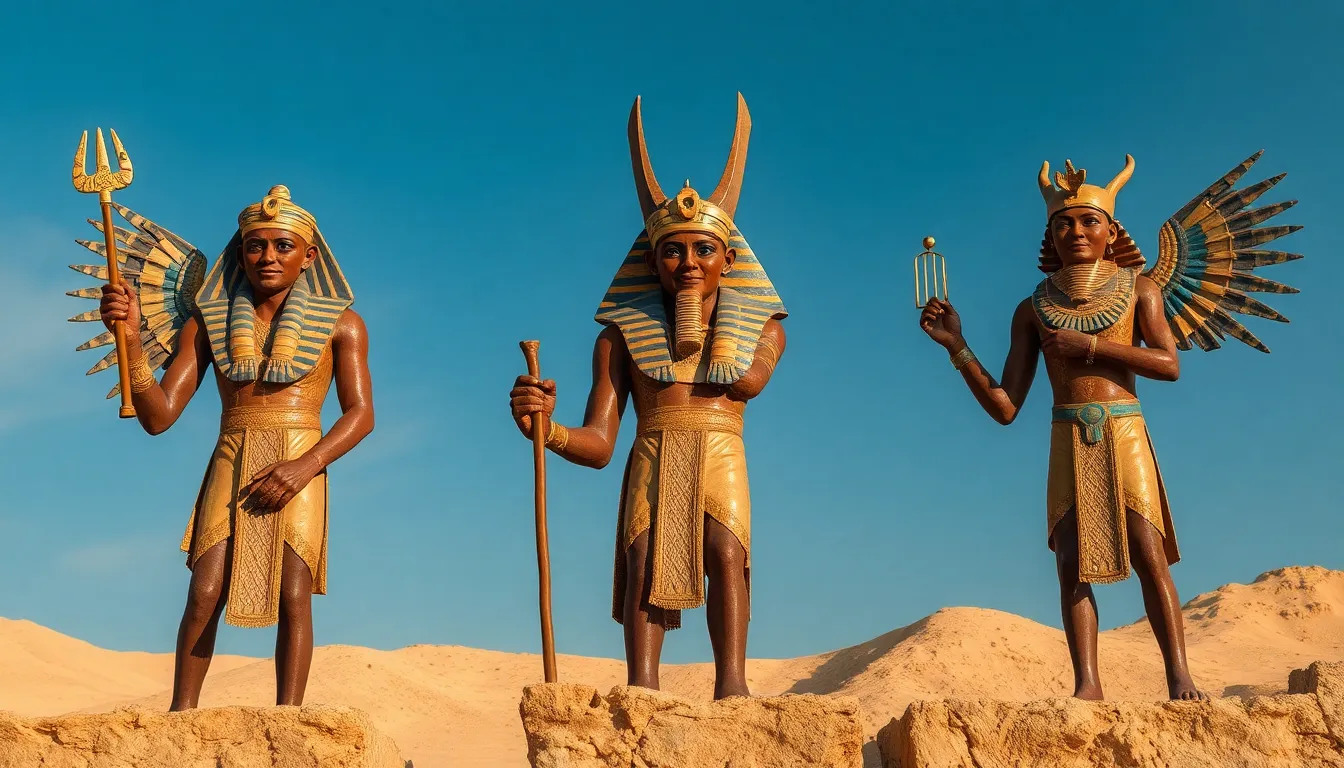
Nomes and Their Deities: The Spiritual Fabric of Ancient Egypt
I. Introduction
In the ancient Egyptian culture, the concept of Nomes represented a crucial aspect of their geographical and political landscape. Nomes were distinct administrative regions that defined local governance and cultural identity across Egypt. Each Nome was associated with specific deities that played a vital role in the spiritual life of its inhabitants.
This article explores the intricate relationship between Nomes and their deities, highlighting how these connections shaped the religious and social practices of ancient Egyptians. By understanding this relationship, we gain insight into the rich tapestry of beliefs that characterized ancient Egyptian civilization.
II. The Concept of Nomes in Ancient Egypt
Nomes functioned as the fundamental administrative divisions of ancient Egypt, with each region having its own governance, local customs, and spiritual practices. There were originally 42 Nomes in Egypt, divided into Upper and Lower Egypt.
A. Geographic and political significance of Nomes
Geographically, Nomes helped map out the landscape of Egypt, from the fertile banks of the Nile River to the arid deserts. Politically, each Nome had its own local leaders, often referred to as nomarchs, who oversaw administrative duties and maintained order.
B. The administrative structure of Nomes
- Each Nome was governed by a nomarch, who reported to the Pharaoh.
- Nomes had their own local tax systems and legal codes.
- Administrative centers often developed around significant temples dedicated to local deities.
C. How Nomes influenced local culture and religion
The division of Egypt into Nomes led to diverse cultural expressions and religious practices. Each Nome fostered a unique identity, with local customs blending into the larger Egyptian culture while retaining distinct features.
III. The Role of Deities in the Nomes
Deities played a central role in the spiritual life of each Nome. The patron deities not only represented divine protection over the region but also served as focal points for local worship and community identity.
A. Overview of prominent deities associated with Nomes
Each Nome had specific deities linked to its identity. These gods and goddesses were revered for their unique attributes and powers, often reflective of local geography, culture, and the daily lives of the people.
B. The purpose of patron deities in local worship
Patron deities served several purposes:
- They provided a sense of security and protection for the inhabitants.
- They were central to local myths and legends, reinforcing cultural narratives.
- They facilitated connections between the divine and the mundane, allowing for communication through rituals.
C. Variations in deities across different Nomes
While many deities were worshiped throughout Egypt, certain Nomes had unique associations with specific gods, leading to variations in religious practices. These variations often reflected the local environment and the needs of the community.
IV. Major Nomes and Their Patron Deities
The division of Egypt into Upper and Lower regions highlights the significance of Nomes. Each region had its own notable deities that were deeply ingrained in the local culture.
A. The significance of the Upper and Lower Egypt division
Upper and Lower Egypt were distinct in geography and culture, and this division influenced the deities that were worshiped. The Nile River served as a natural boundary, but it also connected the two regions through trade and cultural exchange.
B. Case studies of selected Nomes and their unique deities
1. Nome of Thinis and the deity Osiris
The Nome of Thinis was a significant center for the worship of Osiris, the god of the afterlife and resurrection. Osiris’s association with agriculture and fertility made him a pivotal figure in the local culture, reflecting the agrarian lifestyle of the inhabitants.
2. Nome of Memphis and the deity Ptah
Memphis, the capital of ancient Egypt at various times, was dedicated to Ptah, the god of craftsmen and architects. Ptah represented creation and order, embodying the values of a society that revered craftsmanship and artistic expression.
3. Nome of Heliopolis and the deity Ra
Heliopolis was the center for the worship of Ra, the sun god, who symbolized light, warmth, and growth. Ra’s cult was crucial to the understanding of the cosmos and the cycles of life, cementing the significance of Heliopolis in Egyptian spirituality.
V. Rituals and Festivals Celebrated in Honor of Nomes and Deities
Rituals and festivals were essential in honoring the deities associated with each Nome. These celebrations fostered community spirit and reinforced cultural identity.
A. Description of key rituals linked to Nomes
Rituals varied by Nome but often included offerings, prayers, and processions. Local temples were the focal points for these activities, where priests would conduct ceremonies to appease the deities.
B. Festivals and their roles in the community and religious life
Festivals often marked agricultural cycles, religious observances, and royal celebrations:
- The Opet Festival celebrated the annual flooding of the Nile, essential for agriculture.
- The Sed Festival honored the Pharaoh’s reign and was a time for renewal.
C. Seasonal celebrations and agricultural cycles
Seasonal celebrations were intricately tied to the agricultural calendar, with rituals designed to ensure a bountiful harvest. The timing of these celebrations was crucial to the survival of communities that depended on the land.
VI. The Interplay Between Nomes, Deities, and Daily Life
The influence of local deities permeated daily life, affecting everything from agriculture to trade.
A. How local deities influenced daily practices and beliefs
Deities were woven into the fabric of everyday life, with families often maintaining small shrines to their patron gods. Daily rituals included offerings of food and incense to ensure divine favor.
B. The impact of deities on agriculture, trade, and social structure
Local deities were believed to bless agricultural endeavors, while their protection was sought for trade routes. The social structure of a Nome often reflected the influence of its patron deity, with priests playing significant roles in governance.
C. Archaeological evidence of worship and devotion in Nomes
Archaeological discoveries, including temple ruins, inscriptions, and artifacts, reveal the depth of devotion and elaborate ceremonies that took place in honor of local deities. These findings highlight the profound connection between religion and daily life in ancient Egypt.
VII. The Decline of Nomes and Their Deities
Despite their significance, the system of Nomes began to decline due to various factors.
A. Factors leading to the decline of the Nome system
Administrative changes, shifting political powers, and the centralization of authority contributed to the decline of the Nome system, altering the local governance structures.
B. The impact of foreign invasions and cultural shifts
Foreign invasions, such as those by the Assyrians and Persians, disrupted traditional practices, leading to the erosion of local identities and the devaluation of local deities.
C. How the worship of local deities transformed over time
As Egypt experienced cultural shifts, the worship of local deities often merged with the pantheon of gods from dominant cultures, leading to changes in rituals and beliefs.
VIII. Conclusion
The relationship between Nomes and their deities was integral to the spiritual and cultural identity of ancient Egypt. This intricate connection shaped the religious practices and social structures of the time, leaving a lasting legacy that continues to be studied today.
Understanding the Nomes and their patron deities provides valuable insights into the complexities of ancient Egyptian civilization, offering a glimpse into how spirituality influenced daily life and community cohesion. As we explore these ancient beliefs, we appreciate the enduring impact of Egyptian spirituality on contemporary understandings of ancient civilizations.