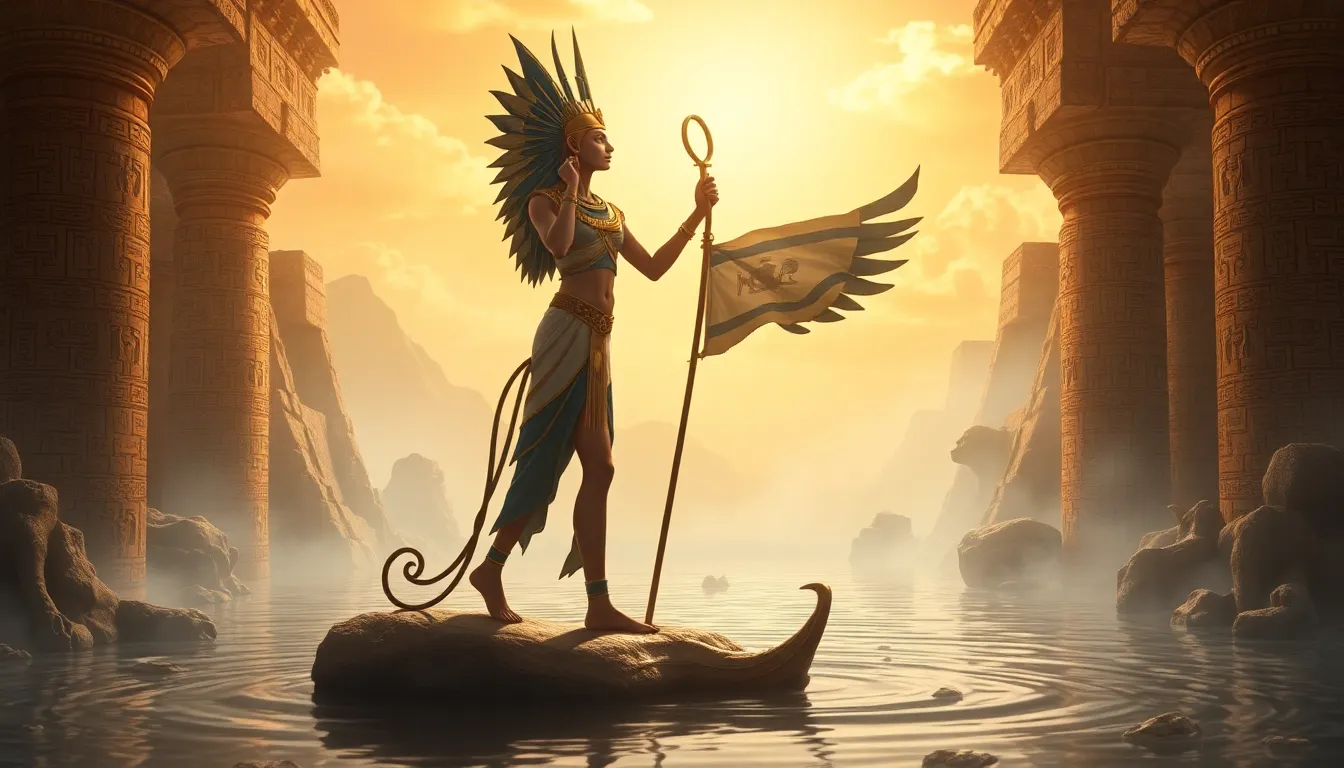
Nile and the Afterlife: Myths of Rebirth
I. Introduction
The Nile River, often referred to as the lifeblood of Egypt, holds a pivotal place in the cultural and spiritual landscape of Ancient Egyptian civilization. Not only was it a source of sustenance and agriculture, but it also served as a vital symbol in the belief systems surrounding life, death, and rebirth. In Egyptian mythology, the concept of the afterlife is deeply intertwined with the cycles of the Nile, representing renewal and continuity beyond mortal existence.
This article aims to explore the intricate myths of rebirth associated with the Nile, examining how this majestic river influenced the beliefs and practices surrounding the afterlife in Ancient Egypt.
II. The Nile as a Symbol of Life and Fertility
The Nile River’s significance in Ancient Egypt cannot be overstated. It was the primary source of water in an otherwise arid landscape, making it essential for agriculture and sustenance. The river’s annual flooding brought nutrient-rich silt that allowed crops to flourish, symbolizing life and fertility.
- Agricultural Significance: The flooding of the Nile, known as the inundation, was a critical event that dictated the agricultural calendar. It ensured bountiful harvests of crops such as wheat and barley, which were staples in the Egyptian diet.
- Symbol of Renewal: The cyclical nature of the flooding and retreating waters represented a constant cycle of death and rebirth, mirroring the life cycles of the Egyptians themselves.
- Cultural Practices: Festivals and rituals were often celebrated in alignment with the Nile’s cycles, reinforcing the connection between the river and the agricultural bounty it provided.
III. Egyptian Creation Myths and the Nile
Creation myths in ancient Egypt often highlight the Nile’s role as a primordial force. One of the most significant deities associated with the Nile is Hapi, the god of the annual flooding, who personified fertility and abundance.
These narratives often depict the Nile as a source from which life sprang forth, connecting the concepts of creation and rebirth:
- Hapi and Fertility: Hapi was revered for the nourishment he provided through the Nile’s waters, essential for life.
- Creation Myths: In some myths, the Nile was viewed as a cosmic river that existed before the creation of the world, emphasizing its centrality to existence itself.
- Connection to Rebirth: The cyclical flooding of the Nile mirrored the cyclical nature of life and death, reinforcing the idea of rebirth in the afterlife.
IV. The Journey to the Afterlife
The Nile also played a crucial role in funerary practices, symbolizing the journey from life to the afterlife. The river was often seen as a barrier and a passage, necessary for the deceased to reach the afterlife.
- Funerary Significance: The bodies of the deceased were often transported along the Nile in elaborate funerary boats, embodying the belief that the river facilitated the transition to the afterlife.
- Field of Reeds: In the afterlife, the “Field of Reeds” was envisioned as a paradise where the souls of the righteous could dwell, reminiscent of the lush banks of the Nile.
- Myths of the Journey: Many myths describe the journey across the Nile as a necessary passage before entering the realm of Osiris, the god of the afterlife.
V. Deities Associated with Rebirth and the Nile
Key deities in Egyptian mythology, such as Osiris, Isis, and Horus, are closely associated with themes of rebirth and the Nile.
- Osiris: As the god of the afterlife, Osiris was often depicted as emerging from the Nile, symbolizing resurrection and eternal life.
- Isis: The goddess of magic and motherhood, Isis played a crucial role in the resurrection of Osiris, further linking the themes of rebirth to the river.
- Horus: The son of Osiris and Isis, Horus represents the living pharaoh and is associated with kingship and renewal, embodying the cycle of life.
VI. Rituals and Practices Related to the Nile and the Afterlife
Funerary rituals in Ancient Egypt were intricately linked to the Nile, with many practices designed to ensure a successful afterlife. Rituals conducted along the river were believed to be vital for the deceased’s journey.
- Burial Practices: The placement of offerings in the Nile and the rituals performed ensured that the deceased had provisions for their journey.
- Offerings and Ceremonies: Ceremonies were often held along the banks of the Nile, where offerings were made to the gods to secure favor for the deceased.
- Successful Afterlife: The Nile was seen as a facilitator of a successful transition to the afterlife, reinforcing the belief in renewal and rebirth.
VII. Artistic Representations of the Nile and Rebirth Myths
The themes of the Nile and rebirth are prevalent in Ancient Egyptian art and iconography. Artistic representations provide invaluable insights into how these beliefs were visualized and understood.
- Tomb Paintings: Many tombs feature intricate paintings depicting the Nile, the journey to the afterlife, and the lush paradise of the Field of Reeds.
- Artifacts: Items such as amulets and sculptures often depict gods associated with the Nile, emphasizing their role in rebirth myths.
- Contemporary Influence: These artistic representations have influenced modern perceptions of Ancient Egyptian beliefs, shaping our understanding of their culture and spirituality.
VIII. Conclusion
The Nile River’s integral role in Egyptian mythology extends beyond mere sustenance; it embodies the very essence of life, death, and rebirth. The myths surrounding the Nile and the afterlife highlight a profound understanding of the cycles of existence that resonate deeply within the human experience.
As we reflect on these ancient beliefs, we see how they continue to influence modern culture, reminding us of the intricate relationship between nature, mythology, and our quest for meaning in life and death. The Nile, as a symbol of renewal, remains a testament to the enduring legacy of Ancient Egyptian spirituality.