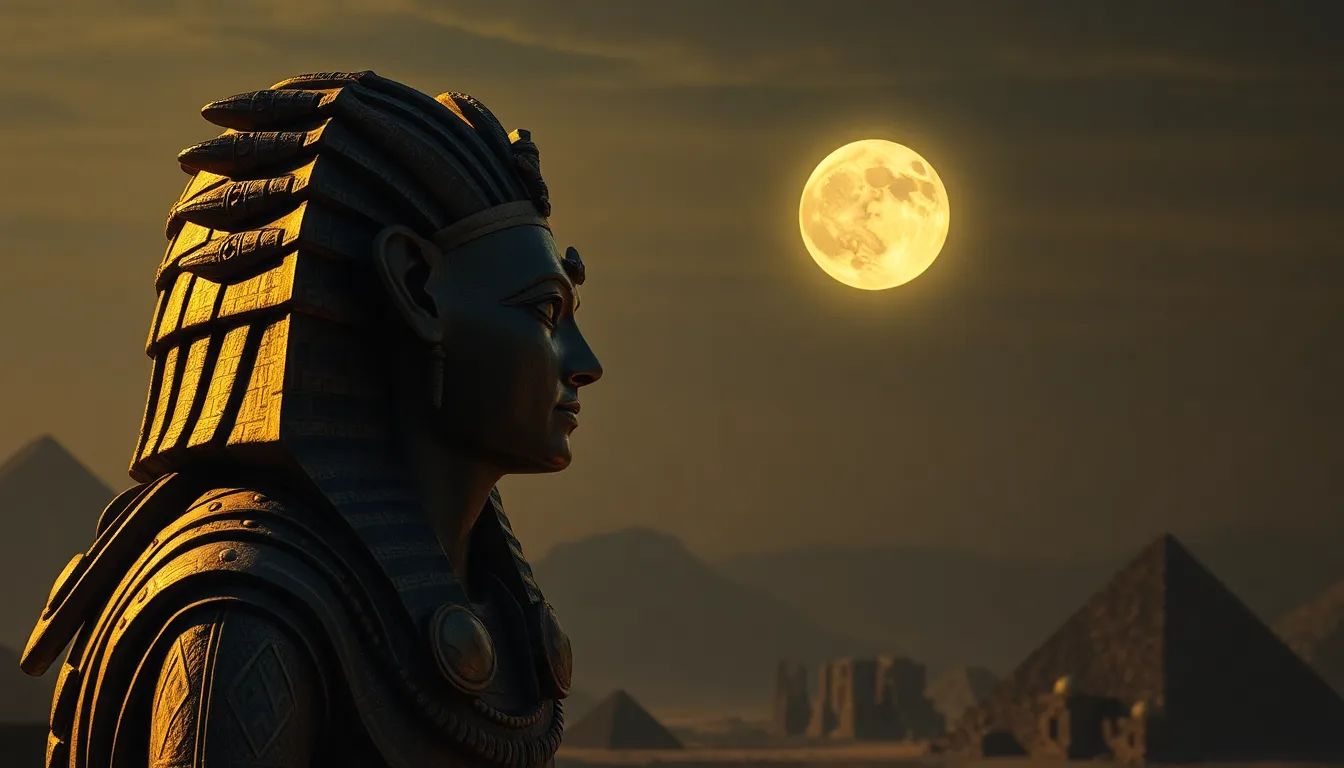
Myths of the Moon: Stories of Transformation and Change
I. Introduction
The Moon has captivated human imagination across cultures and epochs, serving as a symbol of mystery and transformation. Its luminescence has inspired countless myths and legends, reflecting humanity’s desire to understand the cycles of life and the nature of change. This article explores the transformative stories associated with the Moon, revealing how these myths can offer insights into our own experiences of growth and metamorphosis.
II. The Moon in Ancient Mythology
Throughout history, the Moon has been represented in various forms in different cultures, embodying a range of meanings and attributes. From the serene goddess of the night to a powerful symbol of change, the Moon has played a crucial role in mythology worldwide.
A. Overview of the Moon’s representation in different cultures
Many cultures have revered the Moon, seeing it as a celestial body that influences tides, emotions, and agricultural cycles. Its phases have been linked with fertility, femininity, and the cyclical nature of life.
B. Key deities associated with the Moon
- Selene: In Greek mythology, Selene is the goddess of the Moon, often depicted driving her chariot across the night sky.
- Luna: The Roman counterpart of Selene, Luna embodies the Moon’s beauty and mystery.
- Tsukuyomi: In Japanese mythology, Tsukuyomi is a moon god associated with the night and the transformation of darkness into light.
C. The Moon as a symbol of femininity and fertility
The Moon is often seen as a feminine symbol, representing the cyclical aspects of life, such as menstruation and motherhood. Its phases mirror the stages of womanhood, from maiden to mother to crone, illustrating the transformative nature of femininity.
III. Lunar Phases and Their Symbolism
The lunar cycle, lasting approximately 29.5 days, consists of various phases, each symbolizing different aspects of life and transformation.
A. Explanation of the lunar cycle and its phases
The primary phases of the Moon include:
- New Moon: Symbolizing new beginnings and potential.
- Waxing Crescent: Signifying growth and intention.
- Full Moon: Representing culmination and illumination.
- Waning Crescent: Associated with release and reflection.
B. Symbolic meanings of new moon, full moon, and waning phases
Each phase of the Moon carries its own significance:
- The New Moon is a time for setting intentions and planting seeds for the future.
- The Full Moon brings clarity and completion, often illuminating what needs to be addressed.
- The Waning Moon encourages letting go of what no longer serves us, making space for new growth.
C. How these phases relate to personal transformation and growth
As individuals, we can harness the energy of these lunar phases to guide our personal transformations, aligning our goals with the natural rhythms of the universe.
IV. Myths of Transformation: Tales from Around the World
Various cultures have myths that highlight the transformative power of the Moon, illustrating its role in guiding change.
A. Greek myths: Persephone and the cycle of seasons
The myth of Persephone illustrates the deep connection between the Moon, seasons, and transformation. Her descent into the underworld each winter and return each spring symbolizes the cycle of death and rebirth, akin to the lunar phases.
B. Native American stories: the Moon as a guide for change
Many Native American tribes view the Moon as a spiritual guide, offering wisdom during periods of transition. Stories often depict the Moon as a maternal figure, nurturing and guiding individuals through change.
C. Asian folklore: the Moon as a catalyst for personal metamorphosis
In various Asian cultures, the Moon is seen as a powerful force for personal change. Folktales often involve characters who undergo significant transformations during the Moonlit nights, reflecting inner growth and renewal.
V. The Moon and the Concept of Time
The Moon has profoundly influenced how societies perceive time, shaping calendars and rituals around its cycles.
A. The Moon’s influence on calendars and timekeeping
Many ancient civilizations based their calendars on lunar cycles, with months defined by the phases of the Moon. This connection to time emphasizes the Moon’s role in marking significant events and transitions.
B. Myths surrounding the Moon’s relationship with time and change
Myths often depict the Moon as a keeper of time, guiding humanity through cycles of existence and reminding us of the inevitable changes that come with it.
C. The impact of lunar cycles on human behavior and rituals
Research suggests that lunar phases can influence human behavior, emotions, and even fertility cycles, reinforcing the Moon’s integral role in our lives and rituals.
VI. The Moon in Modern Culture
Today, the Moon continues to inspire artists, writers, and spiritual seekers, maintaining its status as a symbol of transformation.
A. Contemporary interpretations of lunar myths
Modern interpretations of lunar myths often emphasize self-discovery and personal empowerment, encouraging individuals to embrace their own transformative journeys.
B. The Moon’s role in literature, art, and music as a symbol of change
From poetry to paintings, the Moon serves as a muse for creatives, symbolizing the beauty and complexity of change.
C. The resurgence of interest in lunar spirituality and its transformative power
In recent years, there has been a growing interest in lunar spirituality, with many people turning to the Moon for guidance and inspiration in their personal transformations.
VII. Scientific Perspectives on the Moon’s Influence
While myths abound regarding the Moon’s power, scientific inquiry has sought to understand its actual effects on Earth and humanity.
A. Overview of scientific studies on the Moon’s effects on Earth
Studies have shown that the Moon influences tides, animal behavior, and even human sleep patterns, establishing its tangible effects on our world.
B. Myth versus reality: debunking common misconceptions
Despite popular beliefs, many myths about the Moon’s influence, such as its effect on human mental health, lack substantial scientific backing.
C. The Moon’s role in inspiring curiosity about transformation in the natural world
The Moon’s presence in the night sky continues to fascinate us, inspiring curiosity and wonder about the transformative processes in nature.
VIII. Conclusion
The Moon has long held a prominent place in human mythology, symbolizing transformation and change. Its stories resonate with our experiences of growth, reminding us of the cyclical nature of life.
As we reflect on the personal significance of lunar stories today, we are encouraged to embrace the transformative power of the Moon. By aligning ourselves with its cycles, we can navigate our own journeys of change and renewal.