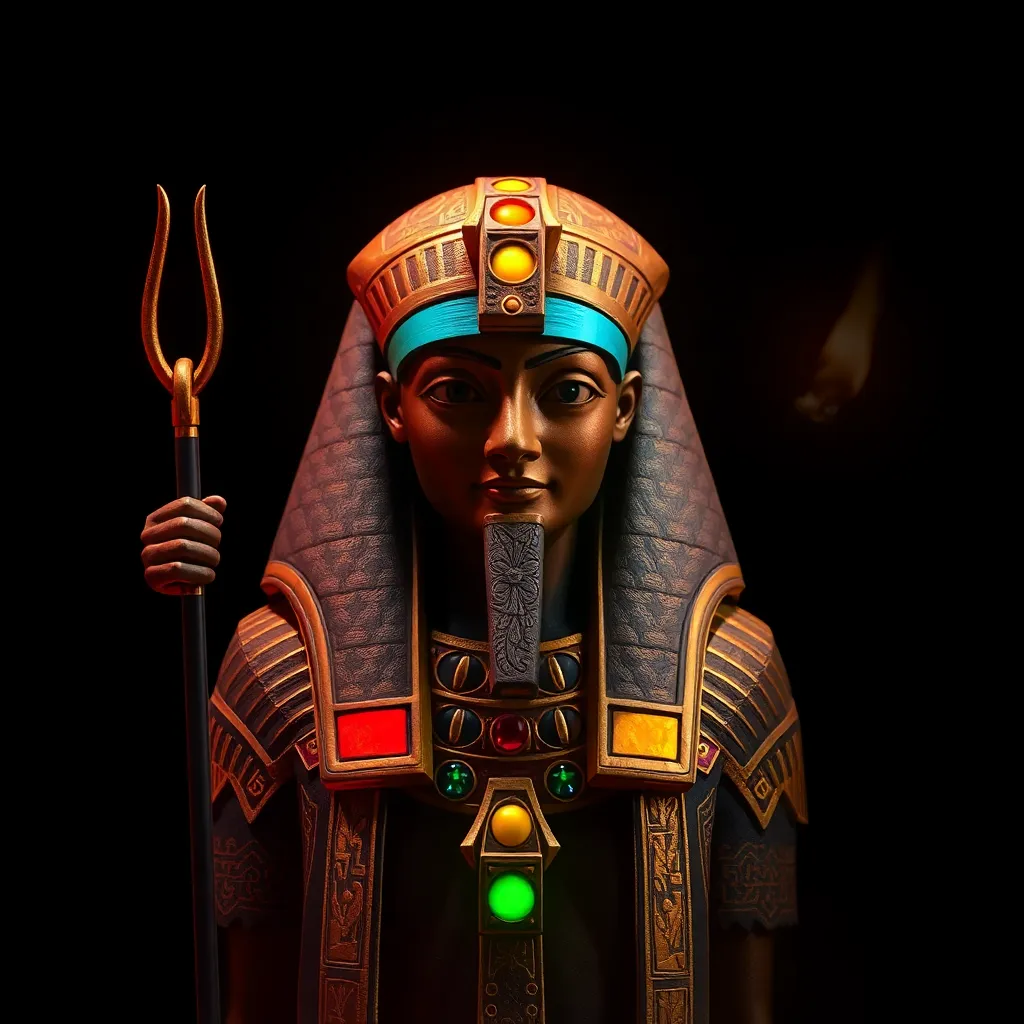
Heka and the Use of Ritual Colors in Ancient Egypt
I. Introduction to Heka
Heka, in ancient Egyptian culture, is a term that encompasses both a deity and the concept of magic itself. The word “Heka” translates to “magic” and signifies the power of the spoken word, which was believed to invoke the divine. Heka was worshipped as a god who personified magic and healing, playing a vital role in the spiritual and practical lives of the ancient Egyptians.
This article will explore the significance of Heka, particularly focusing on the ritual colors associated with his practices. These colors were not merely decorative; they held deep psychological and spiritual meanings, influencing rituals and everyday life in ancient Egypt.
II. The Role of Heka in Ancient Egyptian Society
Heka was revered as the god of magic and healing, integral to the Egyptian pantheon. His influence extended beyond religious practices; it permeated daily life and governance. Here are some key aspects of Heka’s role in society:
- Heka as the God of Magic: Heka was believed to possess immense power over magic, enabling both divine and earthly interventions.
- Influence on Daily Life: Heka’s magic was invoked in various aspects of life, from healing ailments to ensuring successful harvests.
- Connection to the Pharaoh: The Pharaoh, viewed as a divine intermediary, utilized Heka’s magic to assert authority and maintain harmony in the kingdom.
III. Understanding Ritual Colors in Ancient Egypt
Color held significant meaning in ancient Egyptian culture, serving as a form of communication with the divine. Each color symbolized different concepts and emotions, deeply intertwined with spiritual beliefs. The psychological and spiritual significance of colors included:
- Symbolism: Colors were used to signify various aspects of life, nature, and the divine.
- Psychological Effects: Colors influenced emotions and mindsets, playing a role in rituals and practices.
- Connection to the Gods: Different gods were associated with specific colors, reinforcing their identities and attributes.
IV. Major Ritual Colors and Their Associations
Ancient Egyptians used a palette of colors, each with distinct associations:
- Red: Represented power and chaos, often used for protection against evil.
- Blue: Symbolized fertility and rebirth, closely associated with the Nile River and life-giving waters.
- Green: Denoted life and regeneration, representing vegetation and rebirth.
- White: Signified purity and truth, often found in rituals invoking the divine.
- Black: Represented fertility and the afterlife, symbolizing renewal and resurrection.
V. Heka and the Application of Ritual Colors in Practices
The application of ritual colors in Heka’s practices was extensive and varied:
- Magical Spells: Colors were integral in spells and incantations, enhancing their effectiveness and intention.
- Funerary Rituals: Colors played a crucial role in tomb paintings and funerary artifacts, ensuring safe passage to the afterlife.
- Amulets and Artifacts: Protective artifacts often incorporated specific colors believed to provide strength and protection.
VI. Case Studies: Ritual Colors in Heka-Related Artifacts
Several artifacts demonstrate the use of colors in Heka-related rituals:
- Artifacts: Examination of specific amulets reveals the strategic use of colors to invoke protection and healing.
- Murals and Hieroglyphics: Analyzing color choices in ancient murals highlights the symbolic nature of colors in storytelling and religious themes.
- Perception of Magic: The use of ritual colors influenced how ancient Egyptians perceived magic and healing, reinforcing their beliefs in Heka.
VII. The Legacy of Heka and Ritual Colors in Modern Egyptology
Today, the study of Heka and color symbolism continues to be relevant in Egyptology:
- Modern Studies: Scholars explore ancient practices, uncovering insights into the spiritual life of ancient Egyptians.
- Influence on Modern Practices: Ancient beliefs in magic and healing have influenced contemporary spiritual practices, demonstrating their enduring legacy.
- Preservation of Knowledge: Efforts to preserve knowledge about Heka and ritual colors contribute to a deeper understanding of ancient cultures.
VIII. Conclusion
In summary, Heka and the use of ritual colors were fundamental to ancient Egyptian spirituality. The intertwining nature of magic, color, and spirituality reveals a profound understanding of the world that ancient Egyptians possessed. As we reflect on these practices, we recognize their relevance in contemporary discussions about ancient cultures and their beliefs.
Understanding Heka and ritual colors offers valuable insights into the complexity of ancient Egyptian life and emphasizes the importance of preserving and studying these rich cultural narratives.