Heka and the Concept of Chaos and Order in Egyptian Myth
I. Introduction
Heka, an essential deity in the pantheon of ancient Egyptian mythology, embodies the mystical forces of magic and medicine. His name translates to “magic” or “to be powerful,” highlighting his significance not only as a god but also as a critical component of Egyptian belief systems. This duality of chaos and order profoundly influenced how the ancient Egyptians understood the universe and their place within it.
In ancient Egyptian thought, the concepts of chaos (Isfet) and order (Ma’at) were fundamental to maintaining cosmic harmony. Chaos represented disorder and chaos, while order signified balance, truth, and structure. This article aims to delve into the multifaceted role of Heka within these themes, exploring his significance in rituals, creation myths, and the afterlife.
II. Defining Heka: The God of Magic and Medicine
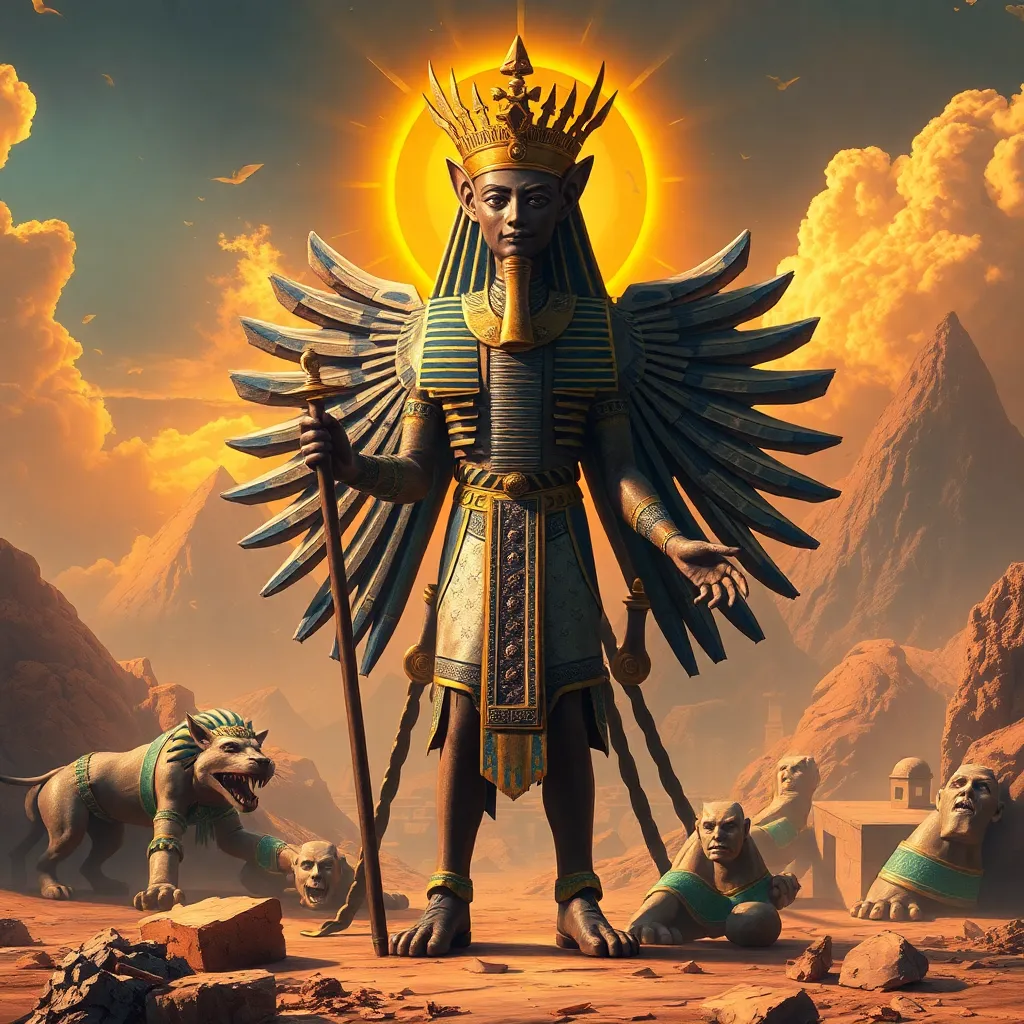
Heka is often depicted as a man with a sidelock of youth and a pharaoh’s crown or as a figure with a serpent on his head. This imagery encapsulates his association with both vitality and the protective aspects of magic. As a primordial force, Heka existed even before the creation of the world and was instrumental in the unfolding of the cosmos.
In Egyptian religion, Heka served as a guardian of both medical knowledge and magical practices. He was believed to possess the power to heal and protect, making him an integral part of daily life. People invoked Heka’s name in their prayers and rituals, seeking his blessing for health and protection.
Symbolically, Heka represents the intertwining of magic and medicine. He is often associated with the ankh, the symbol of life, as well as other magical artifacts. His presence underscores the belief that magic was a natural force that could be harnessed for both good and ill.
III. The Duality of Chaos and Order
In Egyptian thought, chaos is represented by Isfet, the force that embodies disorder, confusion, and evil. In contrast, Ma’at symbolizes truth, balance, and cosmic order. The ancient Egyptians believed that the universe operates on a delicate balance between these two opposing forces. Maintaining this equilibrium was crucial for the stability of the cosmos and society.
Heka played a vital role in mediating this balance. Through magic, he could invoke the forces of order to combat chaos. The ancient Egyptians viewed the act of casting spells and performing rituals not merely as superstition but as a means of restoring harmony in a world constantly threatened by chaos.
IV. Creation Myths and the Emergence of Order
Egyptian creation myths tell a rich narrative of how the world emerged from primordial chaos. One of the most prominent stories involves the god Atum, who created himself and brought forth the first gods. This act of creation was seen as the establishment of order from chaos, a theme prevalent in many myths.
Heka’s involvement in these narratives is profound. As a primordial force, he was present at the moment of creation, aiding the gods in their endeavors to establish order. His magical power facilitated the transition from chaos to order, allowing the cosmos to take shape.
The transition from chaos to order in these myths emphasizes the significance of Heka as a mediator. Without his influence, the forces of chaos could overwhelm the nascent order, disrupting the balance necessary for life.
V. Heka in Rituals: Bringing Order to Chaos
Heka’s role in rituals was paramount in ancient Egyptian society. Magical practices were deeply embedded in their culture, and many rituals invoked Heka to combat chaos. From healing spells to protective incantations, Heka’s presence was felt in various aspects of life.
- Role of Heka in Magical Practices: Heka was invoked in rituals aimed at healing, fertility, and protection. Priests and practitioners would often recite spells to call upon his power.
- Use of Spells and Incantations: Spells were crafted to bring about specific outcomes, such as warding off evil or ensuring a safe journey through life.
- Case Studies of Specific Rituals: One notable ritual involved the use of Heka’s name to protect the pharaoh during his journey into the afterlife, emphasizing his role as a guardian of order.
VI. Heka and the Afterlife: Order Beyond Death
Heka’s significance extended into funerary practices, where he was seen as a protector of the deceased. The journey to the afterlife was fraught with chaos, and Heka’s magic was essential for ensuring a safe passage.
The interplay between chaos and order was evident in the afterlife beliefs of the ancient Egyptians. The deceased had to navigate challenges posed by chaotic forces, often represented by malevolent entities. Heka’s protective functions were invoked to safeguard the soul as it traversed the realm of the dead.
In tombs, symbols and texts dedicated to Heka were included to provide protection and ensure a favorable judgment in the afterlife. His presence was believed to facilitate the transition from the chaotic realm of death to the ordered afterlife.
VII. The Legacy of Heka in Modern Interpretations
The legacy of Heka continues to resonate in contemporary understandings of chaos and order. Modern spirituality often draws upon ancient practices, incorporating Heka’s principles into rituals aimed at achieving balance and harmony in life.
Heka’s influence is also evident in popular culture and literature, where themes of magic, healing, and the struggle between chaos and order are explored. His character serves as a reminder of the timeless human pursuit of balance amidst life’s uncertainties.
VIII. Conclusion
In summary, Heka’s importance in the context of chaos and order is profound. As the god of magic and medicine, he embodies the duality that permeates ancient Egyptian mythology. The concepts of chaos and order remain relevant, influencing not only ancient beliefs but also modern interpretations of balance and harmony.
The enduring impact of Heka and the principles of chaos and order continue to inspire discussions about the human experience, reflecting our ongoing quest for stability in a world often filled with uncertainty.