Pharaohs and the Divine
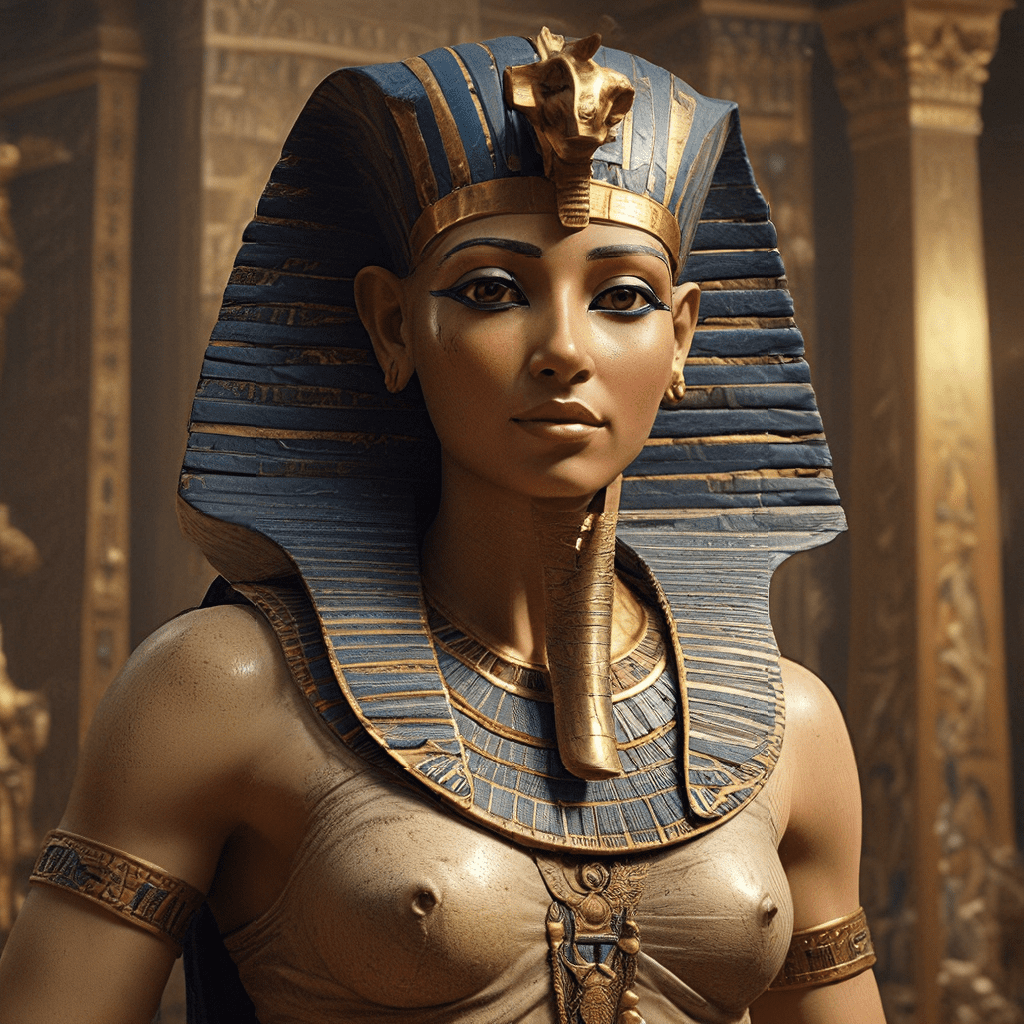
In ancient Egypt, the pharaoh wasn’t just a ruler; he was a god-king. This belief, known as the divine right of kings, meant the pharaoh was chosen by the gods to rule. He was believed to be the earthly embodiment of Horus, the god of kingship, and Ra, the sun god, giving him immense power and authority.
The pharaoh’s connection to the gods was crucial in maintaining order and stability in society. The people believed that the pharaoh’s divine status allowed him to act as a bridge between the human and divine worlds. He was responsible for ensuring the well-being of his people and maintaining harmony between the natural world and the gods. This meant overseeing everything from the annual flooding of the Nile, vital for agriculture, to protecting the land from enemies.
Many artifacts, such as statues and temple reliefs, depict pharaohs in the form of gods. These representations reinforced the pharaoh’s divinity and served as a reminder to the people of his power and connection to the gods. The pharaoh’s image was often associated with symbols of divine power, such as the sun disk, the Eye of Horus, and the ankh, signifying life and eternity.
The Royal Tombs: A Window into the Afterlife
For the ancient Egyptians, death wasn’t the end. They believed in an afterlife and that their tombs were essential for the journey of the soul. The tombs served as resting places for the pharaoh’s body and as a storehouse for everything they would need in the afterlife.
The construction of royal tombs was a complex and meticulous process. Each tomb was carefully designed and decorated with intricate paintings, hieroglyphs, and sculptures. These elements were meant to guide the pharaoh’s soul through the afterlife and provide for their needs in the realm of the dead. The tombs were filled with treasures, including gold jewelry, precious stones, and ceremonial objects. These artifacts represented the pharaoh’s power and wealth and ensured their comfort and status in the afterlife.
The tomb paintings, for example, often depict scenes from the afterlife, such as the Judgment of Osiris, where the deceased’s heart is weighed against a feather. These visual narratives helped the pharaoh navigate the challenges of the underworld and provided hope and guidance for their eternal journey.
The Power of Symbols: Decoding the Mythological Messages
Ancient Egyptian artifacts were often adorned with symbols that held deep religious and mythological significance. These symbols weren’t just decorative; they conveyed important messages about the gods, the afterlife, and the cosmos. Understanding these symbols is key to deciphering the ancient narratives embedded within these objects.
The scarab beetle, for instance, was a symbol of rebirth and resurrection. This was due to the beetle’s habit of rolling dung balls, representing the sun’s journey across the sky. The scarab was often depicted in amulets and jewelry, signifying the hope of a new life after death. The ankh, a symbol shaped like a cross with a loop at the top, represented life, eternity, and the power of the gods. It was frequently depicted in tomb paintings and sculptures, signifying the hope for a continued existence in the afterlife.
The Eye of Horus, a powerful symbol of protection and royal power, was often worn as an amulet to ward off evil and ensure good health. It also represented the pharaoh’s divine authority, showcasing his connection to the god Horus and his role as a protector of the land.
The Gods and Goddesses: Shaping the Universe and Human Lives
The ancient Egyptian pantheon was vast and complex, with gods and goddesses representing different aspects of nature, human life, and the afterlife. The most important gods were part of the Ennead, a group of nine deities who ruled over the universe and its creation. These included Ra, the sun god, responsible for light and life; Osiris, the god of the underworld and the afterlife; Isis, the goddess of magic and motherhood; and Horus, the god of kingship and protection.
Egyptian artifacts offer a glimpse into the stories and beliefs associated with these gods. Statues and temple reliefs depict the gods in various forms and roles, highlighting their power and influence. For example, Anubis, the jackal-headed god of the dead, was often portrayed in funerary rituals, guiding the deceased through the afterlife.
The gods were believed to play a significant role in shaping human lives. They were invoked for protection, guidance, and fertility. The people offered prayers, rituals, and offerings to appease the gods and gain their favor. Artifacts like amulets and scarabs were believed to hold the power of the gods and offer protection and good fortune.
The Stories Behind the Artifacts: Unraveling Ancient Narratives
Within the ancient Egyptian artifacts, we find echoes of myths and legends that provide insight into their beliefs and values. These stories were passed down through generations, shaping their understanding of the world, the cosmos, and the afterlife. By examining these artifacts, we can piece together the narratives that gave meaning to their lives.
One of the most well-known Egyptian myths is the story of Osiris, the god of the underworld. Osiris was murdered by his brother, Seth, but was resurrected by his wife, Isis. This myth represents the cycle of life, death, and rebirth and offers hope for a continued existence after death. The myth of Ra, the sun god, provides a cosmic explanation for the world’s creation. Ra emerged from the primordial waters, bringing light and order to the universe. The story of Horus and Seth, the god of chaos, reflects the eternal struggle between good and evil, a theme that resonates across cultures and time.
The artifacts, with their intricate symbols and depictions, serve as visual representations of these myths, bringing them to life and offering a window into the ancient Egyptian worldview.
The Role of Magic and Ritual in Everyday Life
Magic and ritual were deeply ingrained in ancient Egyptian society. The people believed in the power of magic to protect themselves from harm, influence the gods, and even control the forces of nature. Amulets and talismans were worn for protection against evil spirits, illness, and misfortune. These amulets were inscribed with symbols and spells, believed to hold the power of the gods and ward off danger.
Rituals played a vital role in connecting with the gods and seeking their favor. Offerings of food, drink, and precious objects were made at temples and shrines, hoping to appease the gods and receive blessings. The pharaoh, as the divine king, presided over many important rituals, such as the annual flooding of the Nile, ensuring the well-being of the land and its people.
Divination, seeking guidance from the gods, was also an important part of Egyptian culture. The priests consulted oracles through various methods, including interpreting dreams, reading the entrails of animals, and using the stars. The gods’ will was believed to be revealed through these divinations, influencing decisions about important matters like war, agriculture, and the pharaoh’s reign.
The Legacy of Egyptian Mythology
The myths, legends, and artifacts of ancient Egypt offer a rich glimpse into a civilization that thrived for over three millennia. Their complex belief system, with its focus on the afterlife, the power of the gods, and the importance of ritual, continues to fascinate and inspire people today. The enduring legacy of Egyptian mythology is reflected in art, literature, and popular culture, reminding us of the enduring power of stories and their ability to connect us to the past.
The exploration of ancient Egyptian artifacts and their connection to mythology offers a unique opportunity to understand a civilization that shaped our world. It reminds us of the power of human imagination, the quest for meaning beyond the physical world, and the enduring fascination with the mysteries of the past.