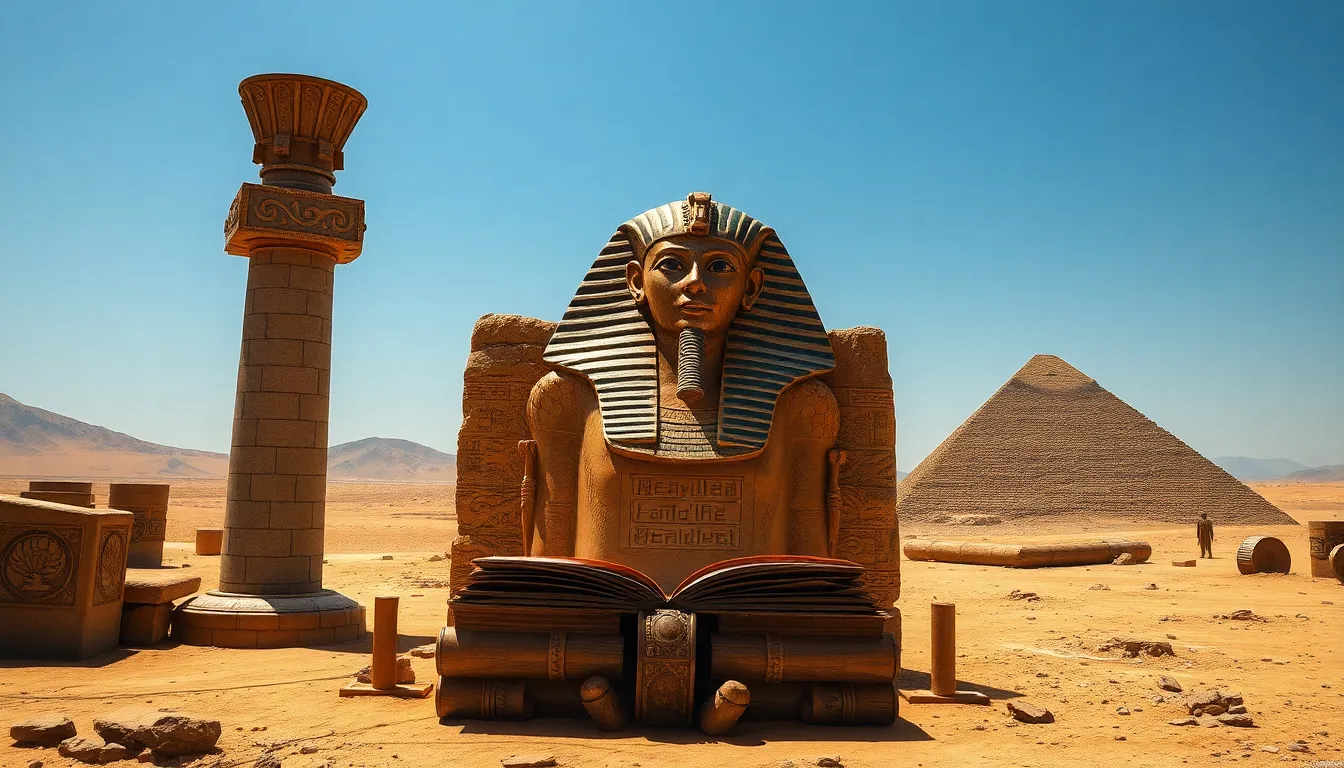
Exploring the Book of the Dead: A Guide for the Deceased
I. Introduction
The Book of the Dead, known in ancient Egyptian as the “Pert Em Heru” (meaning “The Coming Forth by Day”), is a crucial text in understanding the beliefs surrounding the afterlife in ancient Egypt. It serves as a guide for the deceased, providing instructions and spells that were intended to assist them on their journey to the afterlife.
This text holds immense importance in ancient Egyptian culture, as it reflects their complex beliefs about life, death, and what lies beyond. The Book of the Dead was not just a practical guide; it encapsulated the spiritual and moral frameworks that governed Egyptian society.
The purpose of this article is to delve into the contents of the Book of the Dead, exploring its historical context, structural elements, key themes, and the significance it held for the deceased. By understanding this ancient text, we can gain insight into the rich tapestry of Egyptian beliefs about the afterlife.
II. Historical Context
The Book of the Dead did not emerge in isolation; it evolved from earlier funerary texts that were part of the Egyptian religious tradition. Its origins can be traced back to the Pyramid Texts, which were inscribed in the tombs of pharaohs during the Old Kingdom (c. 2686–2181 BCE). These texts were primarily designed for royalty and focused on the afterlife of the king.
As time progressed, the Coffin Texts emerged during the Middle Kingdom (c. 2055–1650 BCE), expanding the scope of funerary literature to include non-royal individuals. The Book of the Dead, which developed during the New Kingdom (c. 1550–1070 BCE), synthesized elements from both the Pyramid and Coffin Texts, making it accessible to a broader audience.
The Book of the Dead played a crucial role in funerary practices, as it was often included in burial arrangements. Families commissioned copies for their deceased loved ones, ensuring they had the necessary tools for navigating the afterlife.
III. Structure of the Book of the Dead
The Book of the Dead is typically found in a scroll format, made from papyrus and adorned with vibrant illustrations. These scrolls could vary significantly in length and content, depending on the beliefs and wealth of the deceased’s family.
Key sections of the Book of the Dead include:
- Spells: These are incantations designed to help the deceased overcome obstacles in the afterlife.
- Prayers: These appeal to the gods for protection and guidance.
- Instructions: These provide practical steps for the deceased to follow to ensure a safe passage.
Different copies of the Book of the Dead may include variations in spells and illustrations, reflecting regional beliefs and personal preferences. Some copies are lavishly illustrated, while others may be more minimalistic.
IV. Key Themes and Concepts
Central to the Book of the Dead are several key themes that outline the journey of the deceased through the Duat, or the underworld. This journey is fraught with challenges and trials that the deceased must navigate.
One of the most significant concepts is the judgement of the heart, where the deceased’s heart is weighed against the feather of Ma’at (goddess of truth and justice). This weighing determines whether the soul is worthy of entering the afterlife.
Another important theme is the significance of divine protection. Various gods are called upon for guidance, ensuring that the deceased is not left to wander aimlessly in the afterlife.
V. Notable Spells and Their Purposes
The Book of the Dead contains numerous spells, each serving a specific purpose in assisting the deceased. Some notable spells include:
- Spell 125: The Weighing of the Heart—This spell is crucial for ensuring the deceased’s heart is light enough to pass judgement.
- Spell 29: The Spell for Not Dying Again—This spell provides protection against the dangers of the afterlife.
- Spell 151: Various spells aimed at ensuring safe passage through the Duat.
These spells were believed to possess powerful magic, guiding and protecting the deceased as they navigated the complexities of the afterlife.
VI. Iconography and Illustrations
Visual elements in the Book of the Dead are not merely decorative; they serve significant spiritual purposes. Illustrations often depict scenes of the deceased interacting with gods, facing trials, or receiving blessings.
Common symbols found within the Book of the Dead include:
- Ankh: The symbol of life, representing the deceased’s hope for eternal life.
- Scarab: A symbol of rebirth and transformation, often associated with the sun god Ra.
- Feather of Ma’at: Represents truth and justice, essential in the judgement process.
These illustrations enhance the text’s spiritual guidance, providing visual representation of the themes and concepts discussed within.
VII. Modern Interpretations and Relevance
The Book of the Dead continues to captivate audiences in contemporary culture, appearing in literature, films, and art. Its themes resonate with modern explorations of death, the afterlife, and the human condition.
Insights from archaeology and Egyptology have further illuminated our understanding of the Book of the Dead, revealing the complexities of ancient Egyptian beliefs and practices.
Additionally, the text’s impact on modern spiritual practices is notable, as many people draw on its teachings to reflect on their beliefs about death and the afterlife.
VIII. Conclusion
In summary, the Book of the Dead holds profound significance for the deceased in ancient Egyptian culture. It serves as a crucial guide for navigating the afterlife, reflecting the rich spiritual beliefs of the Egyptians.
The enduring legacy of the Book of the Dead invites us to explore ancient Egyptian beliefs about life and death, encouraging further investigation into the text and its teachings.