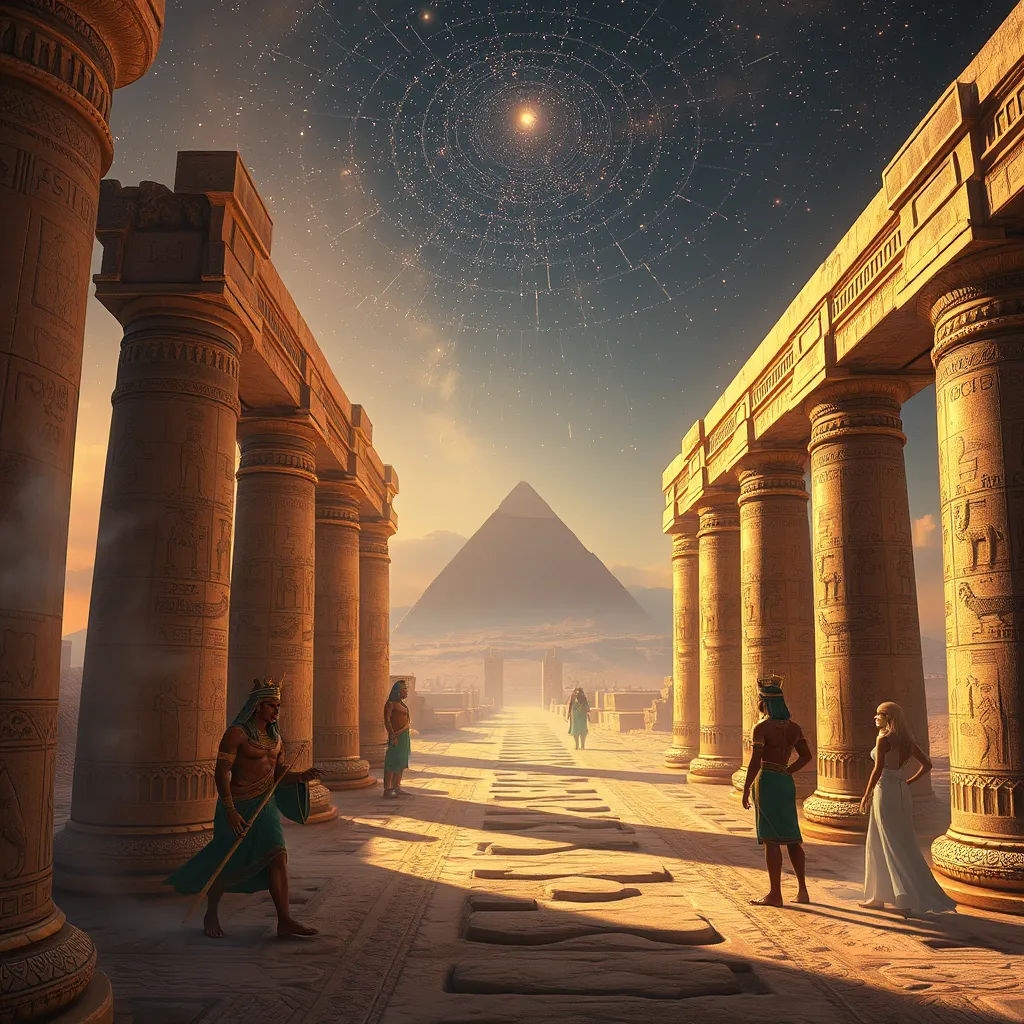
Echoes of Eternity: The Enduring Power of Egyptian Sacred Literature
I. Introduction
Egyptian sacred literature, a profound testament to the beliefs and values of ancient Egyptian civilization, encompasses a range of texts that have contributed significantly to our understanding of their culture, religion, and worldview. From sacred hymns to funerary texts, these writings reveal the complexities of life, death, and the divine. Their significance extends beyond antiquity, influencing modern literature, religious thought, and artistic expression.
The purpose of this article is to explore the historical context, major works, themes, linguistic features, and the lasting influence of Egyptian sacred literature, ultimately demonstrating its enduring power and relevance in both ancient and contemporary contexts.
II. Historical Context of Egyptian Sacred Literature
A. Origins and development through dynasties
Egyptian sacred literature began to take shape during the Early Dynastic Period (c. 3100–2686 BCE) and evolved significantly through the Old, Middle, and New Kingdoms. Initially inscribed on tomb walls and monuments, these texts were meant to serve the deceased in the afterlife and ensure their immortality.
B. Key texts and their roles in society
Throughout its history, several key texts emerged, each serving crucial roles in religious practices and societal norms:
- The Pyramid Texts: The oldest religious texts, inscribed in the walls of royal tombs, aimed to protect the pharaoh in the afterlife.
- The Coffin Texts: A collection of spells and prayers found in non-royal tombs, allowing common people to access the afterlife.
- The Book of the Dead: A guide for the deceased, containing spells and instructions for navigating the afterlife.
- The Hymns of Ancient Egypt: Poetic expressions of devotion and praise to the gods, reflecting the spiritual life of the society.
C. Influence of religion and mythology on literature
Egyptian literature was deeply intertwined with religion and mythology. The pantheon of gods and goddesses influenced the narratives, themes, and ethical lessons found in the texts. Myths such as the Osiris myth, which explores themes of death and resurrection, permeate the literature and shape the understanding of life and afterlife.
III. Major Works of Egyptian Sacred Literature
A. The Pyramid Texts
The Pyramid Texts, dating back to the Old Kingdom, are among the earliest examples of sacred literature. These texts, carved into the walls of pyramids, are a collection of spells designed to aid the pharaoh in his journey through the afterlife, ensuring his resurrection and protection from malevolent forces.
B. The Coffin Texts
Emerging in the Middle Kingdom, the Coffin Texts expanded access to spiritual knowledge beyond the royal class. These texts were inscribed on coffins and included spells that provided guidance and protection for the deceased, emphasizing the democratization of the afterlife.
C. The Book of the Dead
Developed from the Coffin Texts, the Book of the Dead became a crucial funerary text during the New Kingdom. It comprised a collection of spells, prayers, and illustrations designed to assist the deceased in navigating the afterlife. The famous “Weighing of the Heart” scene illustrates the moral judgment of the deceased, determining their fate in the afterlife.
D. The Hymns of Ancient Egypt
The Hymns of Ancient Egypt represent a rich tradition of poetic literature, celebrating the gods and the cosmos. These hymns express deep reverence and connection to the divine, often reflecting the beauty of nature and the cyclical patterns of life.
IV. Themes and Motifs in Egyptian Sacred Literature
A. Life, death, and the afterlife
Central to Egyptian sacred literature is the exploration of life, death, and the afterlife. The texts emphasize the importance of living a moral life to achieve a favorable judgment after death, reflecting the belief in an eternal existence beyond the mortal realm.
B. The divine and the human connection
The relationship between the divine and humanity is a recurring theme. Many texts illustrate how the gods interact with humans, offering guidance, protection, and sometimes retribution, reinforcing the belief in a world governed by divine forces.
C. Moral and ethical teachings
Egyptian sacred literature often includes moral and ethical teachings, encouraging virtues such as truth, justice, and compassion. These teachings were essential for maintaining social order and personal integrity.
V. Linguistic and Literary Features
A. Language and script evolution
The language of Egyptian sacred literature evolved from Old Egyptian to Coptic, reflecting changes in society and culture. Hieroglyphs, hieratic, and demotic scripts were used at different times, each contributing to the richness of the texts.
B. Poetic structures and rhetorical devices
Egyptian literature employs various poetic structures, including parallelism and repetition, to enhance the beauty and memorability of the texts. Rhetorical devices, such as metaphors and similes, enrich the narratives and convey complex ideas effectively.
C. Symbolism and imagery in sacred texts
Symbolism plays a vital role in Egyptian sacred literature. Common symbols, such as the ankh (symbol of life) and the scarab (symbol of rebirth), are prevalent, conveying deeper meanings and connecting the texts to the broader cultural context.
VI. The Influence of Egyptian Sacred Literature on Later Cultures
A. Impact on Greek and Roman literature
The influence of Egyptian sacred literature extended to Greek and Roman writers, who were fascinated by Egyptian myths and religious practices. The works of authors like Herodotus and Plutarch illustrate the integration of Egyptian themes into their narratives.
B. Relevance in religious texts of later traditions
Many concepts found in Egyptian sacred literature, particularly those related to the afterlife and moral judgment, resonate in later religious traditions, including Judaism, Christianity, and Islam, showcasing the enduring legacy of these ancient texts.
C. Influence on modern literature and pop culture
In modern times, Egyptian sacred literature continues to inspire writers, filmmakers, and artists. Themes of resurrection, morality, and divine-human relationships are prevalent in contemporary literature and popular culture, demonstrating the timelessness of these ancient ideas.
VII. Modern Interpretations and Revivals
A. Contemporary scholarship and translations
Modern scholarship has revitalized interest in Egyptian sacred literature, with numerous translations and analyses making these texts accessible to a broader audience. Scholars continue to explore their historical significance and cultural contexts, providing new insights into their meanings.
B. Adaptations in art, literature, and film
Adaptations of Egyptian sacred literature can be found across various media. Films, novels, and visual arts often draw upon the rich imagery and narratives of ancient Egypt, reflecting the ongoing fascination with its myths and spiritual teachings.
C. The role of Egyptian sacred literature in modern spirituality
For many, Egyptian sacred literature serves as a source of inspiration for spiritual practices. Contemporary interpretations of ancient texts encourage a deeper exploration of themes such as the afterlife and moral integrity, resonating with those seeking spiritual guidance.
VIII. Conclusion
A. Summary of key points
Egyptian sacred literature stands as a monumental achievement of human thought and expression. Through its historical context, major works, themes, and linguistic features, it offers profound insights into the ancient Egyptian worldview and its reflections on life, death, and divinity.
B. The lasting legacy of Egyptian sacred literature
The enduring power of these texts is evident in their influence on later cultures, religions, and modern interpretations. They continue to resonate with audiences today, bridging the gap between ancient wisdom and contemporary understanding.
C. Invitation for further exploration and study
As we delve deeper into the echoes of eternity found within Egyptian sacred literature, we discover not only the values and beliefs of an ancient civilization but also timeless truths that continue to speak to the human experience. The invitation is open for further exploration and study of these remarkable texts, enriching our understanding of both the past and present.